 Free shipping on orders over £29,85
  Shipping Tracking!


 Google
 Facebook
← Back to What are the differences between epoxy and polyurethane resin?
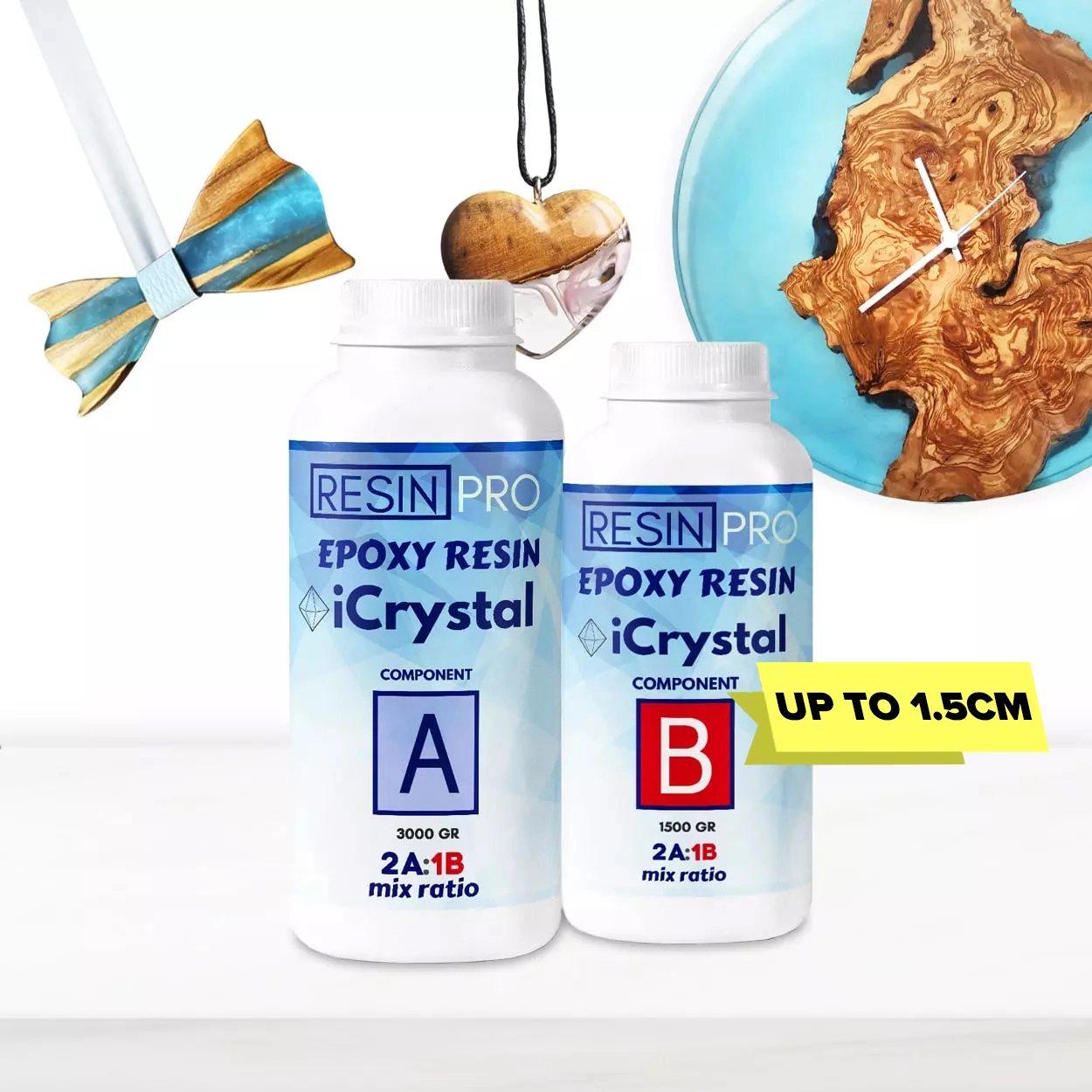
Epoxy and polyurethane resins serve distinct roles in the world of DIY, crafts, and manufacturing. Understanding their common applications can help you select the right material for your project, whether your focus is on strength, flexibility, or visual clarity.
Where Epoxy Resins Excel
Epoxy resins are renowned for their clarity, hardness, and excellent adhesion. These qualities make them a popular choice for woodworking, including protective table coatings and art pieces. If you need a scratch-resistant, glass-like surface for a countertop or creative project, an option like “Icrystal” Clear Epoxy Resin offers a crystal-clear, durable finish and is simple to mix and apply.
- Wood coating and restoration (e.g., furniture, counters)
- Jewellery and art casting
- Tabletops and high-wear surfaces
- Projects requiring a bubble-free, glossy appearance
When to Choose Polyurethane Resin
Polyurethane resins, by contrast, shine in flexible, outdoor, and abrasion-prone settings. They are well-suited for coatings that need to remain supple, such as domed stickers, badges, or labels that could be exposed to the elements. Products like “Be Flex” Polyurethane Doming Resin provide a flexible, UV-resistant coating that holds up well to scratching and outdoor conditions.
- Flexible domed labels, badges, and decals
- Outdoor coatings requiring UV and water resistance
- Applications where self-healing against minor scratches is beneficial
When This Matters
Your choice depends on what you need from a resin: opt for epoxy when clarity and surface hardness are priorities, especially for indoor furniture or artworks. Polyurethane is better for flexible, durable coatings in applications subject to bending, impact, or sustained outdoor exposure.
Related products
Related guides
Both epoxy and polyurethane resins have their own strengths, so matching the material to the intended use is key. For a broader look at their differences and more project ideas, see our main guide on epoxy vs polyurethane resins.