 Free shipping on orders over £29,85
  Shipping Tracking!


 Google
 Facebook
What are the differences between epoxy and polyurethane resin?
Explore essential differences to choose the right resin
When it comes to resin-based crafts, repairs, and decorative applications, understanding the key differences between epoxy and polyurethane resin is essential for achieving the desired results. Each resin type brings its own unique properties, making one more suitable than the other depending on your specific project—whether you’re designing river tables, restoring wood, making jewellery, or crafting weatherproof labels.
In this guide, we’ll cover how epoxy and polyurethane resins perform, the best uses for each, and which ResinPro products are tailored to your needs. Let’s explore the characteristics, strengths, and standout product examples from both materials so you can make an informed decision for your next project.
Epoxy Resin vs Polyurethane Resin: The Core Differences
Epoxy resins are prized for their superior clarity, high strength, long working times, and excellent adhesion to a variety of surfaces. They typically cure to a hard, glass-like finish, making them ideal for applications demanding durability and a premium shine.
In contrast, polyurethane resins are best known for their flexibility, abrasion resistance, and ability to withstand dynamic stresses and UV exposure without yellowing. They are often the resin of choice when a tough, elastic finish or long-term outdoor resistance is needed.
Let’s delve into a side-by-side comparison, highlighting recommended products for each category.
Comparison Overview
| Feature | Epoxy Resin | Polyurethane Resin |
|---|---|---|
| Clarity & Gloss | Exceptional – see products like “Icrystal” – Clear Epoxy Resin – Odourless Formula – Up to 1.5cm | High clarity but more elastic finish, e.g. “Be Flex” – Transparent Polyurethane Doming Resin – Scratch-Resistant |
| Mixing Ratio | Varies (1:1, 2:1, etc.) – easy options like “One-2-One” – Epoxy Resin for Handcraft, 1:1 Mixing Ratio | Typically simple 1:1, designed for easy doming |
| Flexibility | Rigid to semi-flexible, e.g. “EpoxyWood” – Wood Restoration Epoxy Resin | Highly flexible and self-healing, see “Be Flex” Polyurethane Doming Resin |
| Cure Speed | Standard or fast, e.g. “ICreation” – Fast Epoxy Resin, 6h Demoulding | Generally fast, often demouldable within 24 hours |
| Best Use Cases | Jewellery, tables, wood restoration, artwork | Labels, stickers, jewellery doming, flexible finishes |
Now let’s look deeper at the featured products that best illustrate these core differences.

See Epoxy and Polyurethane in Action
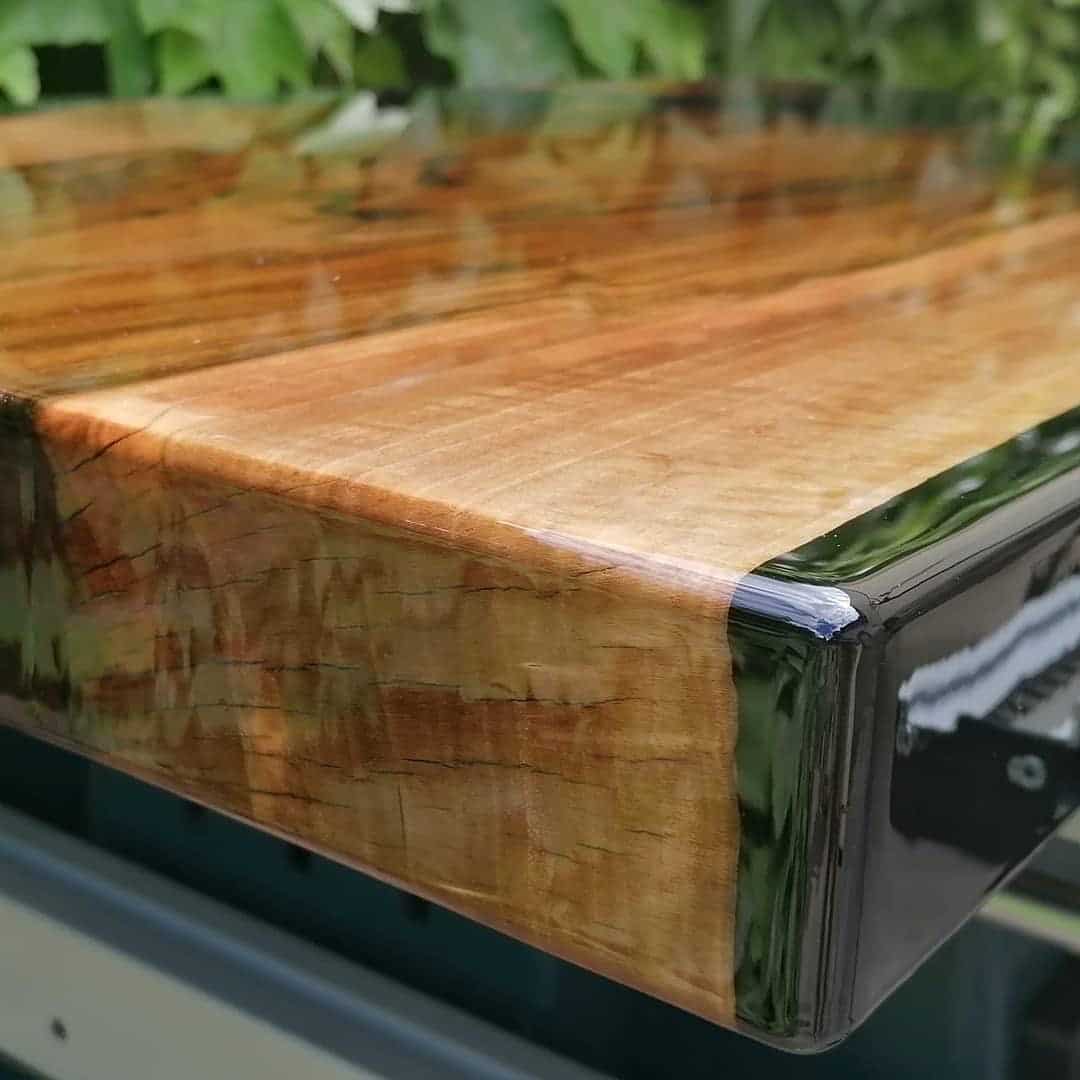
Explore real-world results of epoxy and polyurethane resins in our project gallery, featuring river tables, restored wood, domed labels, and jewellery. Notice the clarity, gloss, and flexibility that distinguish each resin type. Find inspiration for your own creations.
Top Epoxy Resin Products for Superior Strength, Clarity, and Versatility
Epoxy resins offer clarity, strength, and a range of viscosities to suit everything from artistic crafts to robust furniture restoration. Consider these products for your next project:
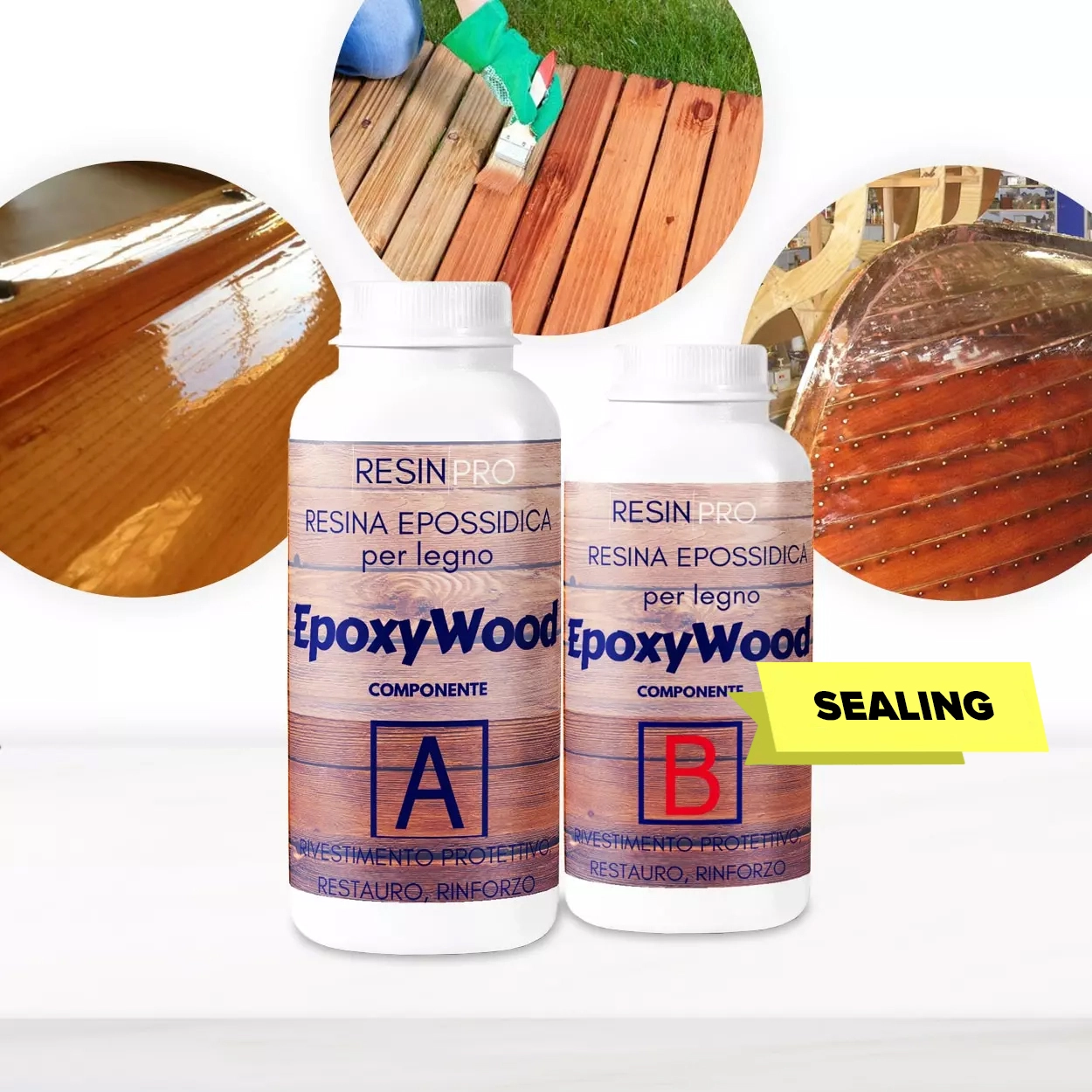
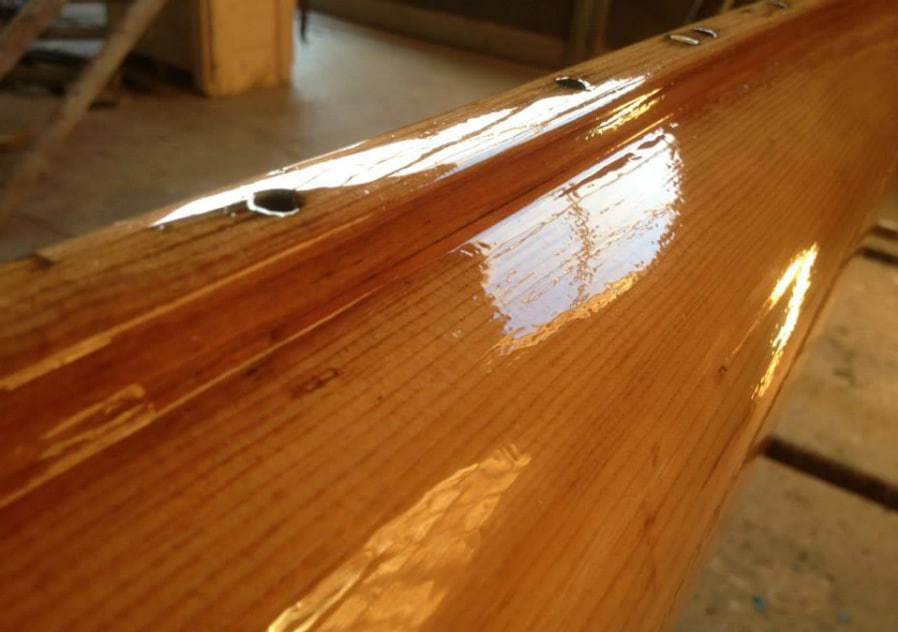
- “EpoxyWood” – Wood Restoration Epoxy Resin for Deep Penetration and Waterproofing excels at reinforcing and sealing wood, fibreglass, and metal thanks to its ultra-low viscosity. This formula deeply penetrates wood pores, creating a completely waterproof finish with a beautiful, warm straw-yellow tint.
- “Epoxytable 10-Ten” – Deep Pour Epoxy Resin for Tables, Up to 10cm Casting is the the best choice for super-deep pouring up to 10cm, ideal for large surfaces such as river tables. Its low exothermic reaction and strong UV resistance keep your artwork safe from yellowing and overheating, even on big pours.
- “Icrystal” – Clear Epoxy Resin – Odourless Formula – Up to 1.5cm is loved for perfect transparency, odourless application, and easy 2:1 mixing. Suitable for both surface coatings and decorative castings, it’s a go-to for woodworking and art.
- “One-2-One” – Epoxy Resin for Handcraft, 1:1 Mixing Ratio stands out for its non-toxic formulation, straightforward 1:1 mixing, and crystal clear, super-glossy finish. This makes it especially beginner-friendly for jewellery and cabochon work.
- “ICreation” – Fast Epoxy Resin, 6h Demoulding, Transparent Gloss Finish is perfect for rapid results, with super-fast catalysis, a stunning, glossy finish, and simplified mixing for time-sensitive art and crafts.
Browse more multipurpose epoxy resins and resins for jewellery on our site.
Spotlight on Polyurethane Resin: Flexibility and Scratch-Resistance for Doming
Polyurethane resin offers unique advantages for situations where flexibility, scratch resistance, and UV stability are critical. Its ability to form a 3D, self-healing dome on labels and stickers makes it a popular choice for commercial, outdoor, and creative applications. The standout option at ResinPro is:
- “Be Flex” – Transparent Polyurethane Doming Resin – Scratch-Resistant produces a flexible, transparent finish tailored for badges, curved surfaces, and premium product labelling. Not only is it scratch and abrasion resistant with self-healing abilities, but it also provides a waterproof, non-yellowing, and UV resistant finish. Easy to apply, thermally resistant, and cruelty free, it empowers intricate designs with a glossy, professional touch.
If your application is subject to repeated handling, outdoor wear, or needs to keep its clarity and flexibility for years, polyurethane resin is your answer.
Application Tips for Both Resin Types
For epoxy resins, always follow mixing instructions, pour in dry conditions, and allow time for bubbles to release. For polyurethane applications, ensure surfaces are clean, apply at room temperature, and avoid touching until fully cured for a flawless finish. Our product guides provide tailored advice for every project.
Which Resin Should You Choose for Your Project?
The decision between epoxy and polyurethane resin largely depends on your unique project requirements:
If you require rigid strength, high clarity, or deep casting, epoxy resin products like “Epoxytable 10-Ten” Deep Pour Epoxy Resin or “Icrystal” – Clear Epoxy Resin are ideal. For fast crafting, consider ICreation Fast Epoxy Resin. Woodworkers seeking robust waterproofing should choose EpoxyWood.
On the other hand, if your main priority is flexibility, UV resistance, or scratch-resistant doming, then a polyurethane resin like Be Flex will deliver long-lasting, flexible performance and a pristine appearance under demanding conditions.
Find more options in our resins for tables and surfaces finishes catalogue.
- "EpoxyWood" – Wood Restoration Epoxy Resin for Deep Penetration and WaterproofingOriginal price was: £64.00.£39.85Current price is: £39.85."EpoxyWood" is designed for wood restoration with deep penetration and waterproofing using an ultra-low viscosity epoxy formula.
- “Epoxytable 10-Ten” – Deep Pour Epoxy Resin for Tables, Up to 10cm CastingPrice range: £33.85 through £334.85“Epoxytable 10-Ten” is an epoxy resin suitable for deep pouring up to 10cm, designed for tables and artistic projects within the theme.
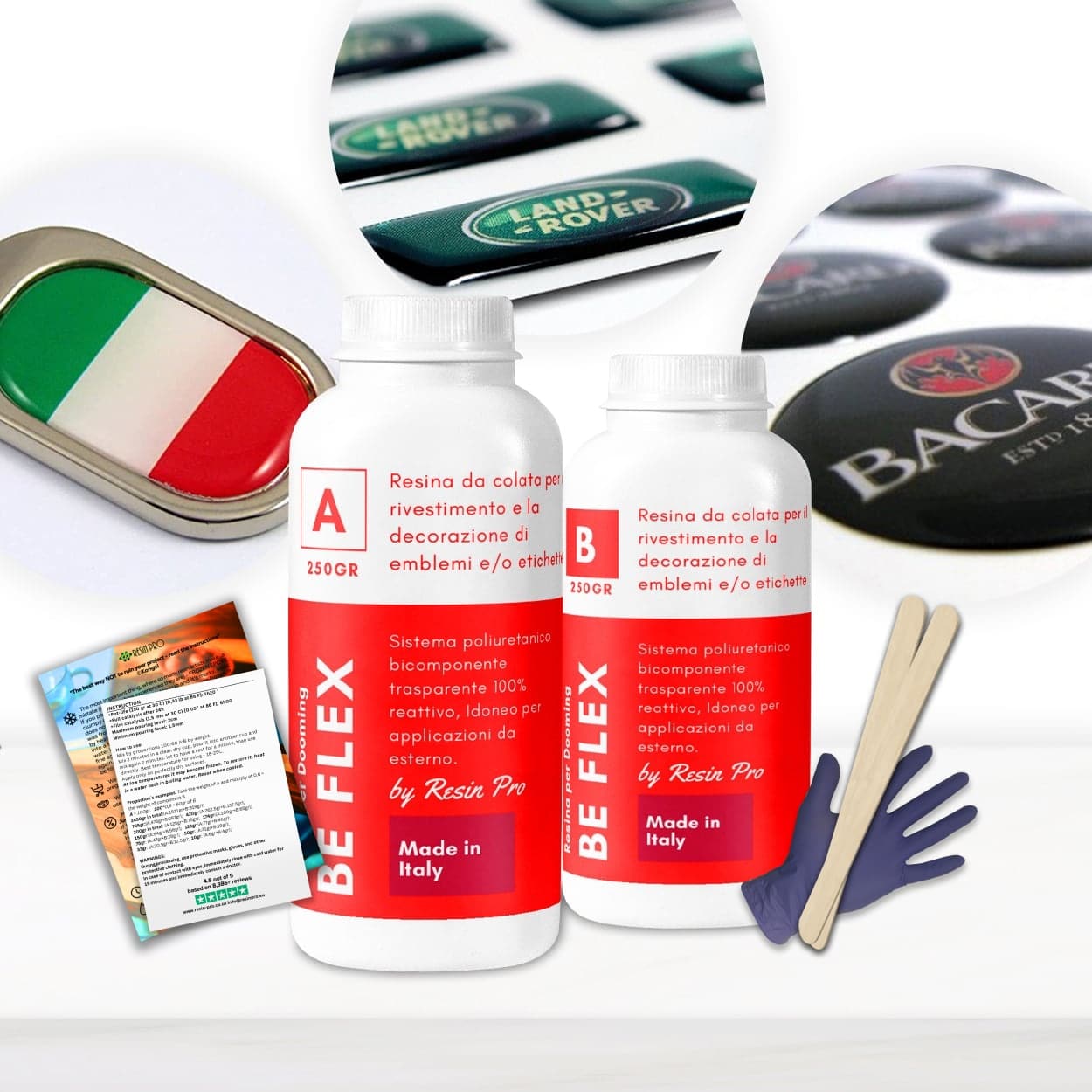 "Be Flex" – Transparent Polyurethane Doming Resin – Scratch-ResistantPrice range: £21.85 through £77.85Be Flex is a transparent, flexible polyurethane resin suitable for labels and badges, offering a scratch-resistant, durable finish.
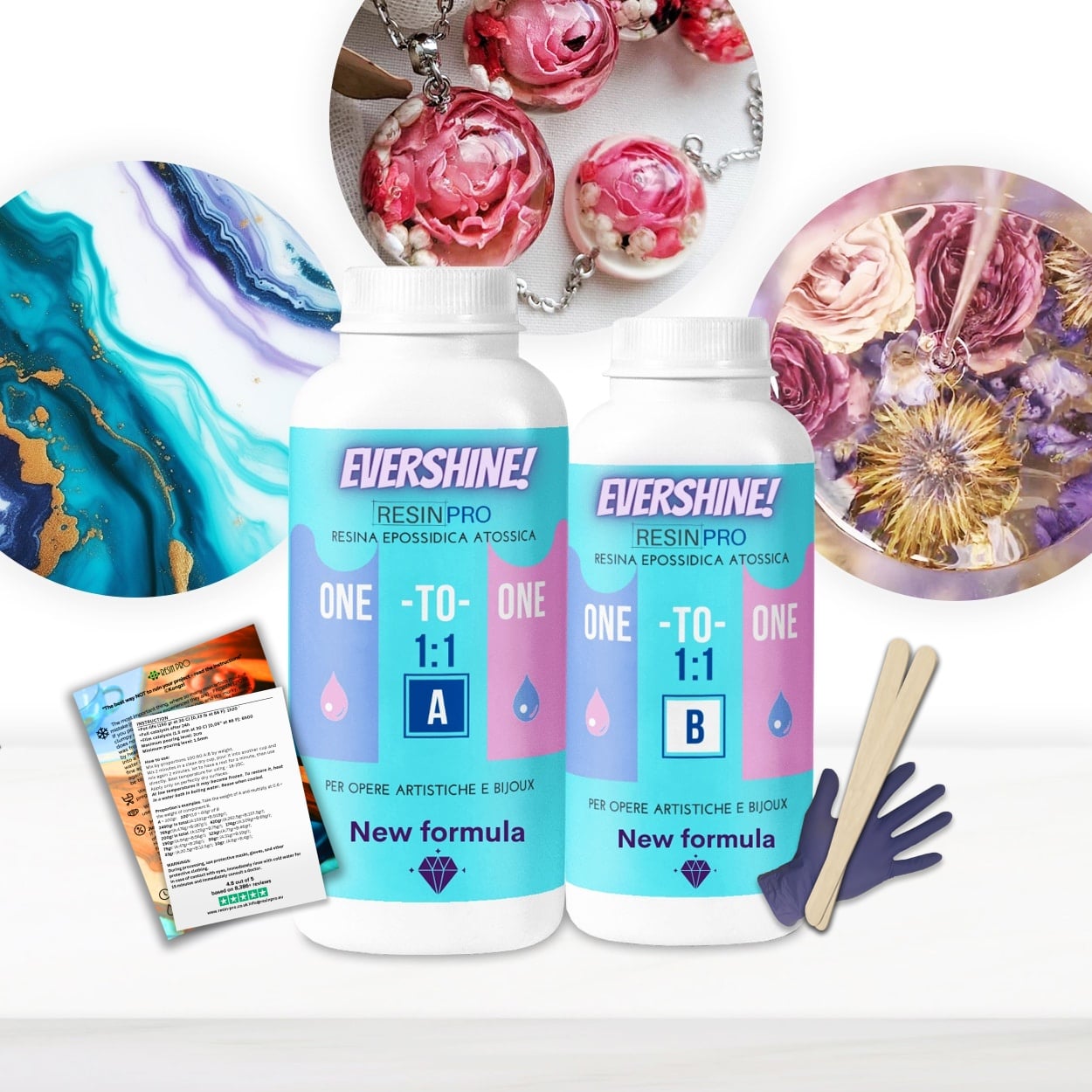 "One-2-One" – Epoxy Resin for Handcraft, 1:1 Mixing RatioPrice range: £14.85 through £56.85"One-2-One" epoxy resin offers a medium viscosity and clear finish, suitable for beginners and crafters in decorative projects.
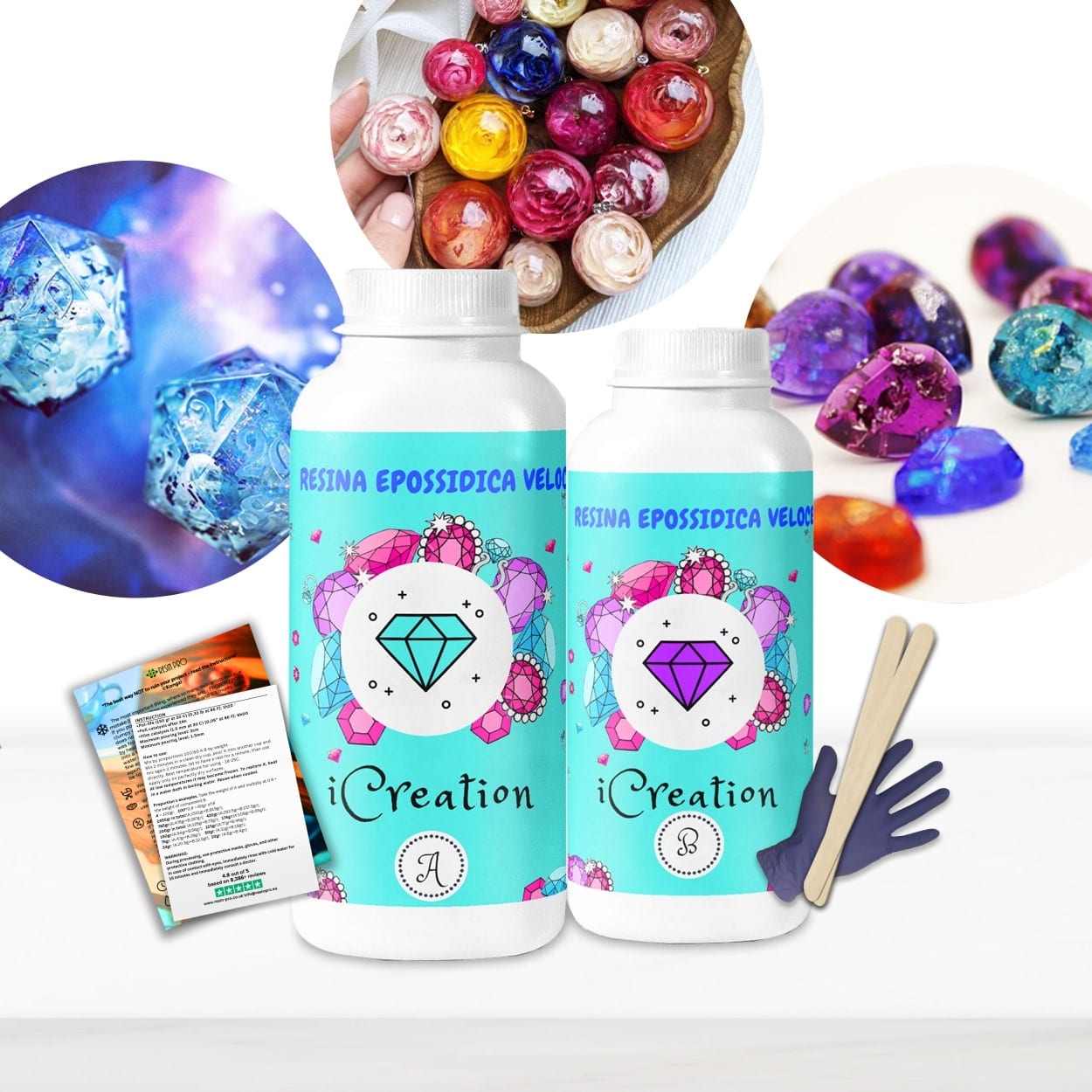 "ICreation" – Fast Epoxy Resin, 6h Demoulding, Transparent Gloss FinishPrice range: £19.40 through £52.85ICREATION fast epoxy resin offers super-fast catalysis and a clear, glossy finish suitable for artists and crafters.
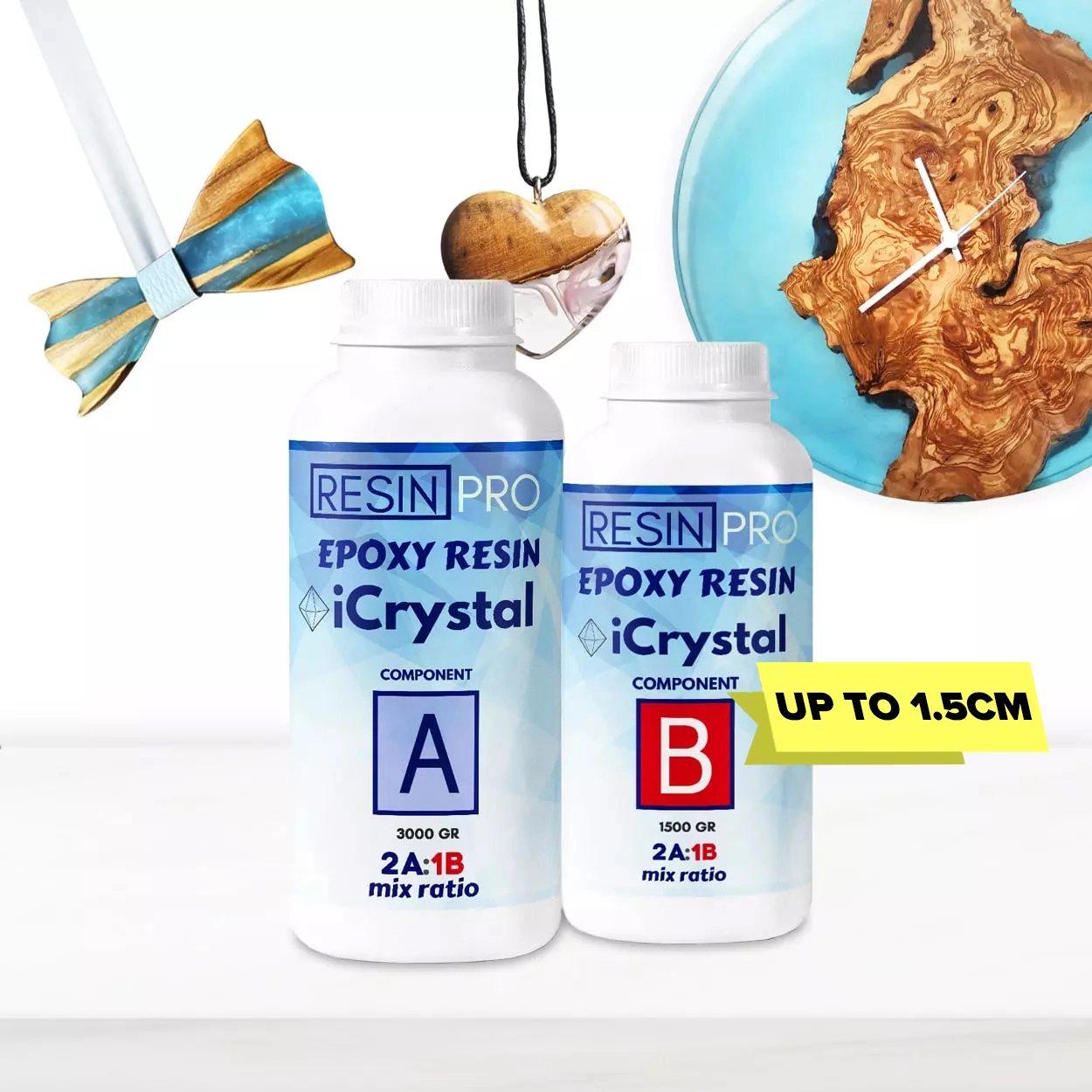 "Icrystal" – Clear Epoxy Resin – Odourless Formula – Up to 1.5cmPrice range: £11.65 through £954.85"Icrystal" Clear Epoxy Resin is suitable for craft and artistic creations, offering perfect transparency and high scratch resistance.
Frequently Asked Questions
What type of resin is suitable for restoring external wood?
EpoxyWood is designed to seal and reinforce dry wood surfaces, making it suitable for restoring external wood.
What thickness of casting is “Epoxytable 10-Ten” designed for?
It is designed for deep pour applications with casting thicknesses up to 10cm.
Is the resin suitable for large surface areas?
For project sides over 100cm or pouring weights more than 8kg, it is recommended to cast in multiple layers with waiting periods.
Which resin type is suitable for flexible, UV-resistant coatings on labels and badges?
Polyurethane resin like Be Flex is suitable due to its flexibility, UV resistance, and non-yellowing properties suitable for doming applications.
Can polyurethane resin prevent yellowing over years of outdoor exposure?
Be Flex polyurethane resin provides non-yellowing performance with UV protection to maintain clarity for years outdoors.
What are the main differences between Art Pro and One-2-One resins?
Art Pro has a more viscous mixture with a 3:2 weight ratio and results in a harder surface after curing. One-2-One is less viscous with a 1:1 volume mixing ratio and provides a glossier finish when cured.
Are your resins mixed by weight or volume?
Most resins are mixed by weight, but One-2-One resin is mixed 1:1 by volume.
What is the fastest epoxy resin for quick demoulding?
ICreation fast epoxy resin allows demoulding in 5 to 6 hours and reaches full curing within 12 to 24 hours.
Are epoxy resins safe to use indoors?
This epoxy resin is odourless and VOC-free, making it comfortable for indoor use, although standard safety precautions such as gloves and ventilation are recommended.
What are typical uses of epoxy resins compared to polyurethane resins?
Epoxy resins like this product are commonly used for woodworking, coatings, and artistic projects, offering clarity and scratch resistance. Polyurethane resins generally have different properties and applications.