 Free shipping on orders over £29,85
  Shipping Tracking!


 Google
 Facebook
← Back to Who sells epoxy resin?
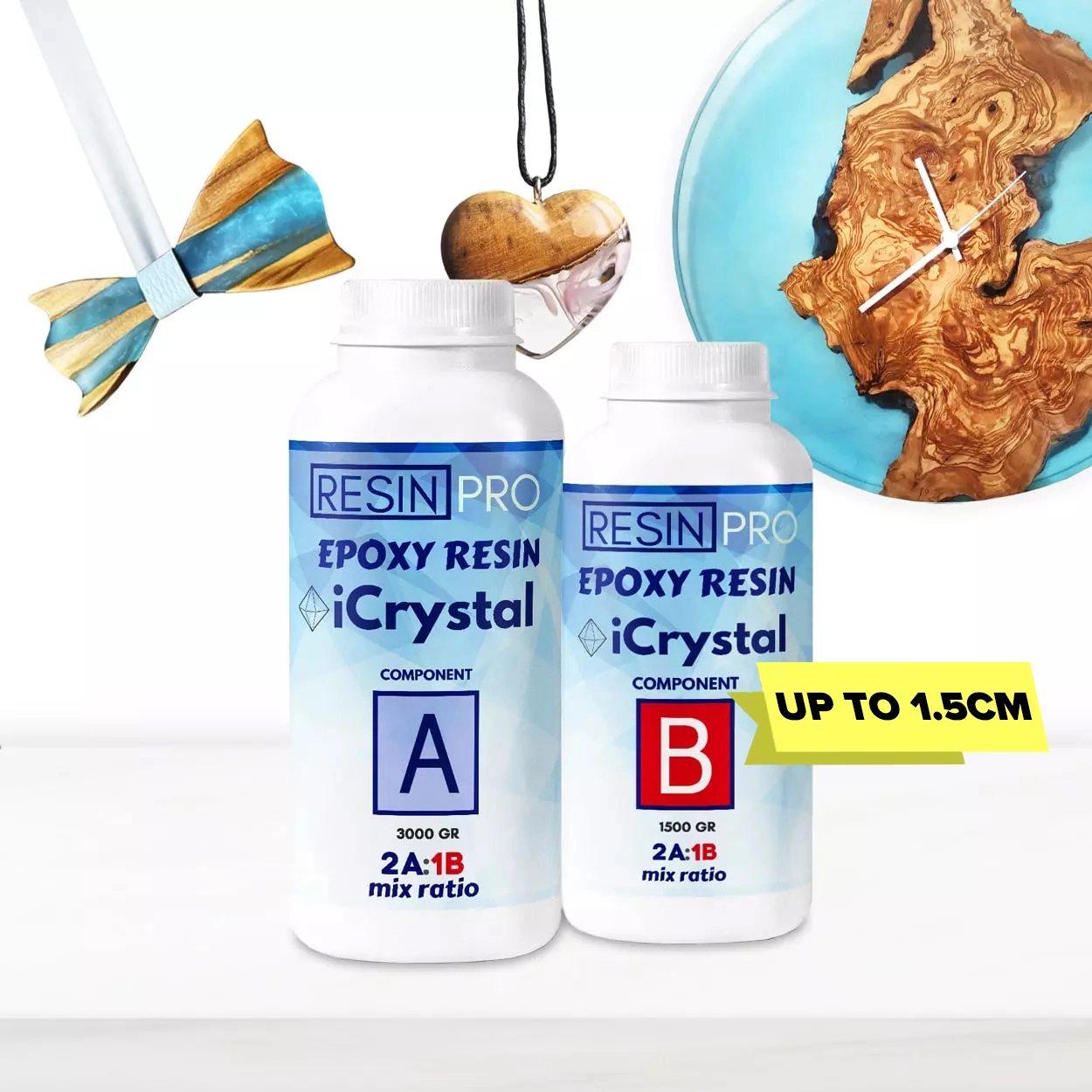
Not all epoxy resins cure at the same speed. The formula, project dimensions, and your working environment all shape how quickly your resin sets and becomes fully usable.
What Influences Epoxy Resin Cure Times?
Cure times vary significantly between epoxy resins. Each formula is balanced for a particular use, from thin artistic coatings to deep, large castings. For example, “Icrystal” epoxy resin is designed for layers up to 1.5cm and sets within a time frame suited for surface coatings. In contrast, deep-pour options—such as those for river tables—take longer to cure as they’re engineered to minimise heat build-up during thick application. Ambient factors such as temperature and humidity also impact resin behaviour; higher temperatures often accelerate curing, while cooler conditions can lengthen the process.
Choosing the Right Resin for Your Project
Always check the manufacturer’s guidelines for both working and full cure times before starting your project. If you’re coating jewellery, art pieces, or tabletops, a quick-curing formula like Art Pro is suited for thin applications and efficient turnaround. For clear castings up to 2cm, “Trasparente” offers manageable pour depths with predictable curing, avoiding overheating. Deep pours require specialised formulas to ensure a safe, slow cure that prevents cracking and warping. Matching your resin’s cure time to your needs helps avoid stress and ensures the best possible finish.
When Cure Time Differences Matter Most
- Tight deadlines: Choose faster-curing resins when your project schedule is limited.
- Layer thickness: Deeper pours demand slower-curing mixes to handle the heat safely.
- Complex designs: Extended working times give you more flexibility to perfect your artwork or assembly.
Related products
Related guides
Understanding epoxy resin cure times is key for project planning and success. For more guidance on choosing quality epoxy resins and trusted suppliers, see our full hub: Who Sells Epoxy Resin?