 Free shipping on orders over £29,85
  Shipping Tracking!


 Google
 Facebook
← Back to What kind of material is resin for statues?
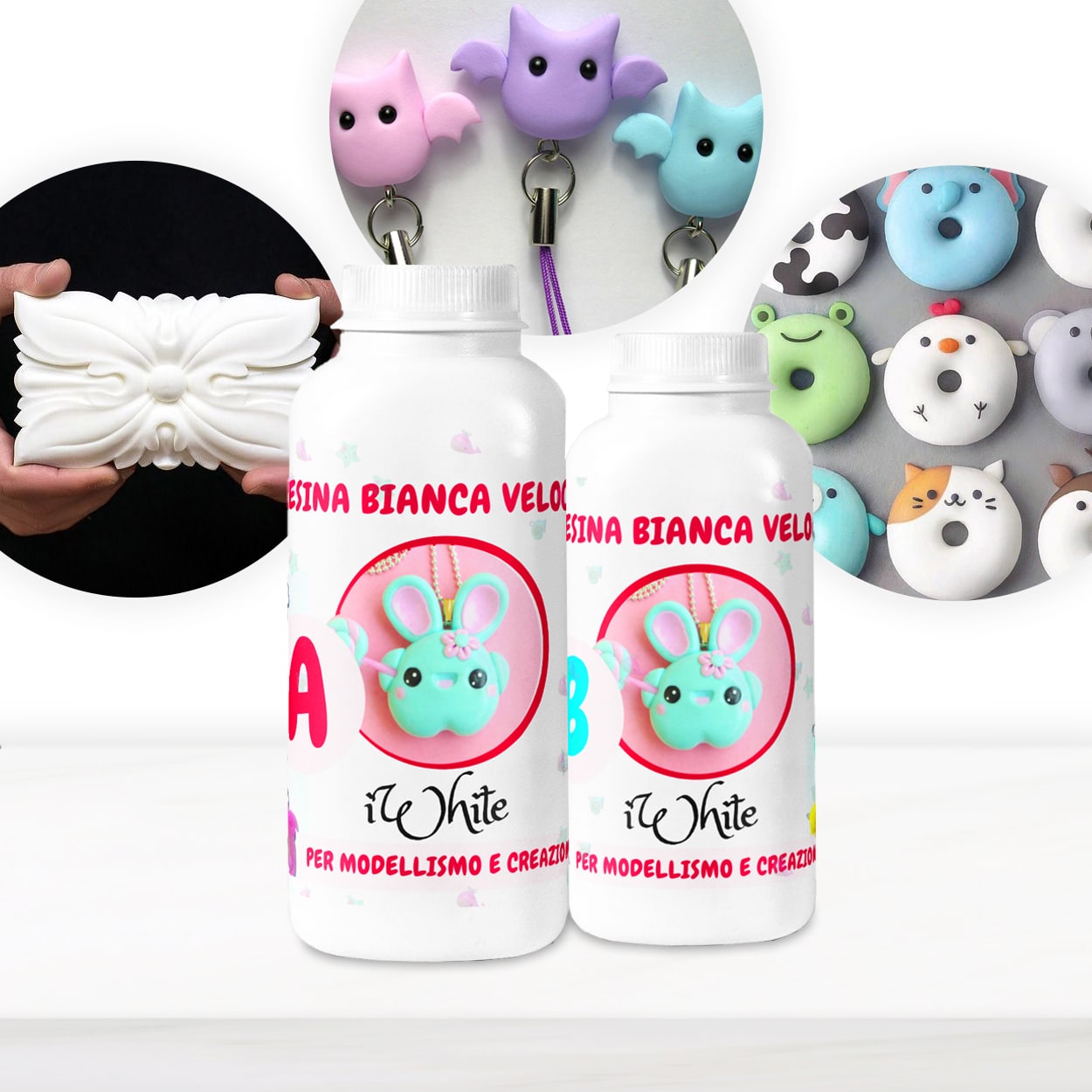
Resin statue casting offers endless potential, but achieving crisp, reliable results requires careful attention during each stage. Avoiding a few common pitfalls can make the difference between a successful cast and a disappointing outcome.
Common Pitfalls to Watch For
One of the most frequent mistakes is choosing a resin unsuited to your mould’s level of complexity. For finely detailed or intricate forms, opt for a highly fluid resin such as “IWhite” – Polyurethane Casting Resin, which effortlessly fills tricky spaces. Other typical issues include failing to thoroughly mix the resin and hardener, which can lead to soft spots or incomplete curing. Demoulding the statue too soon—before the resin has set fully—also risks distortion or surface defects. Lastly, pay close attention to the recommended working temperature and curing guidelines, as temperature extremes can lead to cloudiness or poor results.
Practical Guidance for Better Results
Always consult and follow the manufacturer’s instructions for your chosen resin. Mix the components precisely by weight or volume, and stir slowly but thoroughly to minimise bubbles. Before casting, ensure the workspace and moulds are clean and dry, and avoid working in environments that are too cold or hot for the resin’s requirements. For larger or deeper castings, select products designed for the task—mineral resins and specialised deep-pour epoxies each have their unique strengths. When using fast-curing resins, be prepared to work quickly and have all tools ready to avoid rushing at the last stage.
When This Matters Most
Attention to these details is especially important for statues with delicate features, undercuts, or custom finishes where surface quality is crucial. Those making items as display pieces or gifts will also benefit from taking extra care to prevent imperfections that compromise the final look.
Related products
Related guides
By steering clear of these typical casting mistakes, you’ll achieve more consistent results and truly bring out the unique qualities of your chosen resin. For a deeper understanding of the materials themselves, visit our guide on what kind of material is resin for statues.