 Free shipping on orders over £29,85
  Shipping Tracking!


 Google
 Facebook
← Back to What type of silicone rubber is used?
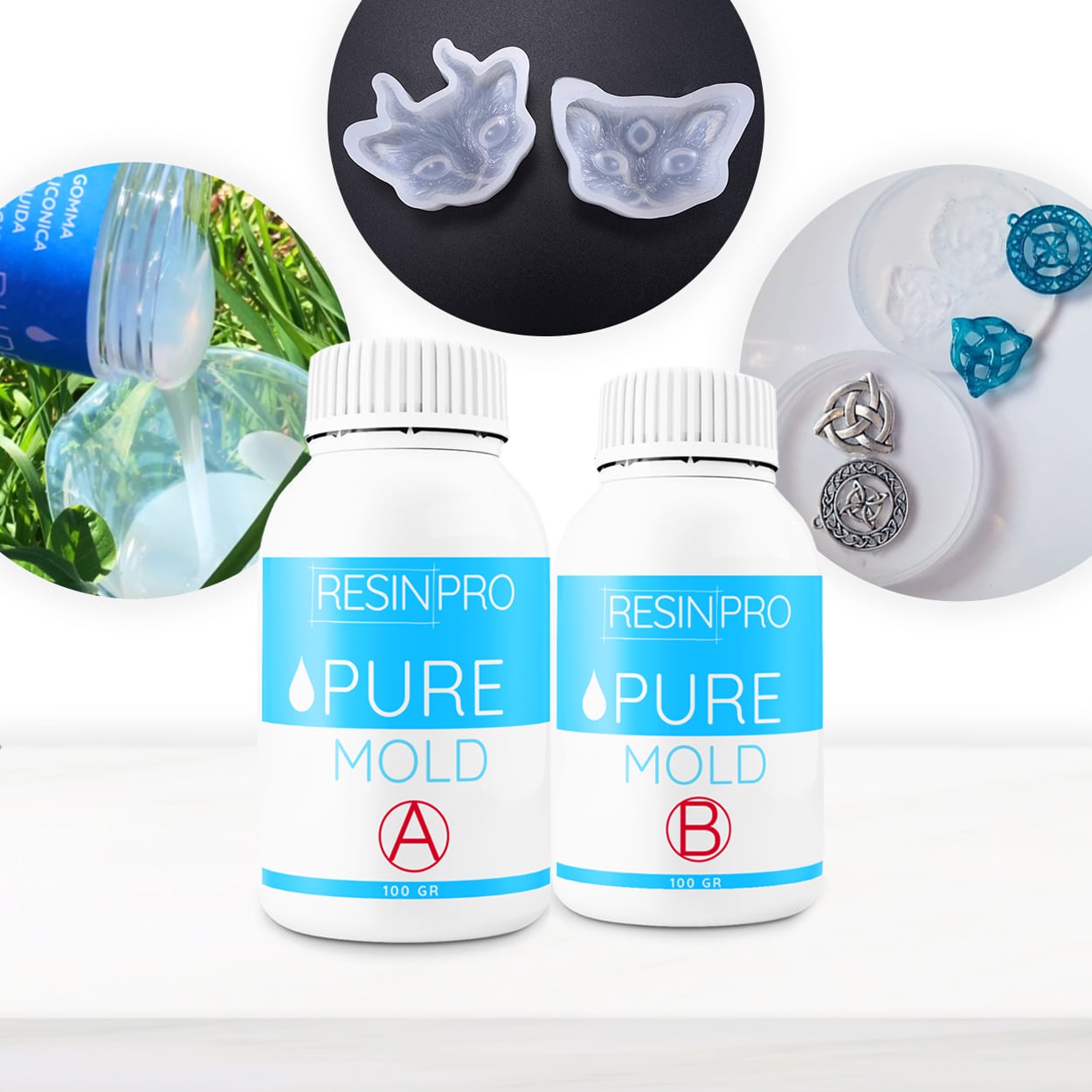
If you’re considering making moulds for food items, choosing the right silicone rubber is essential for safety. Not all silicones are created equally—some are suitable for culinary use, others are not.
What Makes a Silicone Rubber Food-Safe?
To be considered food-safe, a silicone rubber must be explicitly certified for contact with food. This typically involves passing regulatory standards for non-toxicity and ensuring no harmful substances will migrate from the mould to edible products. Always check the product’s certification or supporting documentation—labels such as “non-toxic” do not always guarantee food safety, as they may only indicate suitability for craft or industrial purposes.
How to Choose the Right Silicone for Culinary Moulds
When shopping for silicone rubber for kitchen or patisserie use, confirm that the product lists food safety certification before making a purchase. For example, products like the “Pure Mould” Translucent Liquid Silicone Rubber offer general non-toxicity assurance, but you should always request or review specific food contact certification if you plan to use them with edible materials. Manufacturers’ instructions will outline safe preparation and usage—never skip these steps.
When Food Safety Matters Most
- Baking and chocolate work: Only use certified silicone for direct contact with food.
- Moulding non-edible items: Food safety is less critical, but low odour and non-toxicity may still be beneficial.
Related products
Related guides
Whether you’re crafting pâtisserie moulds or creating decorative resin pieces, understanding which silicone rubbers are safe for food contact is key. For more guidance on selecting the right silicone type, refer to the main what type of silicone rubber is used page.