 Free shipping on orders over £29,85
  Shipping Tracking!


 Google
 Facebook
← Back to How do you apply liquid resin on plastic?
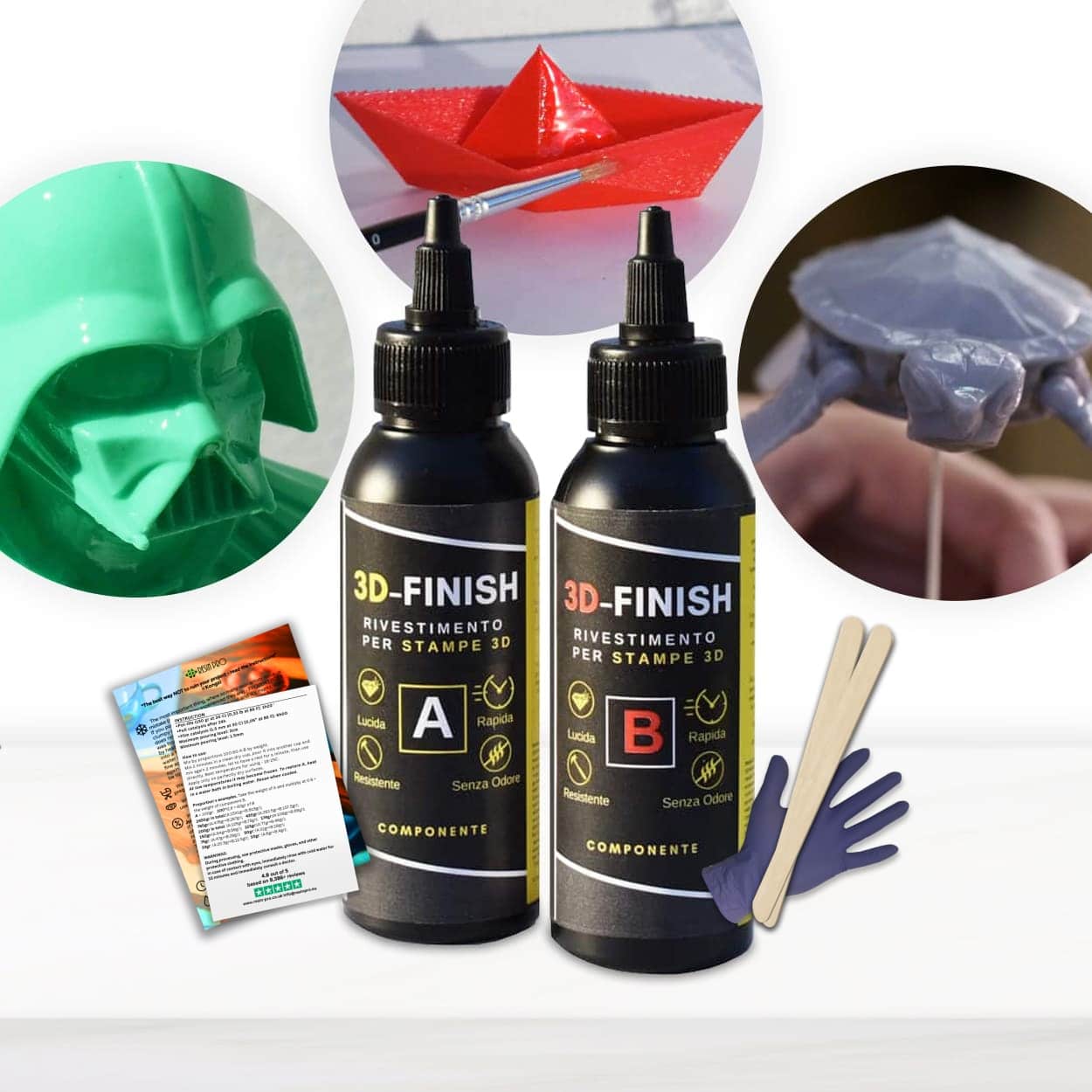
When finishing plastic surfaces with liquid resin, working in thin layers is key to achieving a smooth, durable coating—especially for 3D prints or detail-rich models. This guide explains why thin applications deliver better results and how to put this practice into action.
Benefits of Thin Layer Application
Applying resin in thin layers helps prevent common pitfalls such as uneven coverage, trapped air bubbles, or sagging. Thin coats encourage gradual build-up, which is especially important for preserving the fine details of plastic items like PLA and ABS 3D prints. Each layer cures more reliably, reducing the risk of tacky spots or runs.
Techniques for a Flawless Finish
Use tools designed for even spreading, like the Tooth Shaped Spatula for Epoxy Resin Application, to achieve a consistent, controlled coat across flat or curved surfaces. Allow each layer to fully cure before applying the next. For the best adhesion and finish, choose a resin formulated for plastic such as the 3D Finish Fast Coating Epoxy Resin, which is especially suited for detail preservation and smooth, non-drip results.
Practical Guidance
- Always clean and degrease your plastic thoroughly before beginning to ensure strong adhesion.
- Pour or brush minimal resin at a time, spreading it thinly and evenly.
- To remove trapped bubbles before curing, lightly mist the surface with a spritz of isopropyl alcohol.
- Once the first layer is solid and no longer tacky, repeat the process for additional layers as required.
When Working in Thin Layers Matters
Thin layering is especially vital for projects where fine detail and a clean surface are priorities, such as model finishing or repairs on intricate 3D prints. This approach safeguards against flooding subtle features or causing defects that are difficult to fix later.
Related products
Related guides
Mastering the technique of working in thin layers transforms the look and longevity of resin-coated plastics. For a deeper guide to resin application on plastic, explore our main resources at How do you apply liquid resin on plastic?.