 Free shipping on orders over £29,85
  Shipping Tracking!


 Google
 Facebook
← Back to How do you pour resin?
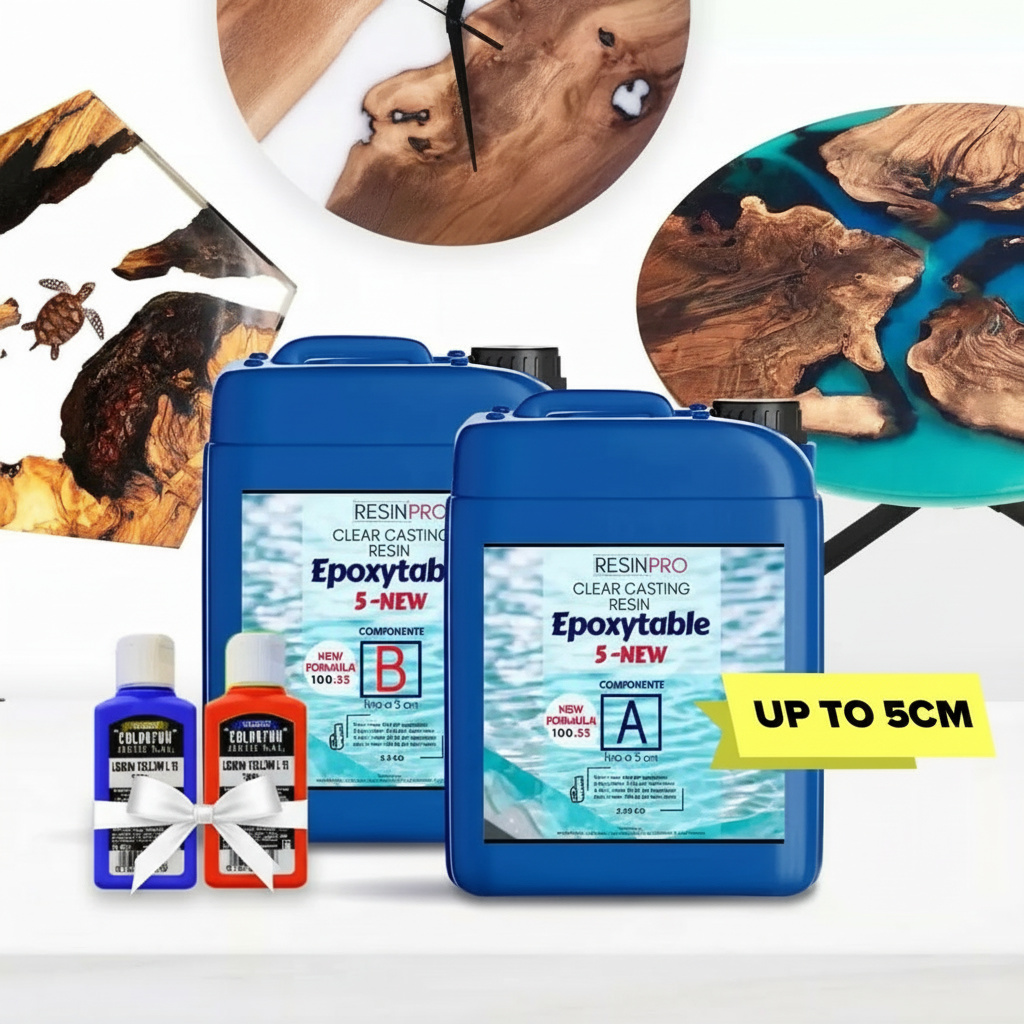
If you’re considering working on a deep resin project, such as a river table or large casting, pouring your resin in multiple layers is often the best method to ensure optimal results. This approach controls curing heat and helps achieve a flawless finish.
Why Should Resin Be Layered for Deep Pours?
Pouring resin in thick, single layers increases the risk of excessive heat (exothermic reaction) during curing, which may lead to clouding, cracks, or other imperfections. Layering resin allows each stage to cure safely and evenly, supporting greater project depth without sacrificing clarity or bond strength.
- Reduces risk of overheating
- Improves clarity and quality
- Minimises bubbles and defects
Step-by-Step Guide to Layered Resin Pours
Begin by selecting an appropriate deep pour resin, such as EpoxyTable 5-Five for layers up to 5cm, or “Epoxytable 10-Ten” for extra-thick castings. Mix each batch according to the manufacturer’s ratios, and pour one layer at a time up to the recommended thickness (typically up to 5–10cm depending on the product). After each pour, wait for the resin to partially cure—usually 6–8 hours—before adding the next layer. This lets the layers bond effectively and keeps the working temperature in check.
When Layered Pouring Makes Sense
Choosing to pour in multiple layers is especially vital for:
- River tables or thick table tops
- Large or heavy castings exceeding resin’s per-pour limits
- Projects requiring superior optical clarity
Attempting a single, extra-thick resin pour can compromise your project and waste materials, so careful planning and patience are rewarded.
Related products
Related guides
Safe and effective layering is the secret to deep, impressive resin creations. For more advice on every step of the resin process, explore our main guide on how to pour resin.