 Free shipping on orders over £29,85
  Shipping Tracking!


 Google
 Facebook
← Back to How to measure resin and catalyst
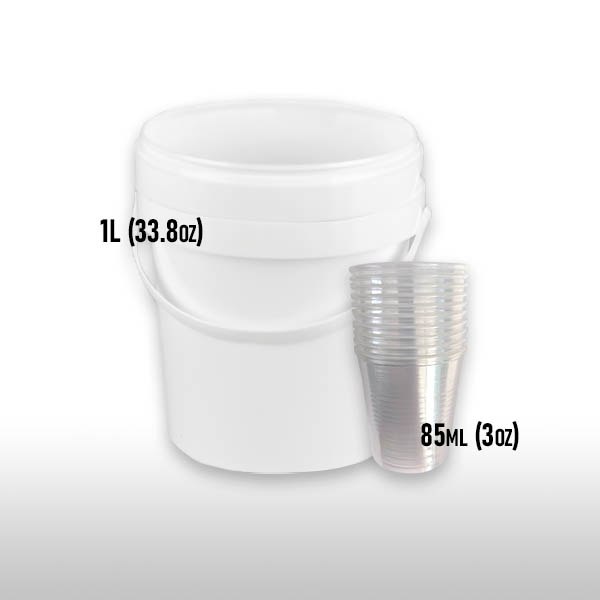
Thorough cleaning of reusable measuring and mixing tools is key to maintaining accuracy and extending the life of your resin equipment. Choosing the right cleaning method saves both tools and time on your next project.
Cleaning Techniques for Resin Tools
It’s best to clean tools and containers straight after use, before resin or catalyst residues have time to cure. Wipe off as much uncured resin as possible with paper towels, then rinse immediately using a suitable solvent recommended for your specific resin. For water-based resins, warm soapy water may be effective, but for epoxy or polyester resins, consider acetone or a dedicated cleaning solution, always used in accordance with safety guidance.
Non-Stick Solutions for Easy Removal
Many crafters prefer mixing buckets with flexible, non-stick walls. Once the resin has completely cured, simply flex or squeeze the bucket and the hardened residue peels away, leaving the container ready for reuse. This method helps minimise solvent use and simplifies the clean-up, especially for larger batches or recurring projects.
When This Matters Most
Proper cleaning is critical when working on projects that demand precise formulation or a flawless surface finish. Residues from previous mixes may affect performance or cause colour and clarity issues in your new batch. Regular maintenance ensures reliable measurements and prevents unwanted contamination.
Related products
Related guides
Keeping your measuring and mixing tools clean supports both accuracy and convenience in your resin work. To find reliable, reusable tools or more resin advice, explore our main guide on how to measure resin and catalyst.