 Free shipping on orders over £29,85
  Shipping Tracking!


 Google
 Facebook
How to age resin statues
Techniques for creating lifelike patina and aged details
Giving your resin statues an aged, weathered appearance can transform them into eye-catching features for your home or garden. Whether you want to achieve vintage patina, simulate natural wear, or add unique character for artistic projects, ageing resin statues is a rewarding way to personalise your creations. This guide covers effective methods for creating antique finishes, tips for achieving realistic results, and essential steps to ensure your statues retain their beauty over time.
What You’ll Need
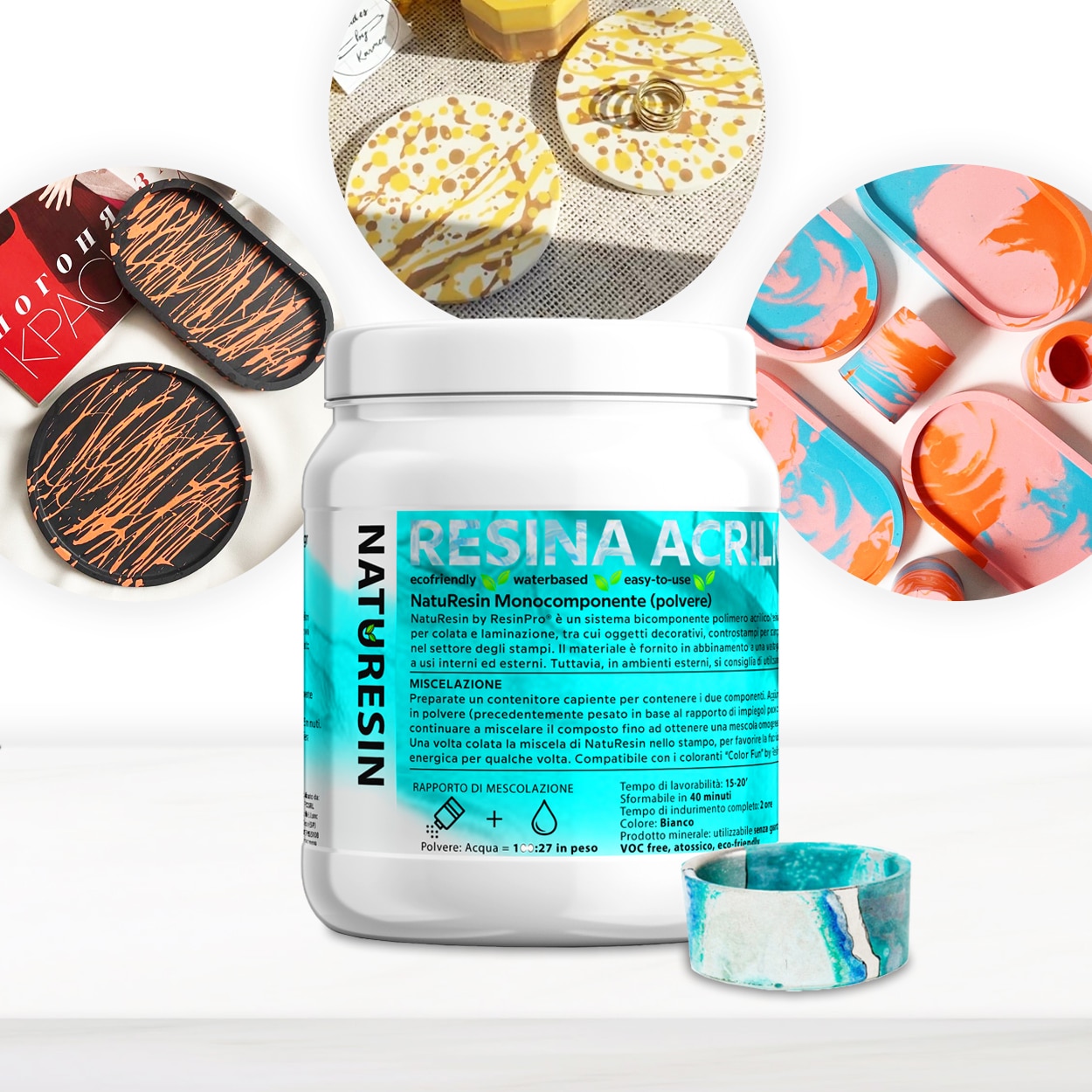
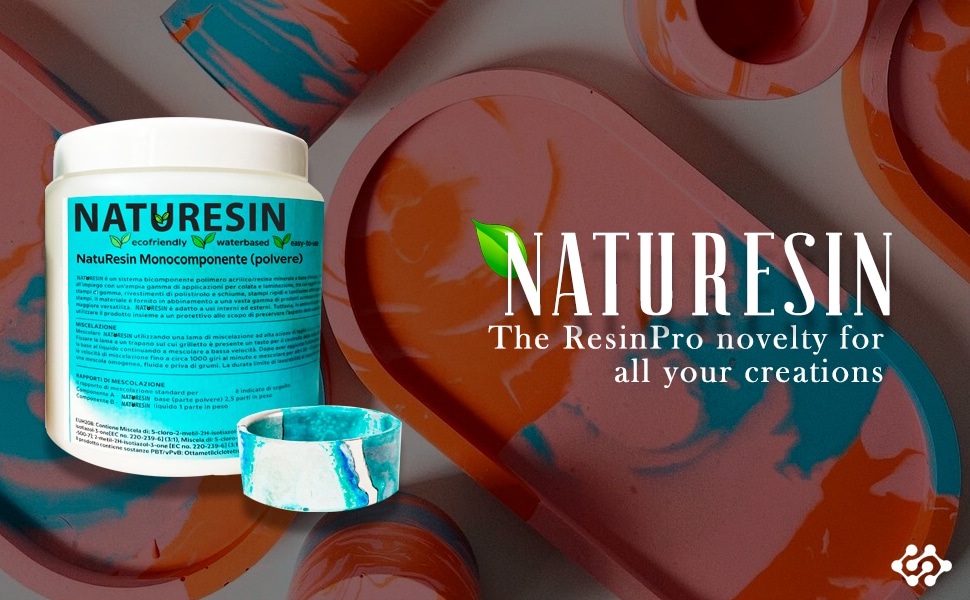
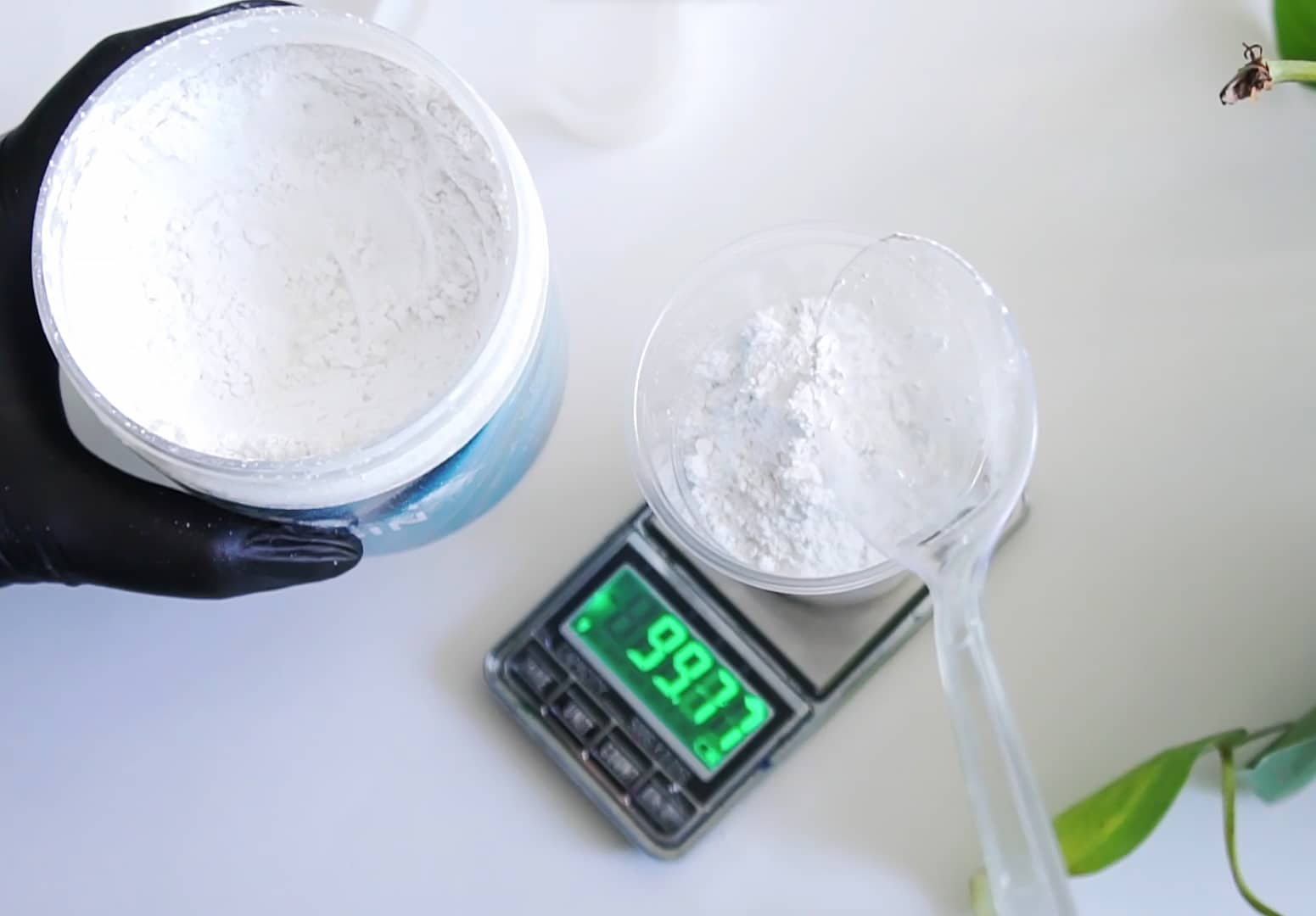
- “NatuResin” – Mineral Resin & Water System for Creative Casting and Crafts – for crafting base elements or surface repairs
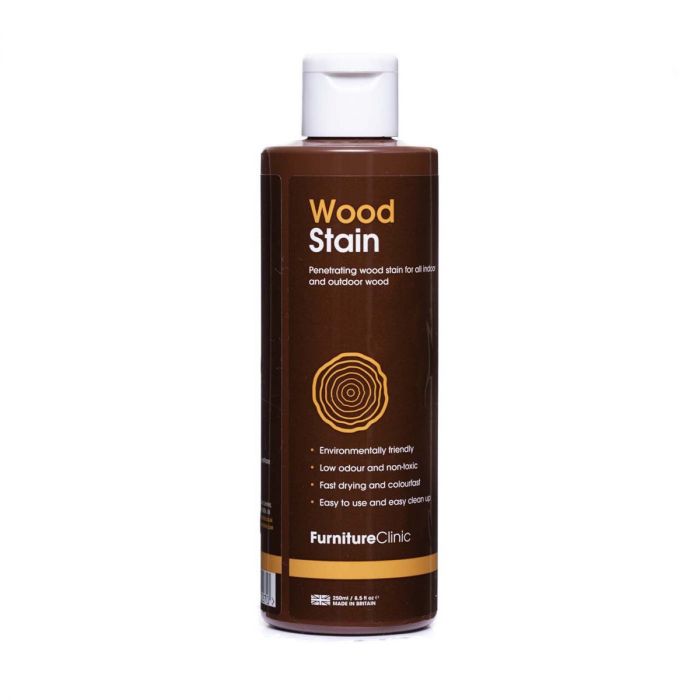
- Wood Stain for Wooden Surfaces – 250ml Water-Based – to introduce rich, time-worn colouring to resin, wood, or composite areas
- “UV–Creation” – Fast Acrylic Resin, 3 Minute UV Cure – for quick repairs or adding protective clear finishes
- Fine grit sandpaper or steel wool
- Soft paintbrushes and sponges
- Protective gloves (optional, for sensitive skin)
- Tissues, cotton buds, or soft rags
Essential Tools for a Flawless Aged Look
Assembling the right tools and surface materials is crucial for achieving a convincing antique effect on your resin statues. Quality resins, stains, and brushes ensure clean applications and lasting finishes.
Step 1: Clean and Prepare Your Resin Statue
Start by thoroughly cleaning the resin statue to remove dust, oils, or residues that might interfere with the ageing techniques. Use warm, soapy water and a soft sponge. Rinse well, then let the surface air dry completely. For statues made recently or repaired with products such as “NatuResin” – Mineral Resin & Water System for Creative Casting and Crafts, ensure the resin is fully cured before proceeding to the ageing steps. Preparation at this stage helps pigments and finishing products to bond properly and ensures a professional result.
Once dry, lightly sand glossy spots with fine sandpaper or steel wool. This gives a slightly roughened surface, which holds stains and paints more effectively.
Step 2: Apply a Base Colour Wash for Depth
Creating an aged look starts by introducing subtle variations to the base colour of your statue. Mix earth-tone acrylic paints or diluted pigment powders with water to make a translucent wash. Apply this blend over the statue using a sponge or soft brush, allowing it to settle in recesses and textured areas. Gently dab away excess with a clean cloth for a naturally uneven, weathered base.
If your statue includes wooden elements or you want deeper warmth, use Wood Stain for Wooden Surfaces – 250ml Water-Based on the relevant areas. Its fast-drying, water-based formula provides rich, antique-style colour without introducing harsh odours.
Step 3: Enhance Ageing with Patina and Highlighting Techniques
To simulate decades of exposure, layer on effects such as dark washes, dry-brush highlights, or even touches of faux rust or verdigris. Apply a thin, darker pigment (e.g., a diluted brown or green) into crevices and wipe back the raised surfaces. For weathered highlights, use a nearly dry brush with lighter paint to touch raised details and edges, echoing natural sun bleaching.
For statues that have been repaired or cast in separate stages, create seamless joins by reinforcing edges and details with “UV–Creation” – Fast Acrylic Resin, 3 Minute UV Cure. This clear resin can also lock in delicate finish layers, retaining a realistic cracked or worn look when applied thinly over textured paintwork.
Step 4: Seal and Finish for Authenticity and Durability
Preserving your aged effect is essential for both protection and visual appeal. Choose a clear, matte or satin varnish to lock in colour without excess shine. If your statue will be displayed outdoors, ensure the sealer is UV-resistant and weatherproof.
If sealing specific aged details or repairing small damaged areas, a thin application of “UV–Creation” – Fast Acrylic Resin, 3 Minute UV Cure can provide additional gloss or spot-protect highlights while maintaining the overall antique look.
Tips and Common Mistakes When Ageing Resin Statues
Work in a clean, well-ventilated area to prevent dust sticking to tacky paint or resin layers. Take your time between each step, allowing surfaces to dry fully for crisp, layered effects. Test your ageing effect on a small area first – especially if trying a new product or colour technique – to avoid surprises on the main piece.
Subtlety is key: aim for gradual colour changes and gentle highlights rather than heavy-handed streaks. Always use compatible paints, stains, and sealers designed for resin and mixed media art, and never rush the curing stage for products such as “NatuResin” – Mineral Resin & Water System for Creative Casting and Crafts or “UV–Creation” – Fast Acrylic Resin, 3 Minute UV Cure.
Bring Your Statues to Life with Layered Techniques
Building up colour washes, highlights, and protective layers lets you create authentic ageing that stands the test of time. Experiment with finishes on sample pieces before committing to your display statue.
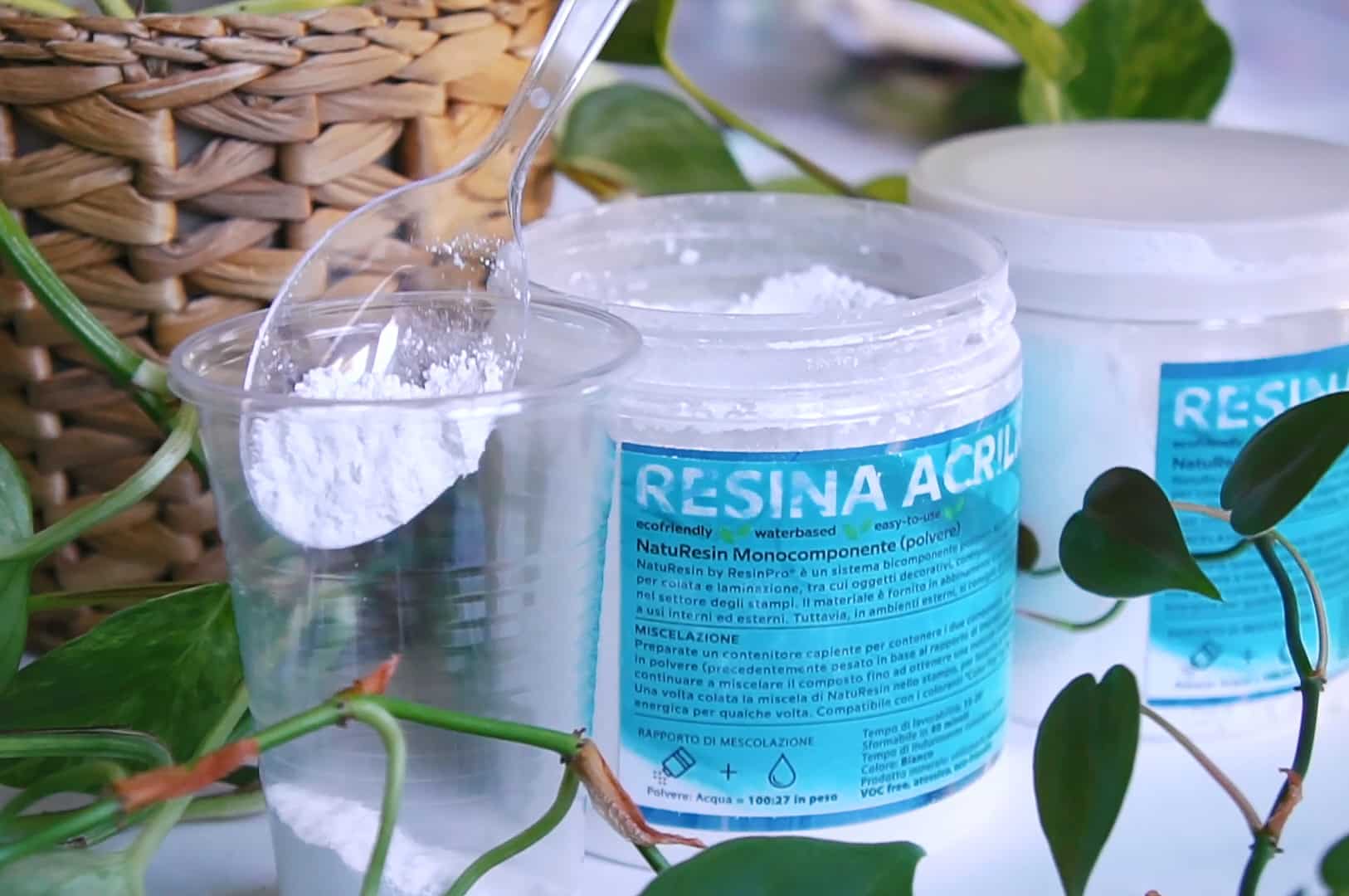
- “NatuResin” – Mineral Resin & Water System for Creative Casting and CraftsPrice range: £17.85 through £99.85NatuResin is a mineral resin system for creative casting, offering an eco-friendly, non-toxic option suitable for indoor and outdoor decorative…
- Wood Stain for Wooden Surfaces – 250ml Water-Based£11.85Water-based Wood Stain suitable for enhancing wooden surfaces, used for resin art projects within the theme of ageing resin statues.
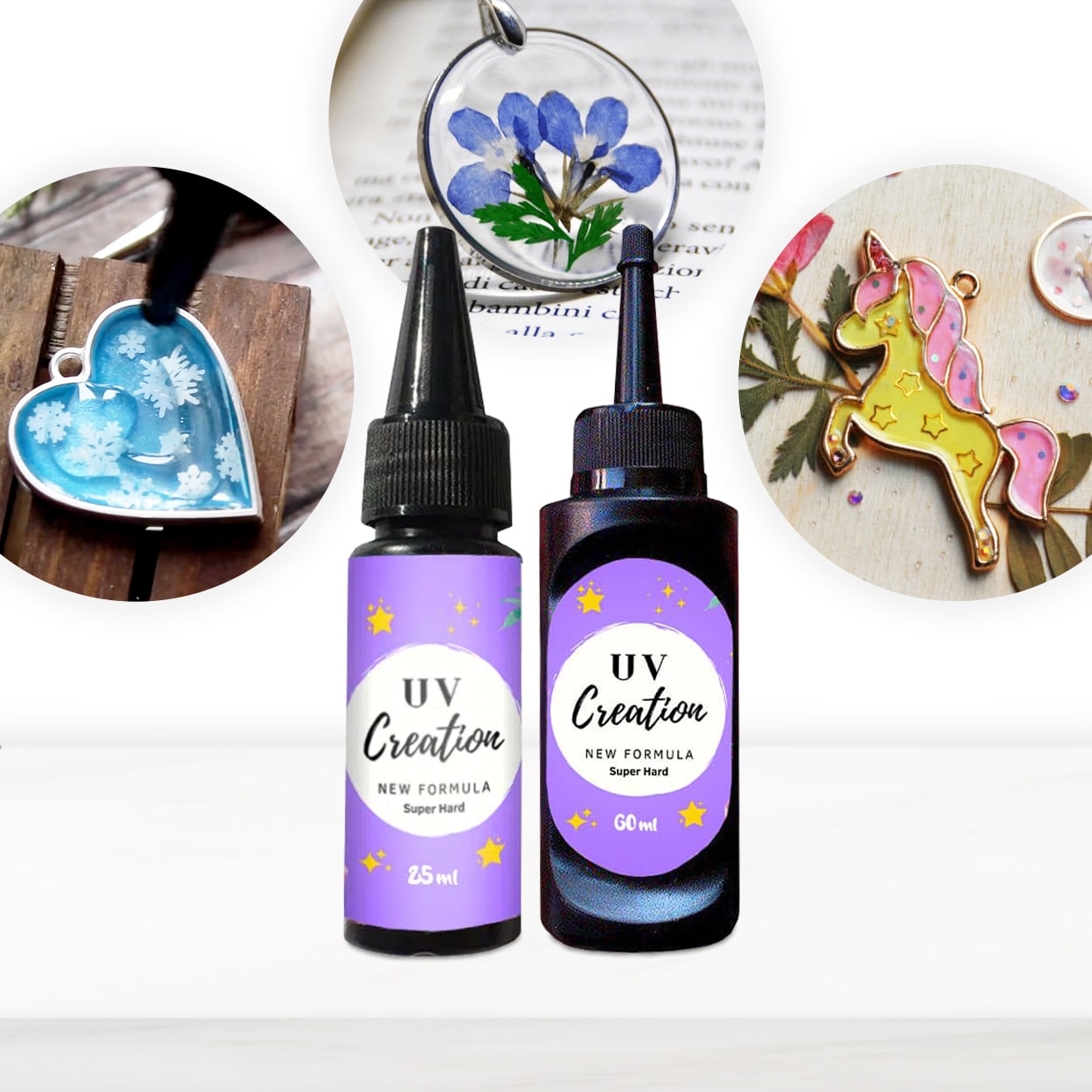 "UV–Creation" – Fast Acrylic Resin, 3 Minute UV CurePrice range: £7.85 through £59.85UV–Creation resin cures quickly under UV light, suitable for jewellery and craft projects requiring a clear, glossy, non-yellowing finish.
Frequently Asked Questions
Can you age resin statues for outdoor use?
Yes. Just ensure you use weatherproof stains and sealers for long-lasting protection and durability.
How should I prepare resin before ageing?
Clean and dry the statue thoroughly. Light sanding helps finishes adhere evenly for natural-looking results.
What finishes work best for an aged look?
Matte or satin sealers preserve the aged appearance. Clear UV-resistant resins help protect fine details outdoors.
Can UV resin be used for ageing effects?
Yes. UV-cure resin is ideal for sealing highlights or small repairs, preserving your aged finish.
How can I add patina to a resin statue?
Apply thin washes of diluted paint or wood stain, letting them settle in crevices for depth and realism.
Can I use wood stain on resin statues?
Water-based wood stain is excellent for tinting resin and adding warmth, especially on textured or mixed-media areas.