 Free shipping on orders over £29,85
  Shipping Tracking!


 Google
 Facebook
What is vinyl resin made of?
Understand vinyl resin’s composition and explore better alternatives

Curious about what vinyl resin is made of and how it performs in creative and industrial applications? This page explains vinyl resin’s typical composition, how it differs from contemporary resin choices like epoxy and polyurethane, and helps you find the best product for your specific requirements, whether you’re working on doming, casting, moulding, or finishing projects.
Vinyl Resin Composition & Comparison with Modern Alternatives
Vinyl resin, commonly referred to as polyvinyl chloride (PVC) resin, is produced by polymerising vinyl chloride monomers. Known for its clarity and toughness, vinyl resin mainly consists of long chains of vinyl chloride molecules, and is widely used in coatings, adhesives, and some crafting projects. However, in the modern resin landscape, polyurethane and epoxy resins often deliver enhanced flexibility, clarity, UV resistance, and user-friendly application compared to traditional vinyl resins. If you are seeking products for casting, coatings, or model making, epoxy and polyurethane compounds are most likely to meet your needs more effectively. The products on this page represent leading solutions in these categories, each specifically formulated for a different application and offering unique advantages over conventional vinyl resins.
Vinyl Resin vs. Polyurethane and Epoxy
Vinyl resins are often chosen for their clarity and cost, but modern polyurethane and epoxy solutions typically provide superior UV resistance, flexibility, and mechanical strength. Assess your intended project requirements before deciding on a resin type.
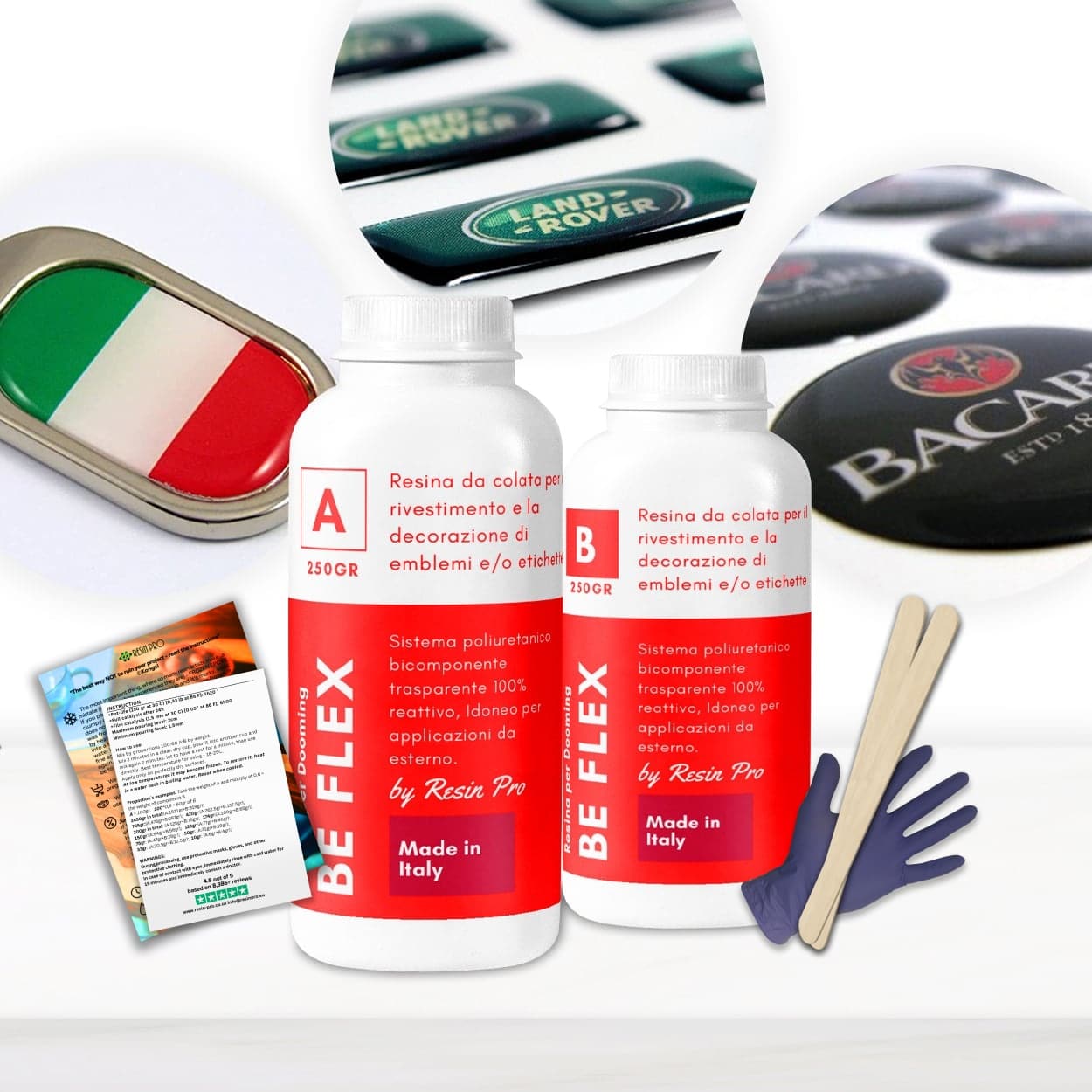
“Be Flex” – Transparent Polyurethane Doming Resin – Scratch-Resistant
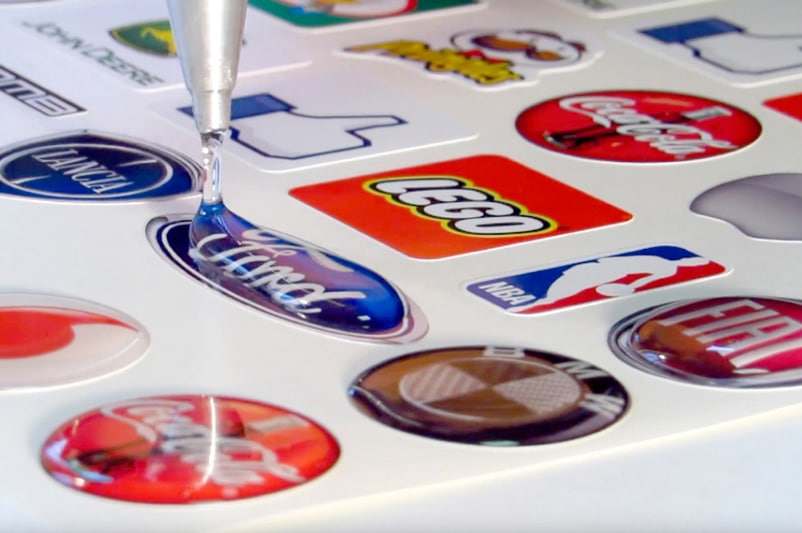
Be Flex is a transparent polyurethane doming resin purpose-built for creating a resilient, bubble-free lensing effect—ideal for labels, stickers, and badges. Unlike rigid vinyl resin, its formula prioritises flexibility, self-healing properties, and outdoor durability with waterproof and UV-resistant performance. This makes it superior for curved applications or high-wear decorative surfaces where you want to avoid yellowing or cracking over time. Be Flex features a user-friendly application, high scratch resistance, and is cruelty free and vegan-friendly, making it suitable for both professional and personal projects where clarity and longevity are essential.
“Carbon Resin” – Epoxy Resin for Carbon Fibre & Fibreglass Coating
If your work involves reinforcing technical fabrics or composite construction, Carbon Resin is a high-performance epoxy resin designed specifically for carbon fibre and fibreglass applications. It ensures thorough impregnation with minimal bubbles, delivers high impact resistance, and cures to a glossy, professional finish. Unlike traditional vinyl-based solutions, this epoxy option excels where mechanical stress and fabric bonding are priorities, and is conveniently cured at room temperature for easy use in workshops or at home. Professional makers, model builders, and anyone demanding structural integrity and a flawless clear coat will appreciate the properties of this multipurpose resin.
IWhite – Polyurethane Casting Resin – White, Fast-Curing Two-Part System
For those seeking rapid prototyping and the ability to capture intricate details, the IWhite Polyurethane Casting Resin is a two-part, isocyanate-based system. Its high fluidity and 30-minute rapid cure make it ideal for model makers, crafters, and professionals producing detailed moulds or quick-turnaround replicas. This resin can be coloured before curing or painted afterwards, providing creative freedom not typically associated with vinyl resin or slower-curing epoxy systems. The durability of the cured product and efficient workflow make it a top choice for precise, small-scale fabrication and casting needs.
“Trasparente” – Multipurpose Clear Epoxy Resin for Casting – Up to 2cm
Trasparente is a certified non-toxic, solvent-free casting epoxy resin capable of forming ultra-clear layers up to 2 cm thick. Trusted for woodworking, table making, and a wide range of DIY projects, this versatile formula features high scratch resistance, integrated UV protection with a 10-year anti-yellowing guarantee, and excellent clarity for embedding objects or decorative finishes. Where vinyl resins may yellow or become brittle, Trasparente maintains its brilliance and strength, making it a superior choice for layered castings, furnishings, or restoration projects.
Tips for Choosing the Right Resin for Your Application
Choosing the best resin depends on your project’s unique needs. For flexible surfaces and doming, opt for polyurethane-based products like Be Flex. For technical fabric reinforcement or structural applications, a dedicated epoxy such as Carbon Resin is ideal. Rapid detail casting is best handled by fast-curing polyurethane like IWhite, while clear, non-toxic epoxy resins like Trasparente excel in artistic, furniture, or restoration projects. Always check the compatibility with your intended substrate and curing conditions. If you require additional guidance, browse our multipurpose epoxy resins or gift ideas and promotions for inspiration and support.
Expert Application Considerations
Always use the recommended resin for your application. Using a resin not tailored to your needs can result in yellowing, brittleness, or weak adhesion. Contact us for expert advice tailored to your project’s requirements.
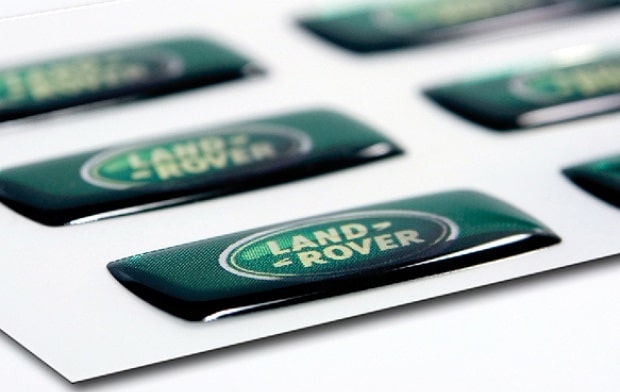
- "Be Flex" – Transparent Polyurethane Doming Resin – Scratch-ResistantPrice range: £21.85 through £77.85Be Flex offers a transparent, flexible, scratch-resistant finish suitable for curved surfaces like labels and badges.
- "Carbon Resin" – Epoxy Resin for Carbon Fiber & Fiberglass CoatingPrice range: £18.85 through £35.85Epoxy resin designed for composites and technical fabrics, supporting durable, bubble-free impregnation and a glossy finish.
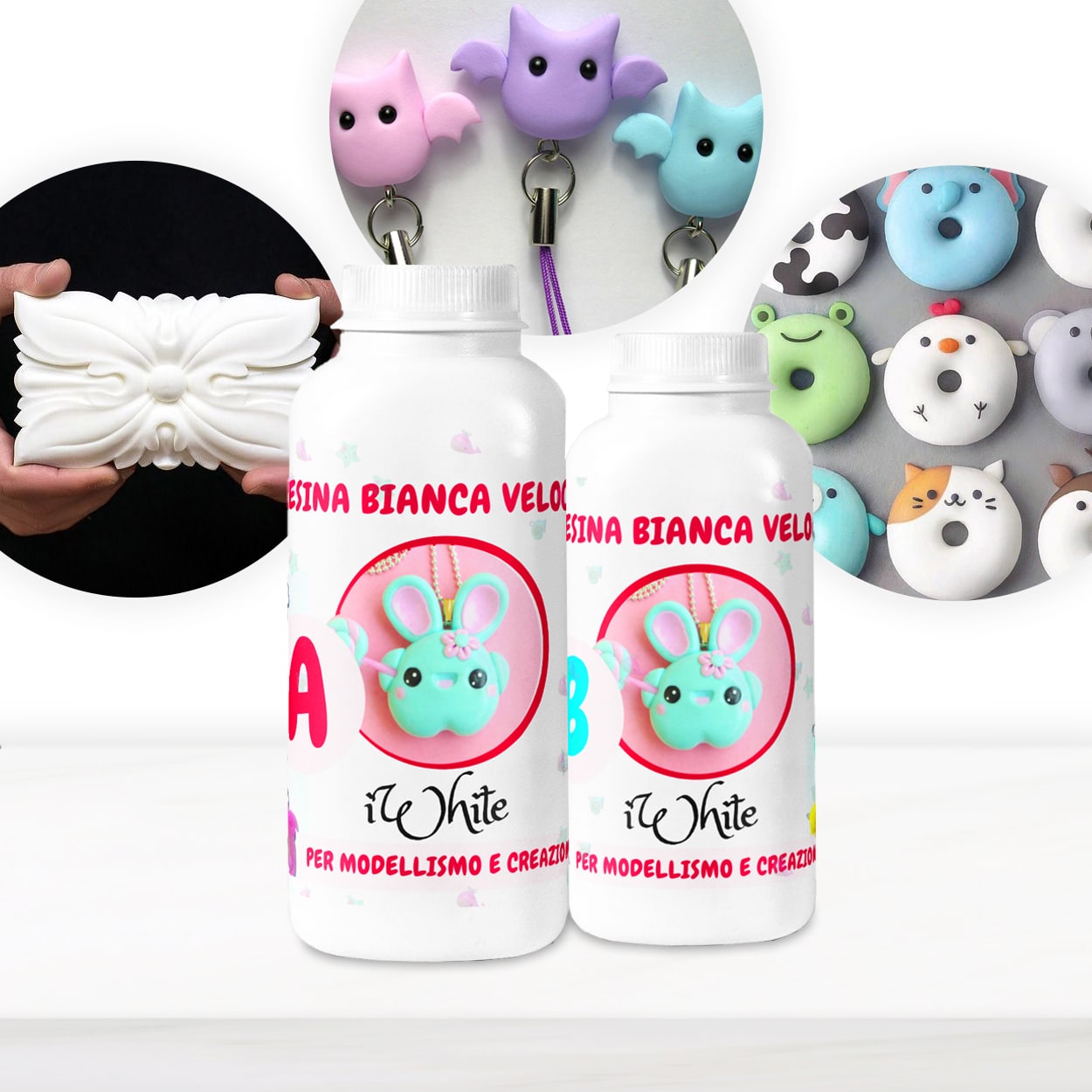 “IWhite” – Polyurethane Casting Resin – White, Fast-Curing Two-Part SystemPrice range: £22.85 through £34.85IWHITE is a fast-curing polyurethane resin suitable for detailed moulding and rapid prototyping in model making and crafting.
 "Trasparente" – Multipurpose Clear Epoxy Resin for Casting – Up to 2cmPrice range: £8.45 through £948.85"Trasparente" is a clear casting epoxy resin designed for layers up to 2 cm with a scratch-resistant finish and UV protection.
Frequently Asked Questions
How does vinyl resin differ from polyurethane and epoxy resins?
Vinyl resin is PVC-based, valued for clarity and cost. Polyurethane offers flexibility and abrasion resistance, while epoxy excels in durability and strength.
Which resin type offers the best resistance to UV yellowing?
Polyurethane and epoxy resins are generally more resistant to yellowing than traditional vinyl resins, making them suitable for outdoor or decorative applications.
What is the best resin to use for doming labels and badges?
A flexible polyurethane doming resin like Be Flex offers clarity, flexibility, and UV resistance for superior results on badges and labels.
Is epoxy resin more impact-resistant than vinyl resin?
Yes, epoxy resins such as Carbon Resin offer higher mechanical and impact resistance, ideal for technical composites and reinforcing fabrics.
Which resin is suitable for rapid prototyping and detailed casting?
A fast-curing polyurethane casting resin like IWhite is ideal for high-detail moulds and efficient model making.
How does clear epoxy compare to vinyl resin for casting thick layers?
Clear epoxy resins like Trasparente allow thicker, non-yellowing casting layers, whereas vinyl resins are less UV stable and more prone to brittleness.
Are vinyl resins safer than epoxy or polyurethane options?
Certified epoxies like Trasparente offer non-toxic, solvent-free formulations, while some vinyl resins may contain additives with health considerations.