 Free shipping on orders over £29,85
  Shipping Tracking!


 Google
 Facebook
← Back to How good is Resin Pro resin?
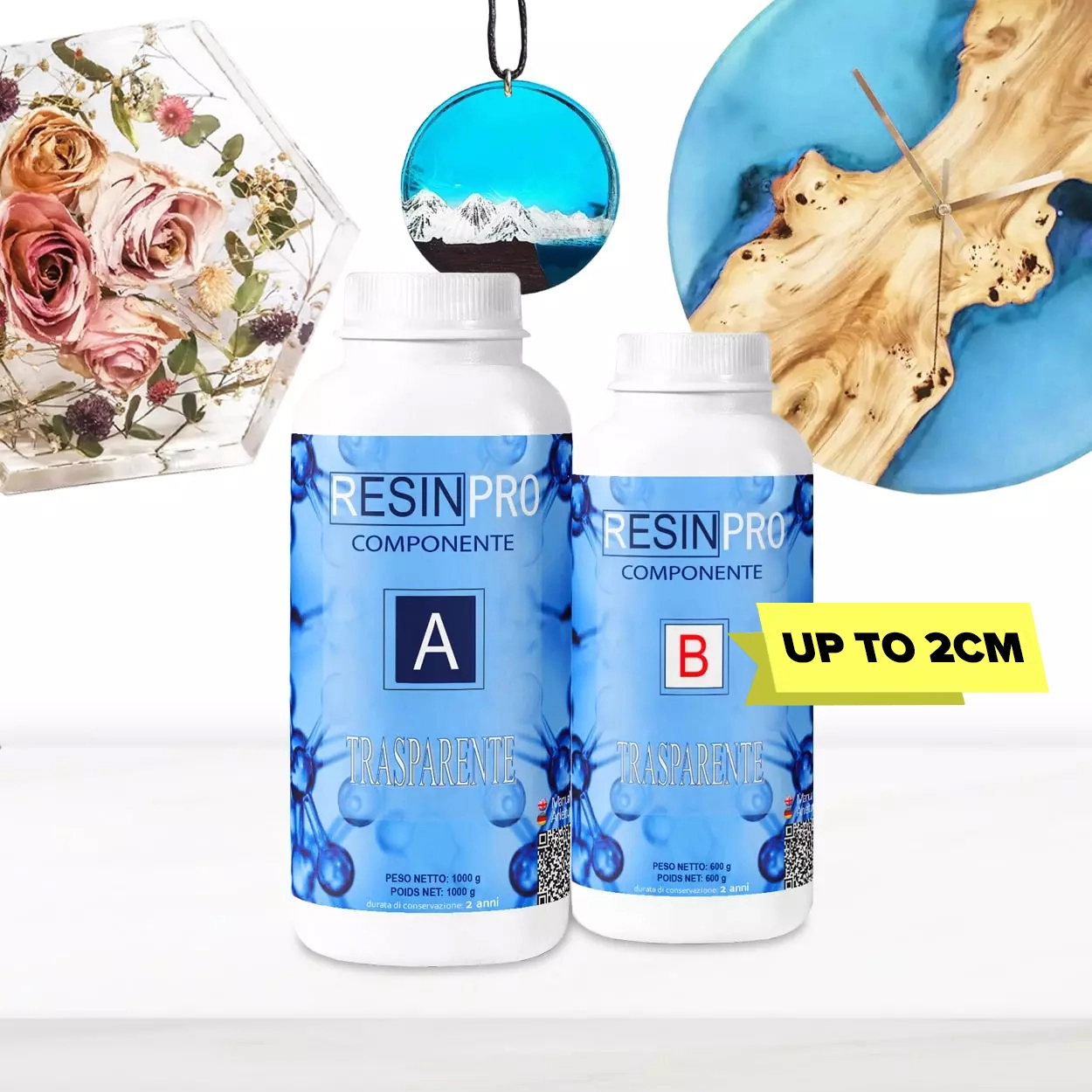
Working with deep pour resins such as Trasparente opens creative possibilities, from casting jewellery to large-scale table projects. However, preventing overheating during pouring is essential to achieve smooth, safe, and flawless results.
What Causes Resin Overheating?
Overheating is a common concern when working with deep pour resins. It most often occurs if you pour layers thicker than recommended (typically over 2 cm for Trasparente), work in a warm environment, or try to accelerate curing using external heat sources such as heat guns or hot water baths. Excess heat during curing can lead to bubbling, distortion, or discolouration, ultimately affecting the clarity and strength of your finished cast.
Practical Tips for Safe Deep Pouring
- Keep layers thin: For Trasparente resin, do not exceed 2 cm thickness in a single pour. Allow each layer to fully gel before adding the next.
- Monitor room temperature: Work in a cool area, ideally around 20°C, to minimise the rate of exothermic reaction and reduce the risk of overheating.
- Avoid forced curing: Let the resin cure naturally rather than using heat sources to speed things up. Patience preserves the resin’s clarity and integrity.
- Choose the right product for the depth: For projects requiring single pours greater than 2 cm thick, opt for resins formulated for deep casting, such as Epoxytable 10-Ten, which is specifically designed to handle thicker layers without overheating.
When This Matters Most
Preventing overheating is crucial for large pours, intricate memorial casts, and any application where crystal clarity and structural integrity are vital. Errors in handling can mean starting over, so careful planning pays off.
Related products
Related guides
Understanding how to avoid overheating ensures safer, higher quality deep pour resin results. For more on choosing the right resin and perfecting your craft, visit the main guide on how good Resin Pro resin is.