 Free shipping on orders over £29,85
  Shipping Tracking!


 Google
 Facebook
← Back to How do you remove epoxy glue?
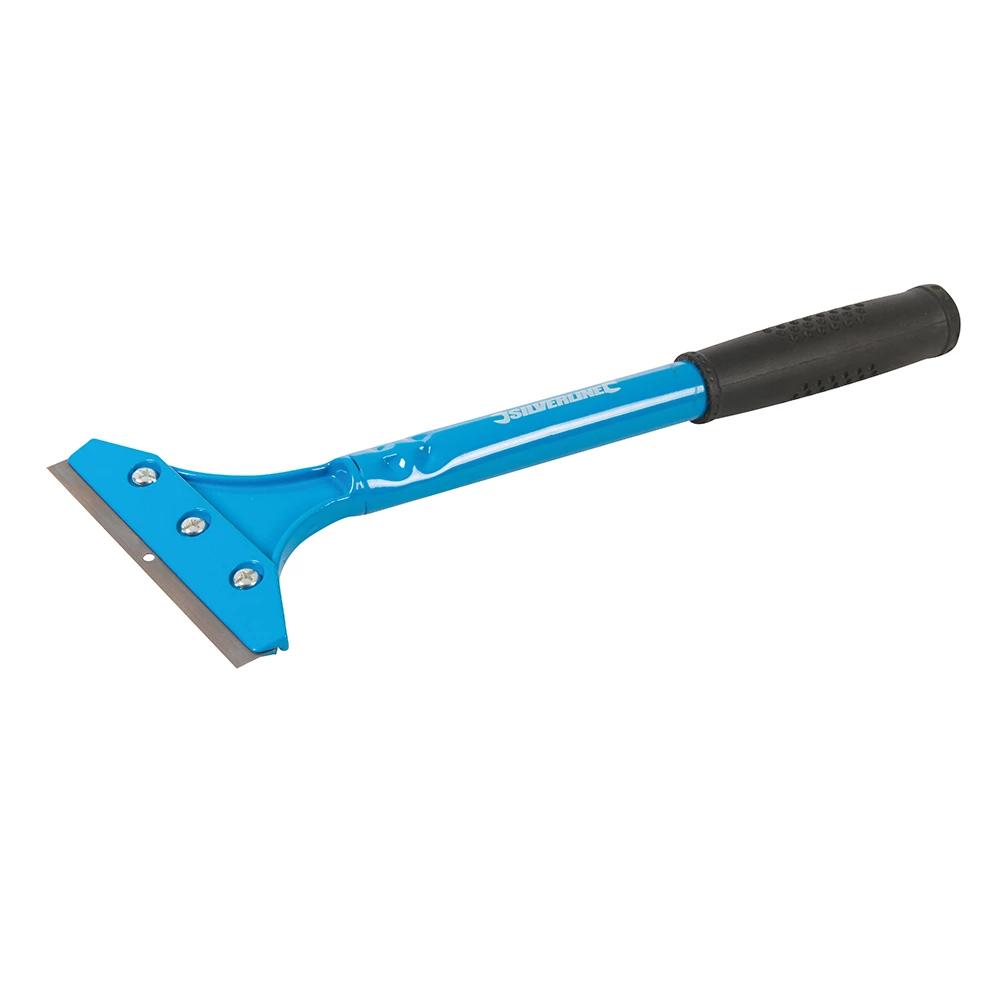
Removing epoxy glue depends greatly on whether the adhesive is still fresh or has fully cured. Each stage requires different techniques and tools to achieve the best results.
How to Remove Fresh (Uncured) Epoxy Glue
Fresh epoxy, which remains sticky and workable, can generally be wiped away using a solvent. Products such as isopropyl alcohol are commonly used for this purpose. Simply moisten a clean cloth with the solvent and gently rub the affected area until the residue lifts. Acting quickly before the glue starts to harden makes the task much easier and helps to prevent surface staining or damage. Natural degreasers can also help deal with any leftover adhesive residue on a variety of surfaces.
Dealing with Cured Epoxy Glue
Once epoxy glue has set, it forms a tough, durable bond that is much more challenging to remove. Mechanical methods are required in this stage. Using a tool like the Heavy Duty Scraper, you can carefully chip or scrape the hardened resin from the surface. For stubborn spots, patience and steady pressure help avoid damage to the underlying material. While scrapers are effective, be aware that cured epoxy usually cannot be fully removed with solvent alone at this stage.
When This Matters Most
Choosing between solvent and mechanical methods is crucial when working with decorative surfaces, floors, or sensitive projects. Acting while the epoxy is still fresh reduces the risk of permanent marks, while cured glue left unattended may require more intensive action and careful scraping to preserve finish quality.
Related products
Related guides
Understanding the difference between fresh and cured epoxy glue removal helps ensure clean, professional results in any project. For more tips and guidance, visit our main epoxy removal FAQ page.