 Free shipping on orders over £29,85
  Shipping Tracking!


 Google
 Facebook
How do you remove epoxy glue?
Safe and effective ways to tackle unwanted epoxy glue
Epoxy glue is known for its strong bond and durability, making it a trusted adhesive for a wide variety of materials. However, this same strength can present a challenge if you need to remove unwanted spills, drips, or residue. Whether you are dealing with a fresh mishap or cured epoxy, the right process will help you safely restore surfaces without damage. This guide covers both manual and chemical techniques suitable for DIYers, hobbyists, renovators, and professionals alike.
What You’ll Need
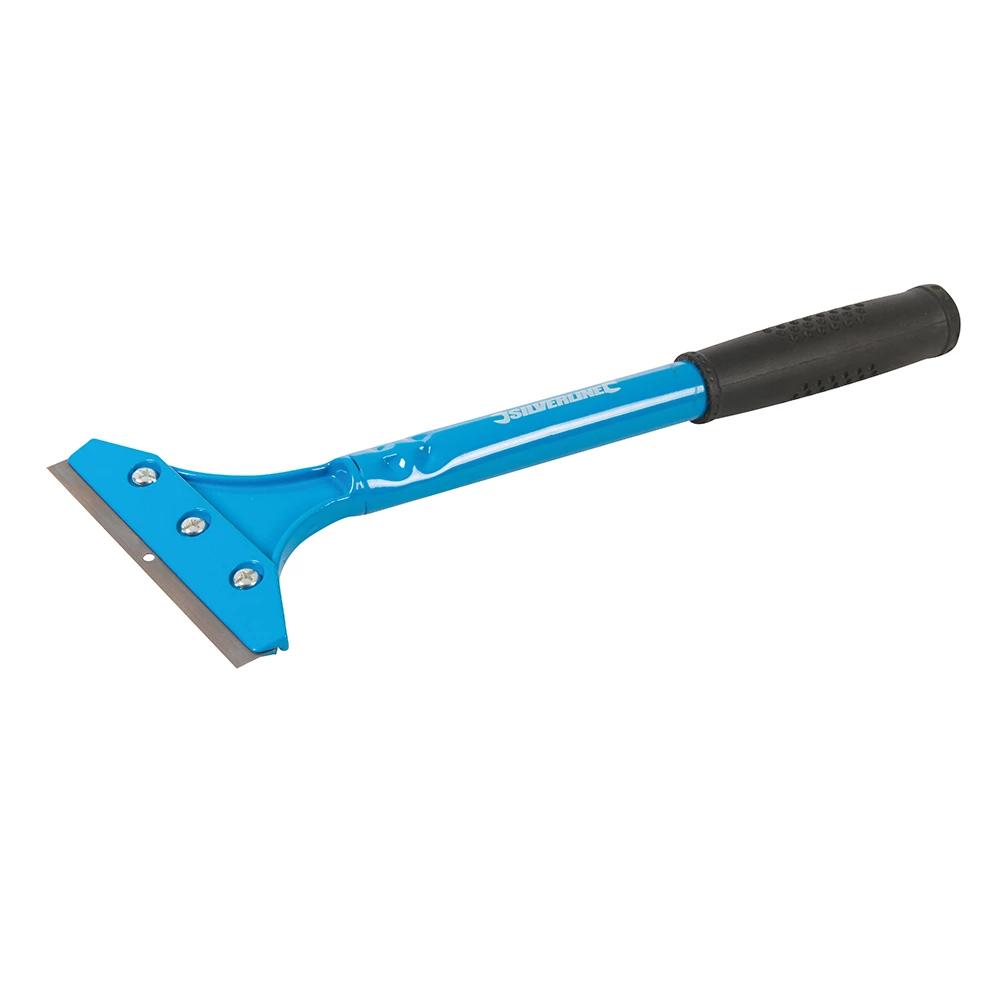
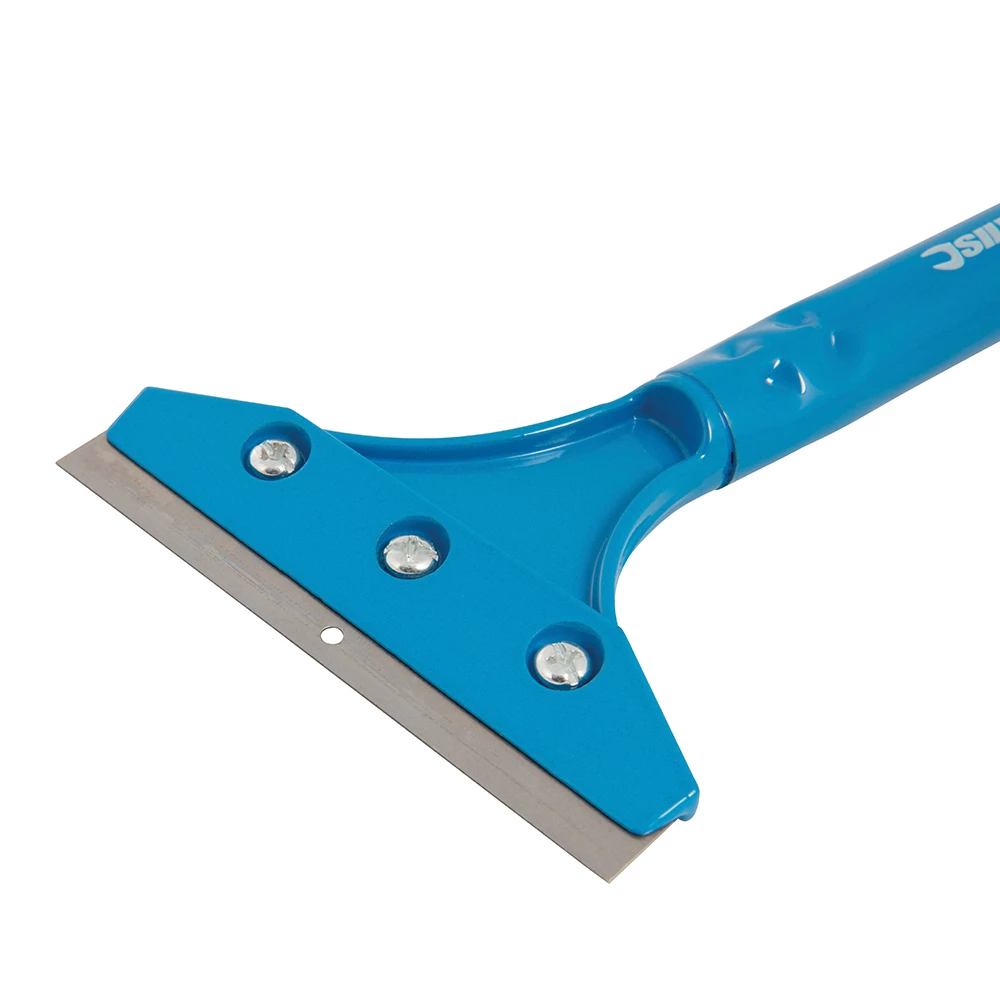
- Heavy Duty Scraper for Paint and Epoxy Resin Removal – for mechanical scraping of epoxy residues
- Pure Isopropyl Alcohol 99.9% – 1000ml Bottle for Epoxy Resin Projects & DIY – for breaking down uncured epoxy glue
- Strong Technical Degreaser for Resin Projects – 100% Natural Formula – for cleaning surfaces after removal
- Lint-free cloths and disposable gloves
- Warm water and mild detergent
Epoxy Glue Removal Essentials
Quality tools and the right solvents are key for effective epoxy glue removal. Mechanical and chemical methods can be combined for best results. Avoid rushing—careful technique prevents damage.

Step 1: Assess the Epoxy Glue and Surface
Begin by identifying whether the epoxy glue is fresh (still tacky) or fully cured (hardened). The removal method depends on the state of the glue and the type of surface—different approaches are needed for wood, metal, plastics, or ceramics. Delicate surfaces may require extra care to avoid scratches.
Gather protective gear before starting. Always wear safety gloves and eye protection when handling chemicals or using scrapers. Work in a well-ventilated area for your safety.
Step 2: Remove Fresh or Uncured Epoxy Glue
If the epoxy is still soft or tacky, act quickly. Begin by wiping away as much residue as possible using a disposable cloth dampened with warm, soapy water. For stubborn spots, apply a small amount of Pure Isopropyl Alcohol 99.9% to soften and lift the adhesive. Allow the alcohol to sit for a few minutes to loosen the resin before gently wiping it off.
Act quickly—fresh epoxy glue is much easier to remove than fully cured residue. Repeat the process if needed, and avoid excessive rubbing on sensitive finishes.
Step 3: Remove Hardened Epoxy Glue Mechanically
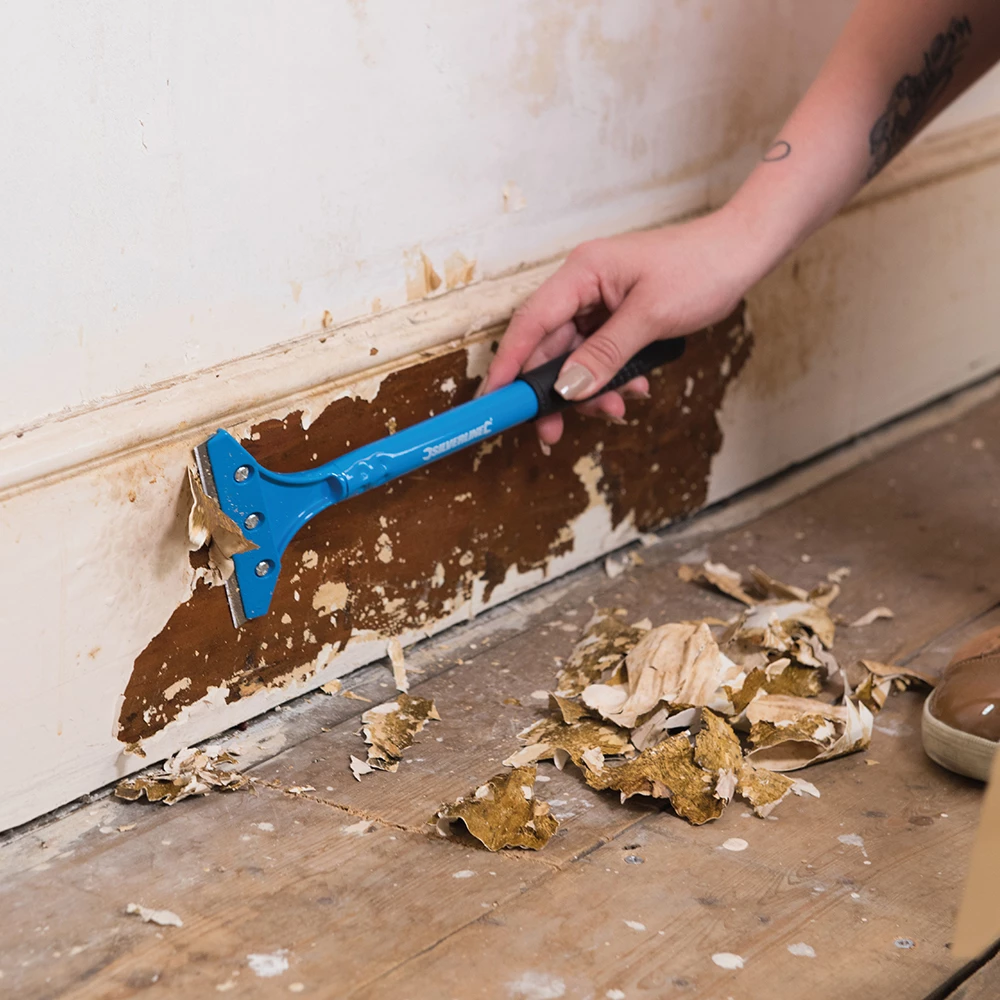
Once the epoxy glue is fully cured, chemical softening is less effective. Use a Heavy Duty Scraper for Paint and Epoxy Resin Removal to lift the bulk of the hardened glue. Hold the scraper at a low angle and apply even pressure to avoid gouging the surface. Work slowly, and if necessary, use a little isopropyl alcohol to reduce friction or soften any stubborn edges.
Avoid using metal tools on delicate surfaces to prevent scratches. For fragile materials, consider using plastic blades or consult a professional.

Step 4: Clean and Restore the Surface
After physically removing the glue, clean the entire area to eliminate any residue or oily deposits left behind. Apply Strong Technical Degreaser for Resin Projects – 100% Natural Formula on a soft cloth, and gently wipe the area. Rinse with clean, warm water and dry with a lint-free towel. This final cleaning step leaves your surface clean and ready for further finishing or use.

Tips and Troubleshooting
- Test cleaning products on an inconspicuous area first. This prevents accidental colour loss or surface damage.
- Patience is crucial. Several rounds of application and gentle scraping may be needed for stubborn spots.
- If a thick layer of epoxy remains, gently warm the area with a hairdryer to help soften it for removal—never use open flames or excess heat, especially around flammable cleaners.
- Some residues may require professional help if on antique, valuable, or sensitive materials.
When Epoxy Glue Proves Persistent
For extra-tough residues, repeat scraping and solvent application as needed. Specialist accessories and advice from resin professionals can help when home methods fall short.
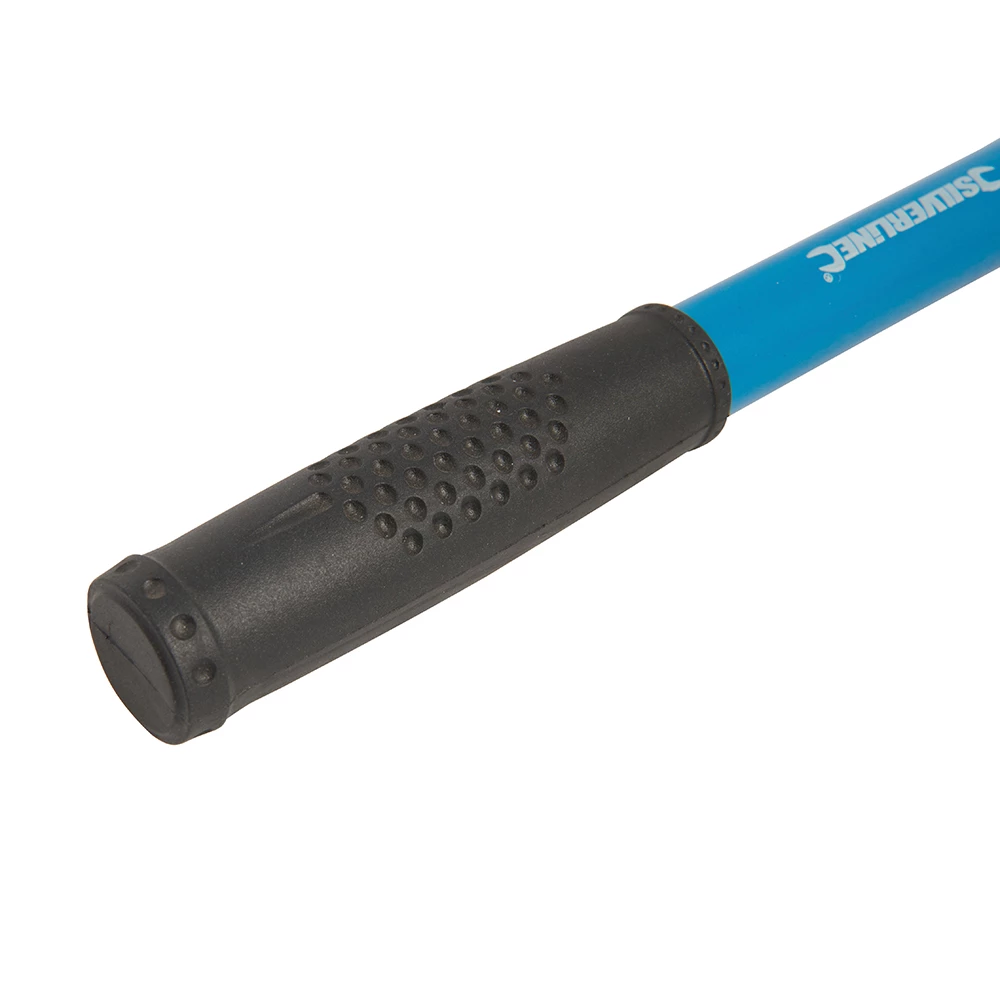
- Heavy Duty Scraper for Paint and Epoxy Resin Removal£8.35Heavy Duty Scraper offers a lightweight design and sharp blade, suitable for precise removal tasks in the theme of glue removal.
- Pure Isopropyl Alcohol 99.9% – 1000ml Bottle for Epoxy Resin Projects & DIYPrice range: £9.85 through £19.85Pure Isopropyl Alcohol 99.9% supports epoxy resin projects by removing bubbles and aiding effects in resin art.
- Strong Technical Degreaser for Resin Projects – 100% Natural FormulaOriginal price was: £10.00.£8.85Current price is: £8.85.Strong Technical Degreaser is designed for effective and gentle cleaning in epoxy resin projects, suitable for various surfaces.
- "Epoxy Polish" – Epoxy Resin Polishing SystemPrice range: £17.85 through £44.85"Epoxy Polish" is suitable for resin projects, offering a polishing system that restores a mirror-like shine with minimal effort.
Frequently Asked Questions
How does removal differ for fresh and cured epoxy glue?
Fresh, uncured epoxy is easier to remove with solvents like isopropyl alcohol, whereas hardened glue typically requires mechanical scraping.
Can isopropyl alcohol remove epoxy glue?
Isopropyl alcohol can help remove uncured or still-tacky epoxy glue, but cured glue usually needs to be scraped off physically.
Is scraping epoxy glue safe for all surfaces?
No, scraping with metal tools is not advised on delicate surfaces, as it may cause scratches. Use caution or opt for plastic blades as needed.
What is the best way to clean up after removing epoxy glue?
Finish by using a degreaser or mild detergent and rinsing with warm water, then dry with a lint-free cloth.
Can you repair surface damage caused during epoxy glue removal?
Minor scratches can often be polished out using appropriate products; deeper damage may require further refinishing or professional repair.
How can I prevent epoxy glue stains in future projects?
Use protective coverings, apply glue carefully, and clean up any spills immediately to avoid stubborn stains.
When should I seek professional help for epoxy glue removal?
If stains are on sensitive, valuable, or irreplaceable surfaces or large-scale projects, professional advice or removal is recommended.