 Free shipping on orders over £29,85
  Shipping Tracking!


 Google
 Facebook
← Back to how to remove epoxy resin
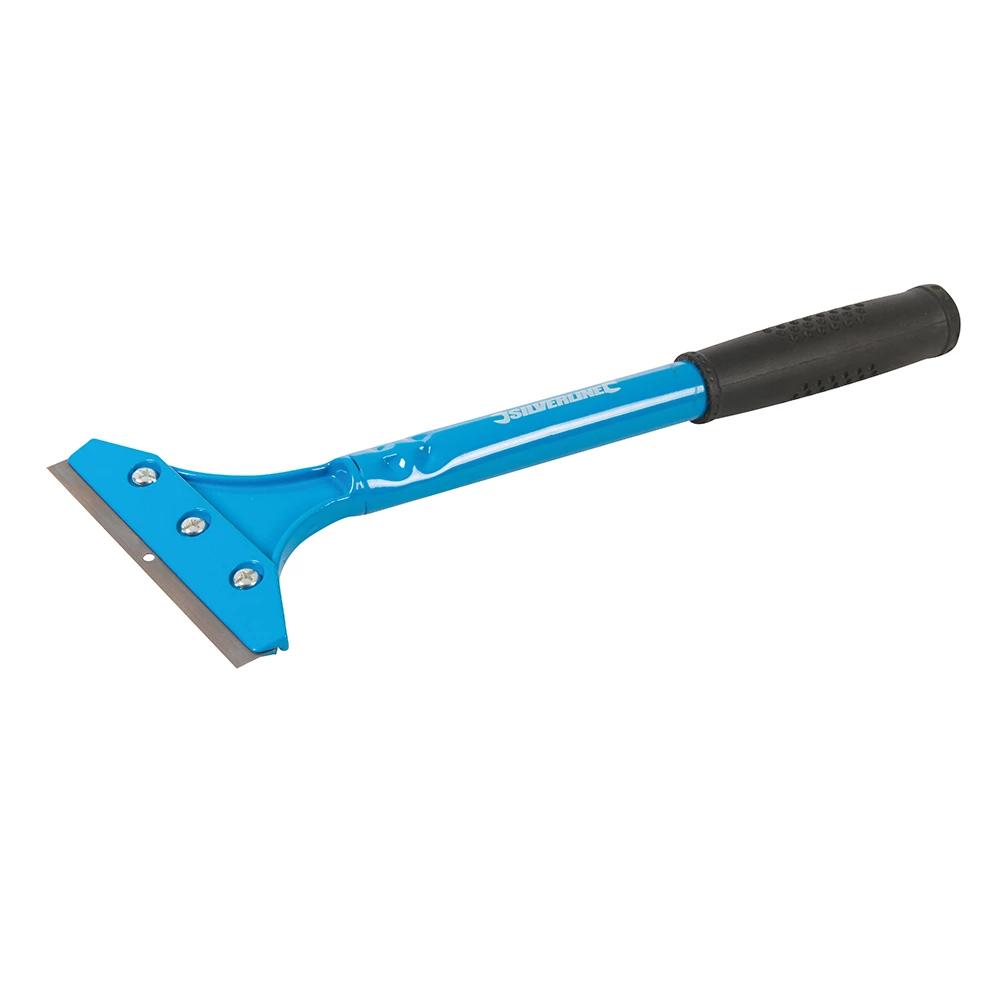
Removing epoxy resin from floors can be challenging, and certain mistakes can make the process harder or even damage your surfaces. Knowing what to avoid will help you achieve better results and ensure safety throughout the task.
Rushing the Process
Attempting to remove epoxy before it is fully cured often leads to smeared, sticky patches that are even harder to clean up. If the resin is still soft, it can spread rather than lift cleanly. Allow sufficient curing time before tackling removal for a more straightforward process.
Overusing Abrasives and Solvents
Heavy-handed use of abrasive pads, strong solvents, or sharp tools can permanently scratch or damage your flooring—especially wooden or delicate surfaces. Instead, opt for gentle scraping with tools like the Heavy Duty Scraper for Paint and Epoxy Resin Removal, and apply minimal, targeted solvent (such as isopropyl alcohol) only as needed. Always test a small area first to avoid unintentional marks or discolouration.
Neglecting Safety Measures
Ventilation is crucial whenever using chemical removers. Overexposure to fumes or skin contact with resin residues and cleaning products can pose risks. Always work in a well-ventilated space and wear gloves, goggles, and a mask where necessary. Consider a natural, skin-friendly cleaner like the Strong Technical Degreaser for a safer clean-up experience.
When This Matters
These considerations are especially important when working on lived-in spaces or valuable flooring. Careful removal techniques help prevent accidental damage and ensure the space is safe for continued use.
Related products
Related guides
Taking a cautious approach will save time and money when removing epoxy from floors. For more expert advice and methods tailored to your flooring type, explore our main guide on how to remove epoxy resin.