 Free shipping on orders over £29,85
  Shipping Tracking!


 Google
 Facebook
← Back to How do you remove air bubbles from epoxy resin?
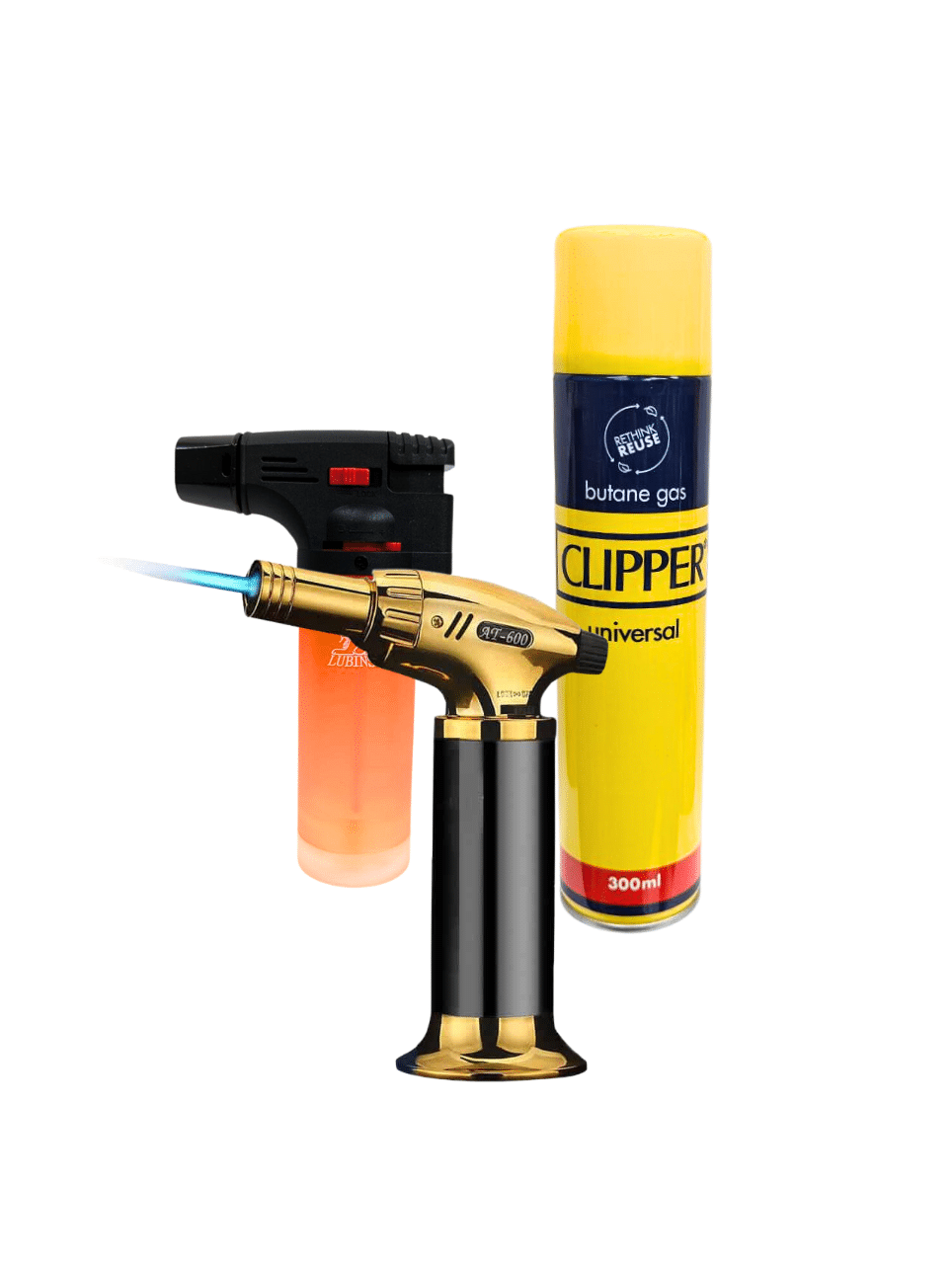
When working with epoxy resin, the thickness of your pour can dramatically change the approach you should take for bubble removal. Understanding the differences ensures a clearer, professional finish.
How Bubble Behaviour Differs
With thin epoxy layers, air bubbles are less of a challenge since they can readily rise to the surface and pop on their own. Conversely, thicker pours trap bubbles more easily, making it harder for them to escape. This means that thicker resin pours typically demand more active steps and patience to achieve a smooth result.
Effective Bubble Removal Techniques
- Thin Pours: Mix gently and wait a few minutes for bubbles to surface naturally. You can use an Anti Bubble Mixer to minimise initial bubble introduction.
- Thick Pours: Plan on making repeated, gentle heating passes using a heat gun such as the Gas Heat Gun or 1500W Heat Gun. Allow more time between passes for air to rise, and avoid over-mixing or using excessive heat, as this can cause other issues.
When This Matters Most
This distinction is especially important for deep castings, river tables, and intricate art pieces where clarity and a flawless surface are crucial. If you apply the same approach to all pours, you may end up with trapped bubbles in thick projects or wasted effort in thin ones.
Related products
Related guides
Tailoring your bubble removal method to the thickness of your epoxy pour helps you achieve a clearer, more professional result. For a detailed guide on all aspects of epoxy bubble removal, visit our main page: How do you remove air bubbles from epoxy resin?