 Free shipping on orders over £29,85
  Shipping Tracking!


 Google
 Facebook
How to extract resin from cistus
Cistus, also called Rock Rose, produces a fragrant resin prized in aromatherapy, perfumery, and natural crafts. If you wish to collect pure cistus resin at home, the right approach is crucial. This guide takes you through each step, ensuring safe, clean extraction and optimal resin quality.
Step-by-step guide for pure, effective resin harvesting


What You’ll Need
- Pure Isopropyl Alcohol 99.9% – 1000ml Bottle for Epoxy Resin Projects & DIY: Essential for cleaning tools and surfaces.
- Protective gloves
- Safety glasses
- Sharp, non-reactive knife or pruners
- Clean glass jars or containers
- Fine mesh or cheesecloth
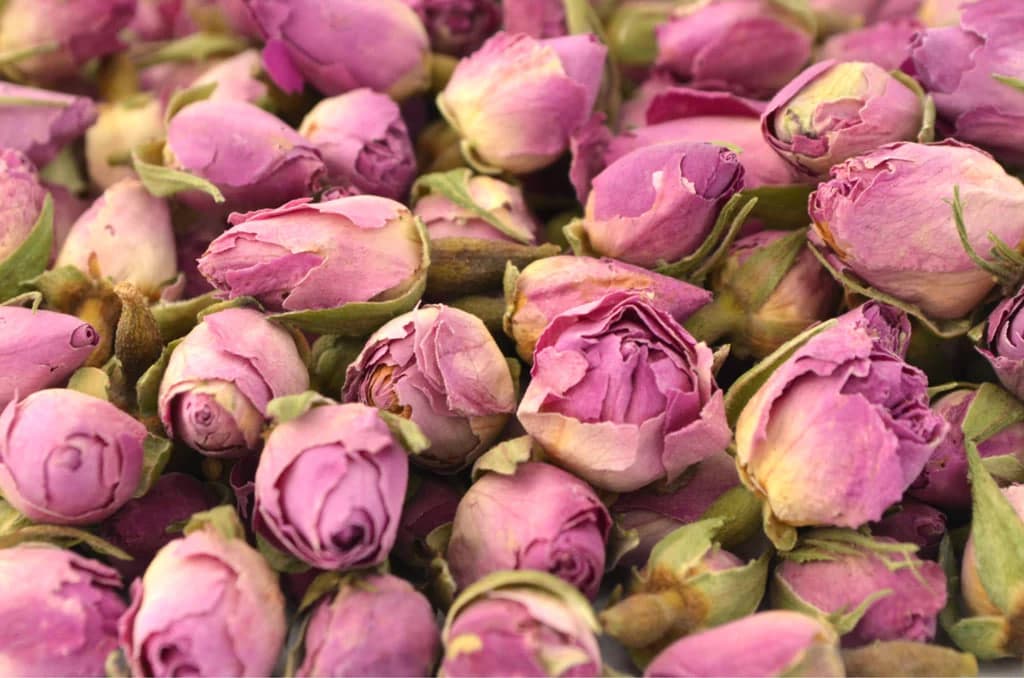
Essential Tools for Cistus Resin Extraction
Using thoroughly cleaned equipment helps ensure your cistus resin remains uncontaminated and pure. Pure Isopropyl Alcohol 99.9% – 1000ml Bottle for Epoxy Resin Projects & DIY can be used to sanitise blades, jars, and surfaces for clean handling throughout the resin collection process.
Step 1: Select and Prepare the Cistus Plants
Identify healthy, mature cistus plants growing in a clean environment. Resin is most abundant during hot, dry periods when the plant’s leaves are sticky and aromatic. Avoid collecting after rain, as moisture can dilute or contaminate the resin.
Put on your protective gloves and safety glasses before handling the plants. Gently inspect the leaves and stems for visible resin secretion, focusing on areas where the surface feels tacky or strongly scented.
Step 2: Collect the Resin Gently
Using a sharp, non-reactive knife or your gloved hands, lightly scrape or roll the sticky secretion from the leaves and stems. Be gentle to avoid harming the plant. It’s best to collect small amounts in several sessions to protect plant health and maximise yield over time.
Transfer the collected resin directly into a clean glass jar. If leaves or debris are mixed in, that’s normal; they’ll be filtered later.
Step 3: Filter and Clean the Raw Resin
Once you’ve gathered enough raw resin, use a fine mesh or cheesecloth to filter out solids. Let the resin settle in the jar, then decant or strain it, leaving debris behind.
For maximum purity, clean your collection tools and storage jars with Pure Isopropyl Alcohol 99.9% – 1000ml Bottle for Epoxy Resin Projects & DIY before and after handling resin. This helps avoid contamination and ensures no residue is left behind.

Step 4: Store and Preserve the Cistus Resin
Place the purified resin in an airtight glass container to preserve aroma and prevent exposure to air. Label the jar with the collection date for quality tracking.
Keep resin away from direct sunlight and heat, as both can affect its fragrance and consistency. Ideally, store it in a cool, dry cupboard.

Tips for Successful Extraction
- Wear gloves and eye protection at all times; cistus resin is sticky and can irritate sensitive skin.
- Choose mature cistus plants that are at least two years old for the richest yield.
- Collect resin in the late morning, after dew but before the hottest part of the day, for best results.
- Do not use metal containers, as resin reacts with some metals over time.
- Avoid exposing resin to direct heat during processing, which can damage its aromatic profile.
Maintaining Resin Quality After Extraction
Once harvested, storing cistus resin in air-tight glass containers away from sunlight is key to preserving its fragrance and composition. Avoid plastic containers, and always label your resin jars by date for proper rotation and usage.
- Pure Isopropyl Alcohol 99.9% – 1000ml Bottle for Epoxy Resin Projects & DIYPrice range: £9.85 through £19.85Pure Isopropyl Alcohol 99.9% is suitable for epoxy resin projects and useful in resin art when working within the 'How to extract resin from cistus'…
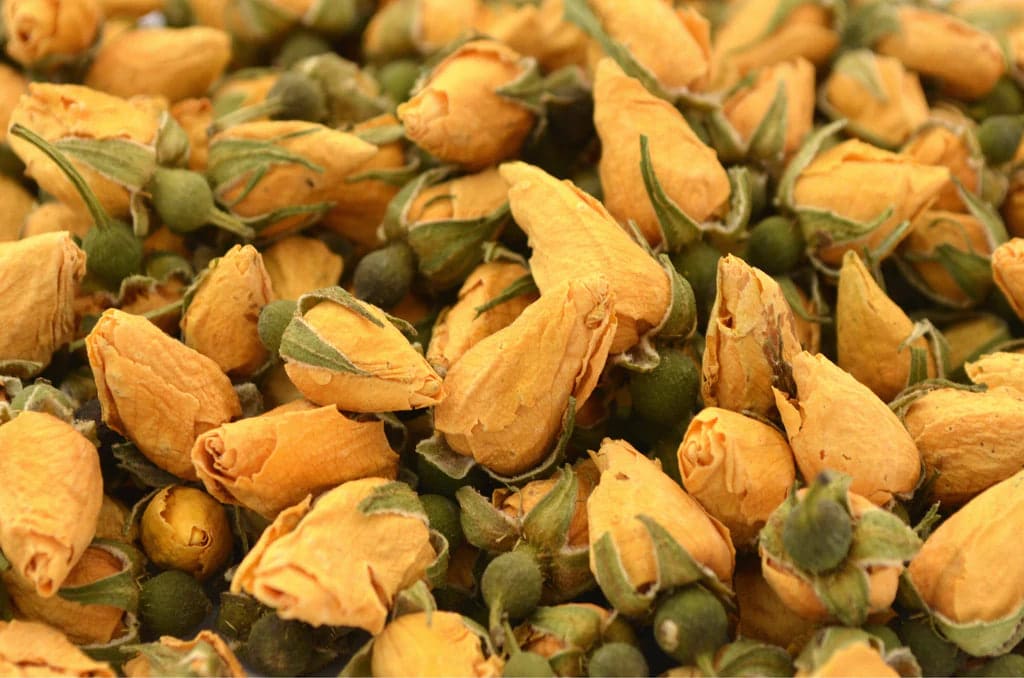
- Natural Dried Flowers for Art Projects and Epoxy Resin CastingPrice range: £5.45 through £7.85Natural dried flowers prepared for seamless use in epoxy resin and art projects within the theme 'How to extract resin from cistus'.
Frequently Asked Questions
When is the best time to collect cistus resin?
Hot, dry weather is ideal as the resin is most plentiful and aromatic during this time.
Should I use cistus resin immediately after collection?
You can, but filtering and storing the resin first ensures higher quality and longevity.
What is the best way to clean sticky resin off tools?
Clean tools with high purity isopropyl alcohol to remove resin and prevent residue build-up.
Can cistus resin irritate skin?
Yes, it can irritate sensitive skin; it’s advised to wear gloves during collection.
What is the best way to store harvested cistus resin?
Use airtight glass jars in a cool, dark place to preserve aroma and prevent contamination.
Is it okay to collect resin from wild cistus plants?
Yes, but always check local regulations and only collect from sustainable sources.