 Free shipping on orders over £29,85
  Shipping Tracking!


 Google
 Facebook
How do you dry flowers for resin art?
Preserving fresh flowers for resin art ensures your creations maintain vibrant colour, delicate detail, and lasting beauty. Whether you plan to make jewellery, coasters, or decorative pieces, proper drying is crucial to prevent wilting, browning, or mould. This guide explores reliable ways to dry flowers for resin projects while avoiding common pitfalls and ensuring your blooms are resin-ready.
Preserve flowers for resin to achieve lasting, vibrant botanical art.
What You’ll Need
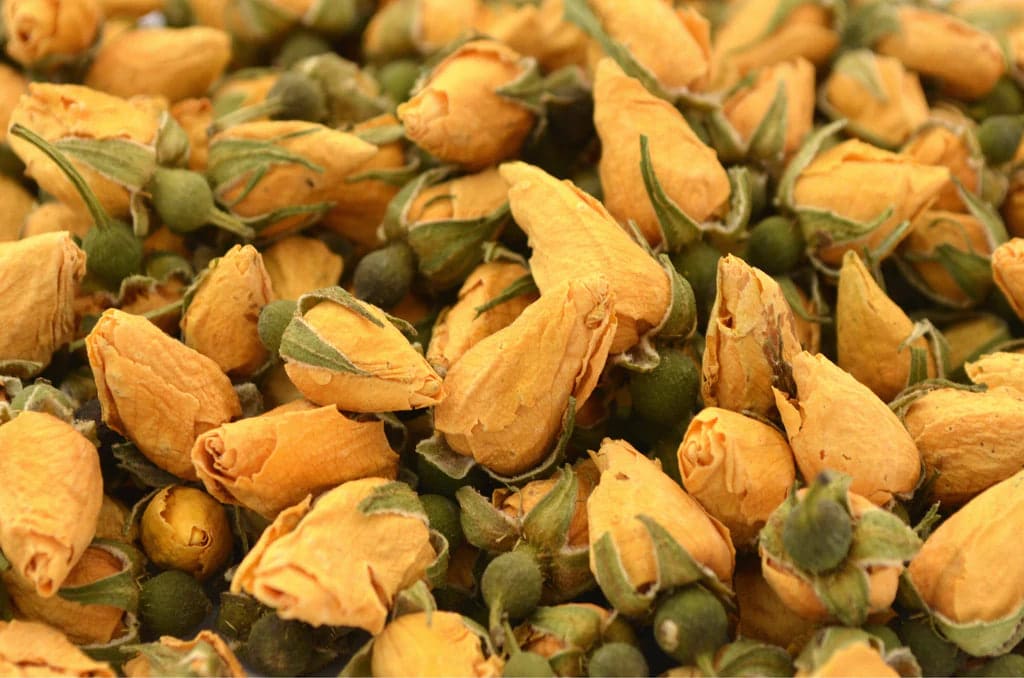
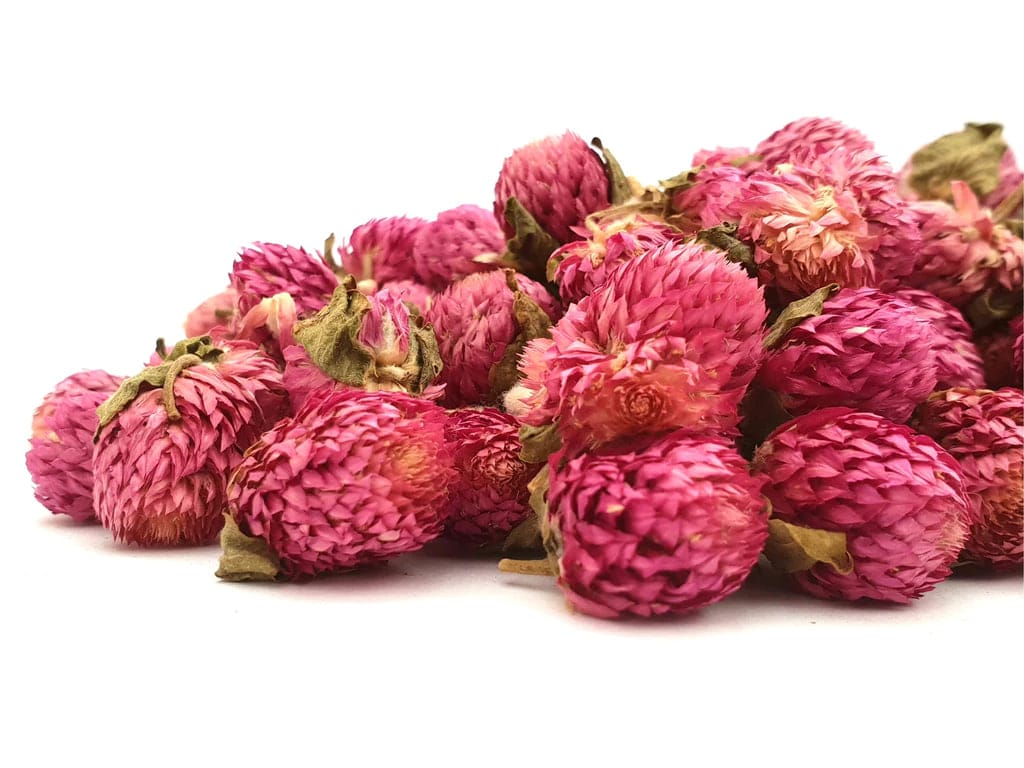
- Natural Dried Flowers for Art Projects and Epoxy Resin Casting – Ready-to-use, naturally preserved blooms for seamless resin work.
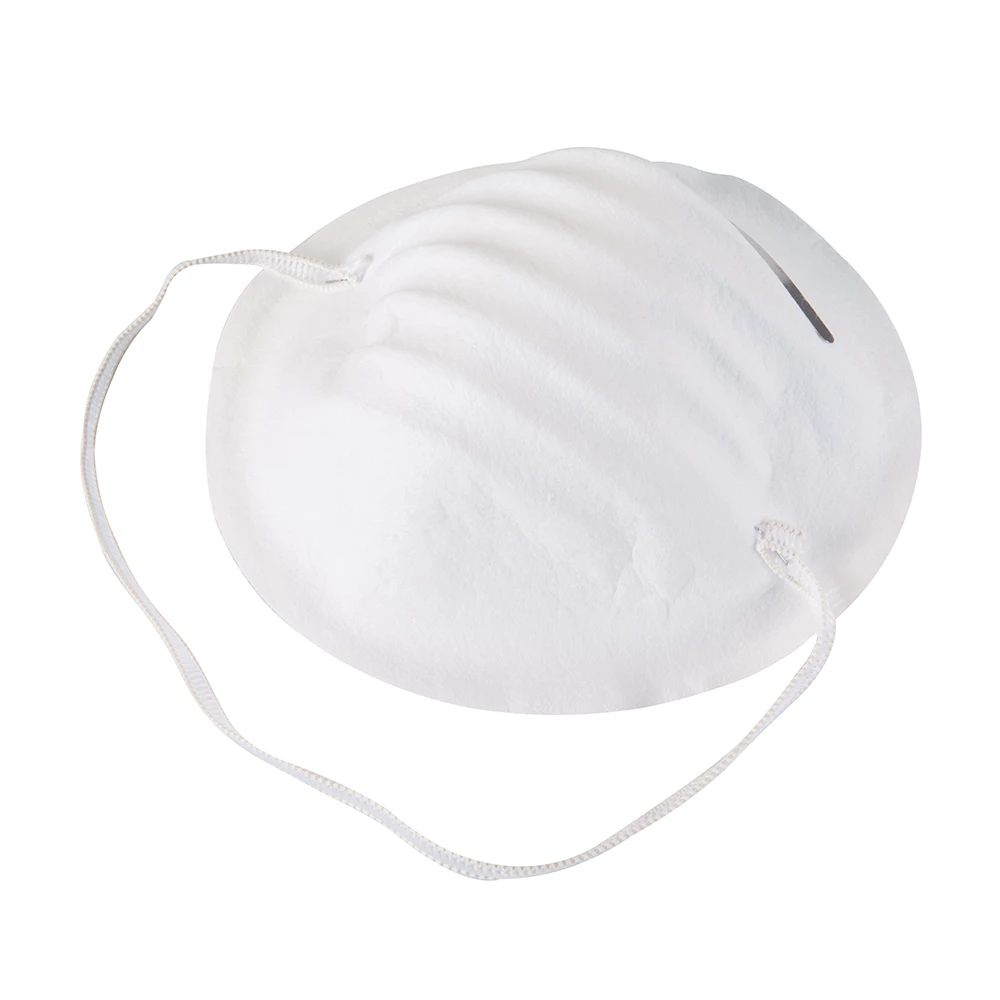
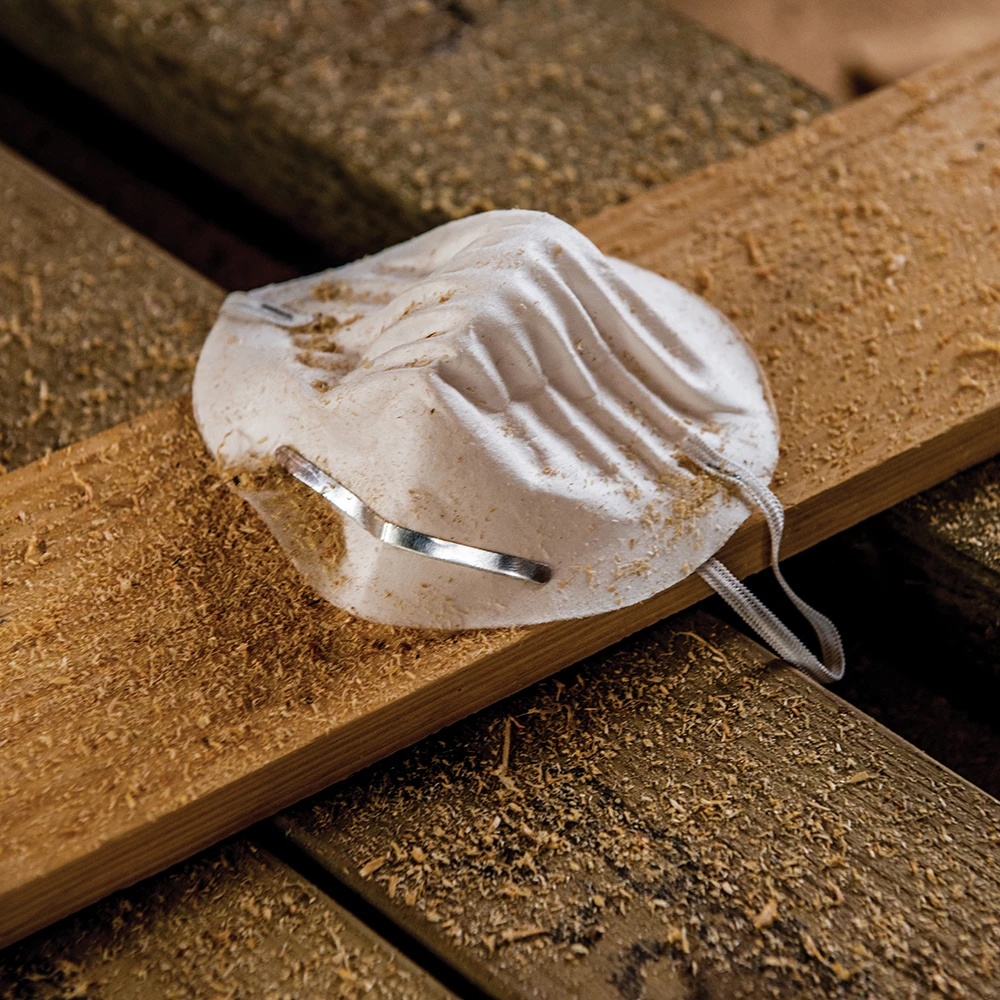
- Dust Masks for Resins – Disposable Cup Masks for Light Dust Protection – Help protect from dust and fine plant material during preparation.
- “Evershine Collection” – Artisan Jewellery Epoxy Resin Kit with 100+ Accessories – For those making resin jewellery with embedded botanicals.
- “Vase” – Flower Vase Resin Art Kit with Mica Powder and Silicone Mould – Suitable for large-scale or decorative floral resin crafts.

Drying Flowers: Methods at a Glance
Pressing, silica gel, and air drying are trusted methods for preserving flowers for resin art. Pressing is perfect for flat designs, silica gel retains natural 3D form and colour, while air drying suits structured blooms like lavender. For hassle-free projects, ready-to-use dried flowers are an effortless solution.
Step 1: Select and Prepare Your Flowers
Choose undamaged, freshly bloomed flowers. Pick them at their peak, when they are dry and free from dew or rainwater. Avoid any with signs of decay or pests. Trim stems and remove excess leaves to minimise moisture content.
Gently pat flowers dry if needed. Consider the final use: flat floral pieces (such as jewellery or bookmarks) are best suited to pressing, while rounded flowers may look better preserved three-dimensionally in resin art.
Step 2: Select Your Drying Method
Different flowers and projects benefit from distinct drying techniques. Here are three popular methods:
Pressing method: Place flowers between absorbent sheets (such as parchment or blotting paper) inside a heavy book. Change the paper every few days to prevent mildew. Great for thin petals and small florals, this method yields flat, papery results ideal for resin jewellery.
Silica gel drying: Pour a layer of silica gel into a container, arrange blooms (face-up), then gently cover with more gel. Seal the container for 2–7 days. Flowers retain shape and colour exceptionally well. Wear a dust mask to avoid inhaling fine powder during this process.
Air drying: Tie stems together and hang flowers upside down in a dark, dry space for 1–3 weeks. This traditional approach is suited to robust, naturally structured varieties (e.g. lavender or statice), but may not preserve vibrant colours as well as other techniques.
Step 3: Check and Store the Dried Flowers
Once thoroughly dried, check for crispness and absence of moisture. Pressed flowers should be papery and flat, while silica gel or air-dried blooms should be firm but not brittle. Avoid humid or damp environments to prevent rehydration and mould growth.
Store finished flowers in airtight containers, away from direct sunlight, until ready to embed them in resin. For added convenience and reliability, you can use Natural Dried Flowers for Art Projects and Epoxy Resin Casting, which are curated and preserved for immediate application.
Step 4: Prepare Flowers for Resin Art
Arrange your dried flowers to suit your resin project design. For best results, handle with tweezers to avoid crushing delicate petals. If embedding in a mould, plan placement in advance and check the fit. Some flowers might benefit from a thin seal of clear spray to reduce air bubbles during resin pouring, but ensure they are completely dry first. Handle with care to maintain structural beauty.
If creating jewellery or decorative items, a starter kit like the “Evershine Collection” – Artisan Jewellery Epoxy Resin Kit with 100+ Accessories provides not only the resin but tools and instructions to support flawless botanical castings.

Tips and Common Mistakes
Patience and careful technique yield the best results. Avoid using wet or under-dried flowers—they can cause resin to cloud or introduce mould. Overcrowding flowers in pressing or drying containers reduces air circulation and may lead to discolouration or decay. Always use appropriate personal protection when working with powders or delicate florals to safeguard your workspace and health.
Before You Cast: Resin-Ready Flower Tips
Test dryness before embedding flowers in resin. Fragile petals can be gently bent to check for moisture—flexible means they need more drying. Dried flowers must be crisp—not soft—to ensure clarity and avoid defects in your final resin art.
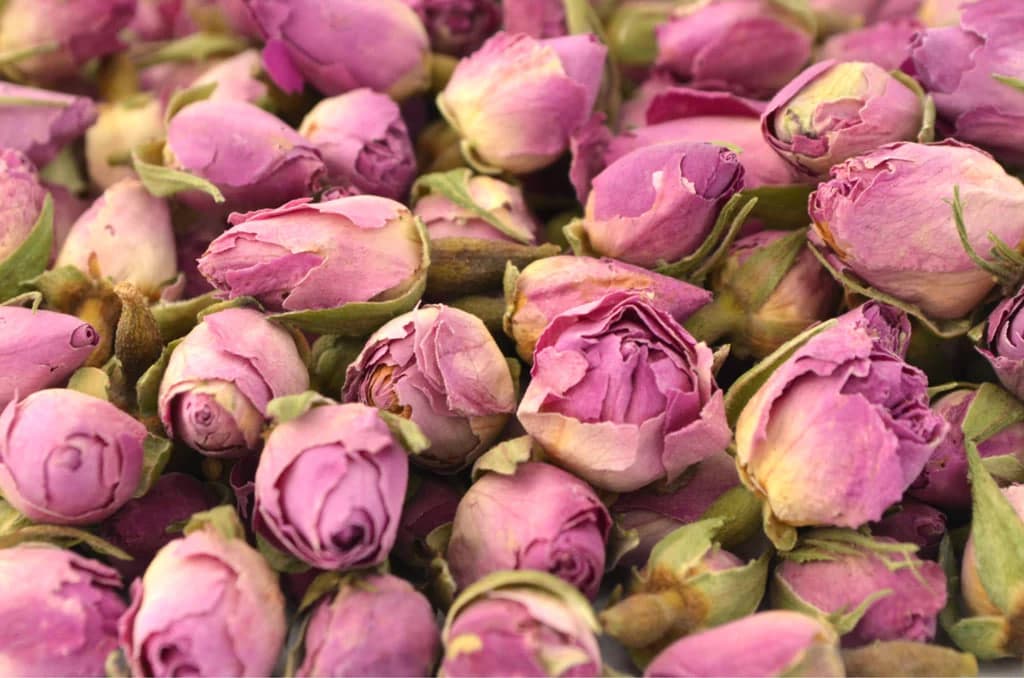
- Natural Dried Flowers for Art Projects and Epoxy Resin CastingPrice range: £5.45 through £7.85Natural Dried Flowers suitable for resin art and craft projects, providing ready-to-use elements with a natural aesthetic.
- Dust Masks for Resins – Disposable Cup Masks for Light Dust ProtectionPrice range: £4.15 through £20.15Dust Masks for Resins are disposable masks designed for light dust protection during resin crafting and sanding.
 "Evershine Collection" – Artisan Jewellery Epoxy Resin Kit with 100+ Accessories£20.85This kit includes crystal-clear 1:1 epoxy resin and over 100 accessories, suitable for jewellery making and resin craft.
 "Vase" – Flower Vase Resin Art Kit with Mica Powder and Silicone Mould£39.85"Vase" resin art kit includes resin, mica powders and silicone mould for flower-shaped vases or trays in resin.
Frequently Asked Questions
What are the best methods for drying flowers for resin art?
Pressing, silica gel drying, and air drying are reliable choices. Silica gel preserves shape and colour best for resin work.
Can you use fresh flowers in resin art?
Fresh flowers contain moisture that leads to mould, browning, and clouding in resin. Always dry flowers thoroughly before use.
How long does it take to dry flowers for resin art?
Pressing takes 1–3 weeks, silica gel can work in 2–7 days, and air drying often takes 1–3 weeks depending on flower type.
How do you prevent mould when drying flowers for resin?
Ensure complete drying and store flowers in airtight containers. Remove any damaged or soft blooms before use.
How do you keep flower colour when drying for resin?
Silica gel drying and storing dried flowers away from sunlight help preserve vibrant colour for resin embedding.
Should I buy pre-dried flowers for resin art?
Pre-dried flowers save time and guarantee proper preservation, making them an excellent choice for seamless resin art.
How can I protect myself while drying flowers for resin art?
Wear lightweight dust masks when handling powders or delicate blooms to reduce inhalation of fine particles.