 Free shipping on orders over £29,85
  Shipping Tracking!


 Google
 Facebook
How to Avoid Resin Nests in Infusions?
Expert steps to prevent bubbles for flawless resin infusions

Resin nests—clumps or trapped bubbles within epoxy infusions—can ruin the clarity and finish of your piece. This guide is designed for resin hobbyists and professionals seeking flawless, bubble-free infusions by mastering step-by-step mixing, pouring, and curing techniques. Avoiding resin nests not only improves aesthetics but also ensures maximum strength for your finished work.
What You’ll Need
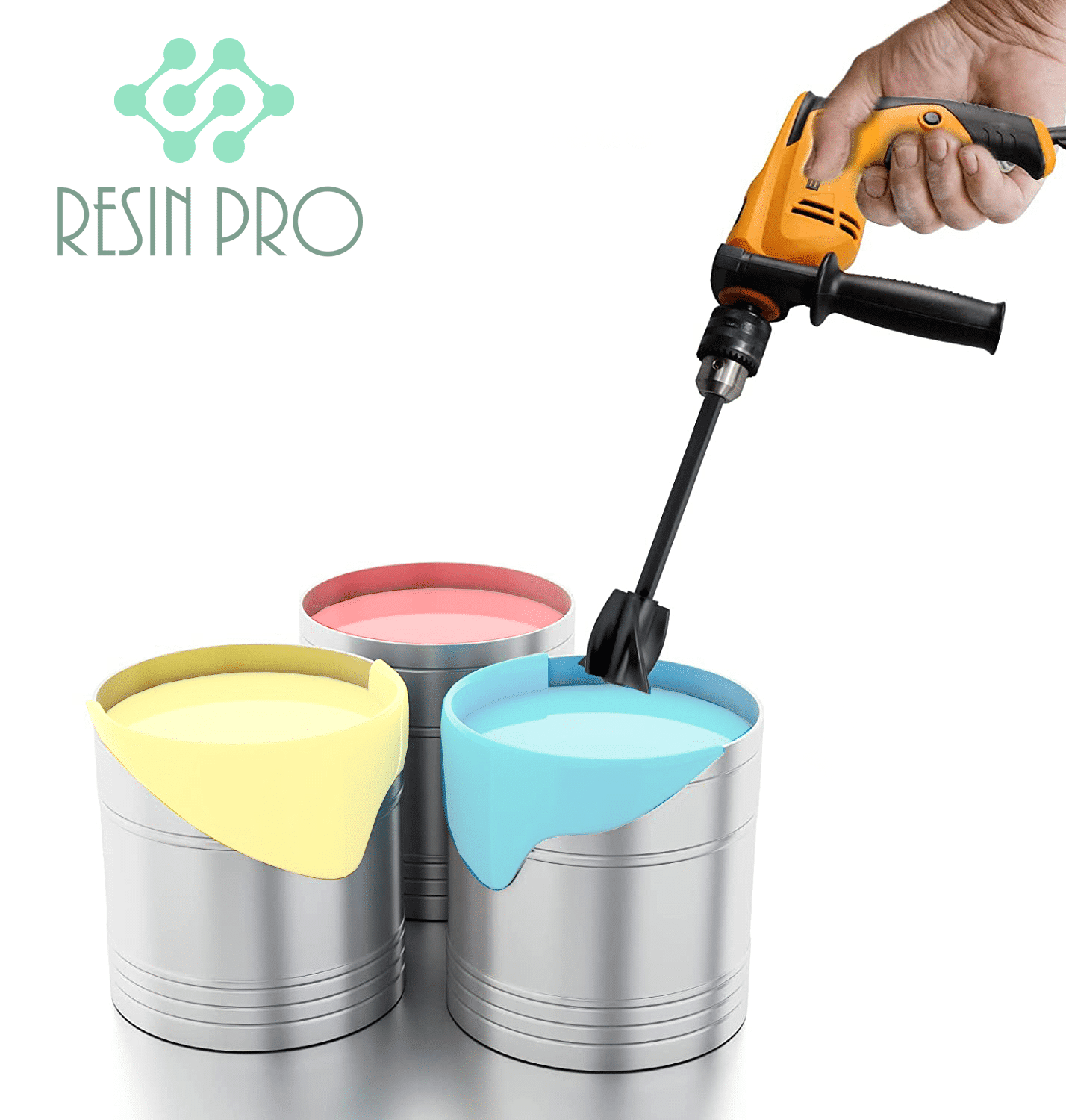
- Anti Bubble Mixer for Epoxy Resin – Reusable Mixing Tool: A gentle, reusable mixer designed specifically for epoxy resin, helping minimise bubble formation during mixing.
- Pure Isopropyl Alcohol 99.9% – 1000ml Bottle for Epoxy Resin Projects & DIY: For safely eliminating bubbles on the surface after pouring and for cleaning moulds before starting.
- Appropriate personal protective equipment (gloves, protective eyewear)
- Clean, dust-free work surface
- Mixing and pouring tools (cups, spatula, pipettes)
- Accurate digital scale (for measuring resin and hardener)
- Silicone moulds or formwork prepared for infusion

Mixing and Environmental Control for Resin Success
Maintaining an ideal temperature and a dust-free workspace is as crucial as proper mixing. Gentle stirring using the right tools ensures fewer bubbles, while environmental control prevents contaminants and resin defects. Take your time during preparation for immaculate results.
Step 1: Choose the right mixing technique
One of the primary causes of resin nests is improper mixing, which traps air inside the resin. Always measure the correct ratio of resin to hardener accurately using a digital scale. Mix slowly and deliberately to ensure the components are fully blended while reducing the risk of introducing excess air. Avoid vigorous or circular whipping motions that create bubbles. For best results, consider using the Anti Bubble Mixer for Epoxy Resin – Reusable Mixing Tool, which is specifically designed for gentle, efficient stirring that helps minimise air entrapment.
Step 2: Control the infusion environment
Ambient conditions significantly impact the formation of bubbles and resin nests. Work in a dust-free area at a stable temperature, ideally between 18–25°C. Excessive heat or humidity can accelerate curing and trap more bubbles before they reach the surface. Before starting, ensure all tools, moulds, and materials are clean and dry—leftover oils or debris can create pockets that foster nests. Cover your project during curing to prevent airborne dust or particles from settling into the resin.
Step 3: Layer and pour resin carefully
Poor pouring technique is another common culprit for resin nests. Pour the resin slowly in a thin, steady stream along the side of the mould. This method helps avoid splashing and keeps air intake minimal. In deeper infusions, pour in layers rather than all at once. Allow each layer to settle for several minutes; this gives any trapped bubbles a chance to rise naturally to the surface where they can be dealt with before the next application.
Step 4: Target bubbles after pouring
Once the resin is poured, inspect for surface bubbles and address them promptly. A fine mist of Pure Isopropyl Alcohol 99.9% can be applied via spray or dropper to help break surface tension and release trapped air without affecting the curing process. Never use solvents near open flames or active heat sources; ensure your area is well-ventilated, and allow the alcohol to evaporate fully before applying additional heat if needed for bubble removal. Avoid overworking the resin, as this can reintroduce bubbles and impact the finish.
Tips and Common Mistakes When Avoiding Resin Nests
Choose the right mixing technique and always mix slowly. Control the infusion environment by maintaining ideal temperature and cleanliness. Layer and pour resin carefully to let bubbles escape naturally. Target bubbles after pouring using isopropyl alcohol as needed. Watch out for over-mixing, sudden temperature changes, and contaminated tools—all common pitfalls resulting in unwanted resin nests in your finished piece.
- Anti Bubble Mixer for Epoxy Resin – Reusable Mixing Tool£4.45The Anti Bubble Mixer is designed for epoxy resin projects and helps achieve a professional finish without bubbles.
- Pure Isopropyl Alcohol 99.9% – 1000ml Bottle for Epoxy Resin Projects & DIYPrice range: £9.85 through £19.85Pure Isopropyl Alcohol 99.9% in a 1000ml bottle supports epoxy resin projects by helping remove bubbles and create effects.
Frequently Asked Questions
How do I avoid resin nests when pouring?
Pour resin slowly and in layers, allowing bubbles to escape between applications to prevent nests.
Does my mixing method create resin nests?
Vigorous or fast mixing traps air and increases the risk of nests. Gentle stirring is essential.
How do I use isopropyl alcohol safely for bubble removal?
Apply lightly on resin surfaces and avoid open flames. Allow full evaporation before using any heat tools.
Do room temperature and humidity affect resin nests?
Yes, extremes in temperature or humidity can make air bubbles harder to remove, increasing nest risk.
How important is tool cleanliness for resin infusions?
Unclean tools introduce oils and dust, which contribute to resin nest formation and reduced clarity.