 Free shipping on orders over £29,85
  Shipping Tracking!


 Google
 Facebook
← Back to How to Avoid Bubbles in Brush-On Resin
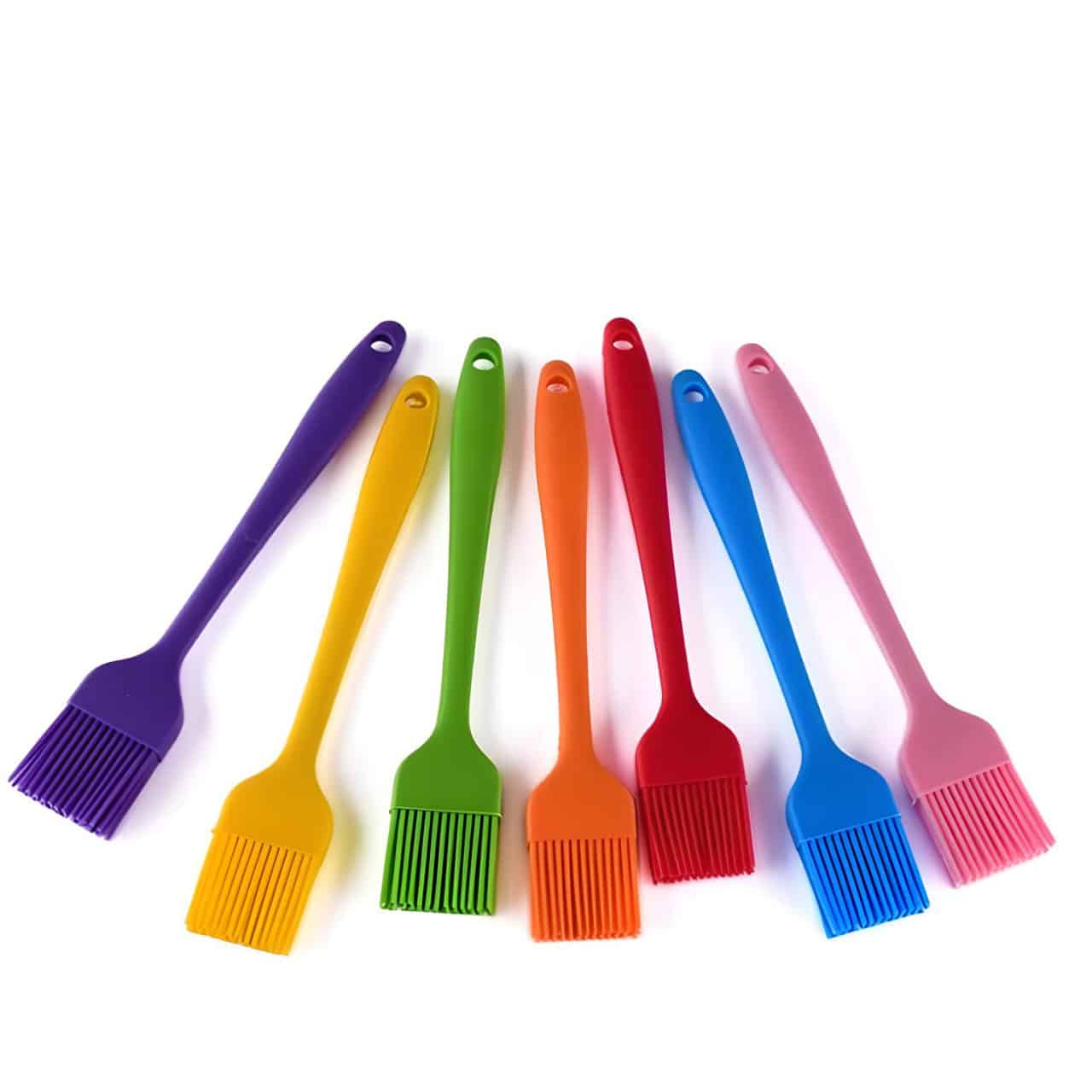
Choosing between a silicone or bristle brush can make a genuine difference to your brush-on resin results. Let’s look at why many crafters prefer silicone brushes when applying resin and how this choice affects your final finish.
Why Silicone Brushes Stand Out
Silicone brushes offer significant benefits over traditional bristle brushes for resin projects. Unlike bristle brushes, silicone does not shed, so you avoid loose hairs contaminating your work. The flexible silicone surface glides smoothly across resin, helping reduce the formation of trapped air and resulting bubbles. This even application means fewer imperfections and a more professional look, especially on flat surfaces or intricate pieces.
Practical Application and Cleaning
A well-designed silicone brush, such as the Reusable Silicone Resin Brush, allows you to apply resin with greater precision and control. After use, simply rinse with warm soapy water—no need for harsh solvents. Their reusability also means less waste, making them an eco-friendly option for regular resin artists and hobbyists.
When this Matters Most
Switching to silicone brushes is especially helpful when working on pieces where clarity and a flawless finish are priorities, such as art panels, jewellery, or wood surfaces. If you’re frustrated by bubbles or brush marks—and want simpler clean-up—a silicone brush can make the whole process easier and more predictable.
Related products
Related guides
Whether you’re aiming for perfectly clear results or just want a tidier, reusable tool, silicone brushes offer practical advantages over bristle options. Pairing the right brush with other techniques from our main bubble prevention guide helps you achieve your best resin results.