 Free shipping on orders over £29,85
  Shipping Tracking!


 Google
 Facebook
← Back to How to Avoid Bubbles in Brush-On Resin
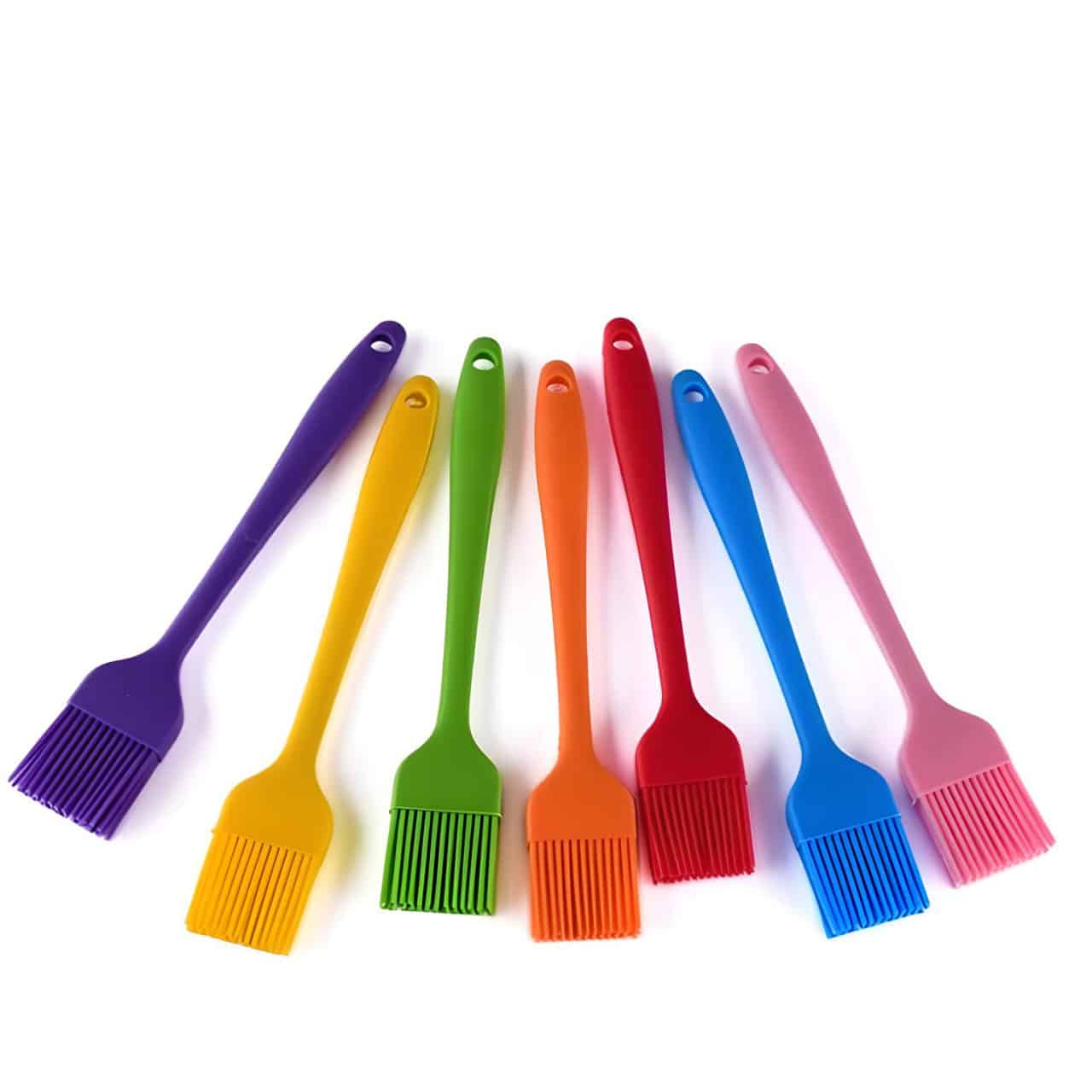
Layering brush-on resin requires patience for flawless results. Allowing each coat to cure briefly before topping up ensures a smooth, bubble-free finish and can greatly improve your project’s quality.
Why Curing Between Layers Helps Prevent Bubbles
When you apply the next layer of resin too soon, uncured areas from the previous coat can trap air, leading to unwanted bubbles and imperfections. Giving each coat a chance to partially cure creates a tacky but stable surface, allowing trapped gases to escape. This reduces the risk of bubbles being sealed under your top layers. Patience pays off, especially if you’re aiming for high-gloss, crystal-clear results.
How Long Should You Wait Between Layers?
The ideal waiting period depends on the specific resin and ambient conditions, but most brush-on types benefit from 20–40 minutes of curing time between coats. The surface should be firm yet slightly tacky—not fully hard—before you apply the next layer. This not only supports adhesion but also gives bubbles in the previous layer a chance to rise and pop at the surface first. Using a silicone resin brush can also help you achieve even layers without disturbing previous coats.
Techniques to Maximise Clarity and Smoothness
- Mix carefully: Use a gentle mixer like the Anti Bubble Mixer to reduce air introduction from the outset.
- Apply thin layers: Thinner coats are less likely to trap bubbles and cure faster, resulting in fewer imperfections.
- Finish with a bubble remover: Spritz a little pure isopropyl alcohol, such as Pure Isopropyl Alcohol 99.9%, onto the curing surface if any bubbles persist. This will help them dissipate before the resin hardens fully.
When This Matters Most
Allowing for partial curing is especially important when working with deep pours, intricate art effects, or projects needing ultra-clear results. Rushing layers can compromise both appearance and durability.
Related products
Related guides
By letting each resin layer cure briefly before adding the next, you’ll achieve beautifully smooth, bubble-free results. For more tips on achieving perfect finishes, explore our full guide on avoiding bubbles in brush-on resin.