 Free shipping on orders over £29,85
  Shipping Tracking!


 Google
 Facebook
← Back to How to Avoid Bubbles in Brush-On Resin
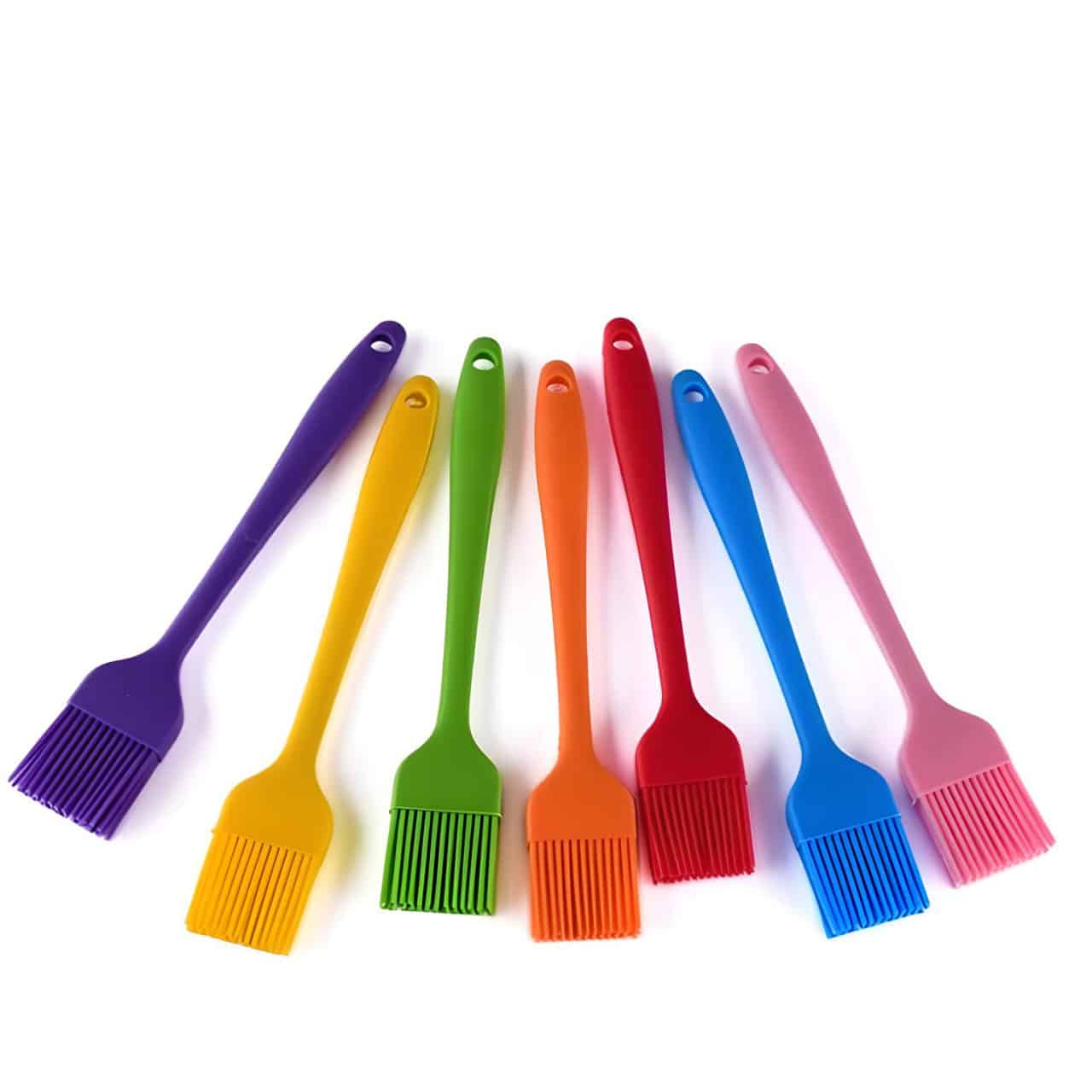
Using the right tools is essential for achieving smooth, bubble-free finishes when working with epoxy resin. Your tool choice directly impacts the quality of your resin project.
Why Tool Choice Matters in Epoxy Resin Application
The tools you use to apply and mix epoxy resin play a major role in determining the final look of your piece. Brushes, mixers, and even cleaning agents can make a difference in preventing unsightly bubbles and ensuring an even coat. For instance, a dedicated anti bubble mixer stirs resin gently, minimising air introduction, whereas traditional beaters may trap unwanted bubbles.
Recommended Tools for Smooth Results
- Silicone Brushes: Unlike standard bristle brushes, reusable silicone brushes glide smoothly and are easy to clean. Their flexibility enables a controlled application, reducing the risk of bubbles.
- Gentle Mixers: Using an anti bubble mixer helps to combine resin and hardener thoroughly without over-agitating, keeping your mixture lump- and bubble-free.
- Isopropyl Alcohol: Once the resin is applied, a few drops of high-purity isopropyl alcohol can be used to disperse surface bubbles for a flawless finish.
When This Matters Most
Careful tool selection is especially important for detailed art pieces, wood coatings, and any project where a crystal-clear surface is essential. Choosing the proper tools helps both beginners and experienced makers reduce waste and rework.
Related products
Related guides
Selecting the right tools for your epoxy resin application simplifies the path to professional, bubble-free finishes. For a comprehensive guide to avoiding bubbles, see our hub on how to avoid bubbles in brush-on resin.