 Free shipping on orders over £29,85
  Shipping Tracking!


 Google
 Facebook
How is resin flooring made?
Resin flooring combines technical robustness with striking decorative effects, making it a popular choice for driveways, pathways, patios, and even indoor environments. This guide walks you through the process of making resin flooring—ideal whether you are a keen DIYer or a professional seeking a thorough overview of the application and finishing techniques.
Step-by-step process for long-lasting, decorative resin floors

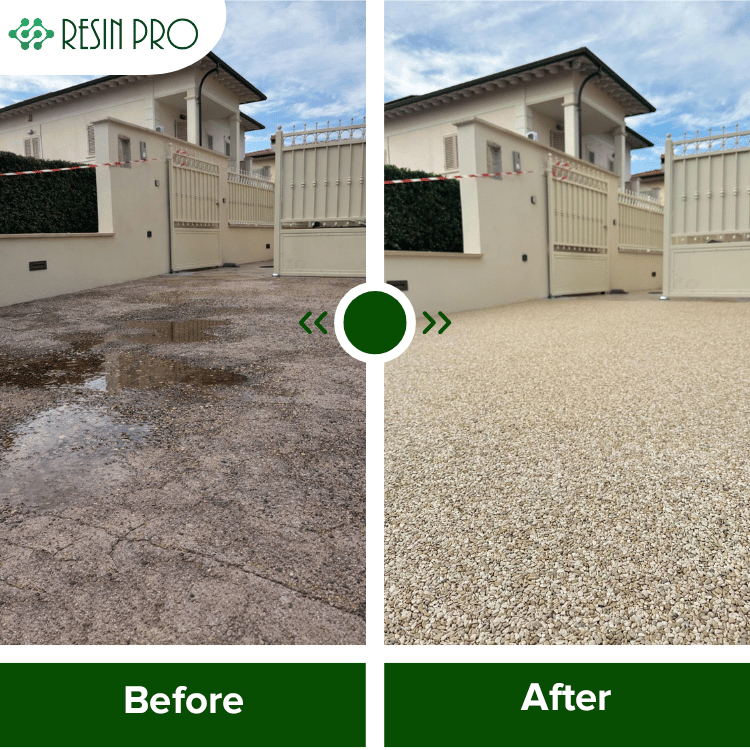
What You’ll Need
- “Epoxyprimer” – Universal Water-Based Two-Component Epoxy Floor Primer – for reliable substrate preparation
- “Trasparente” – Epoxy Binder for Coloured Pebbles and Grits – transparent resin binder for coloured aggregates
- “Polirock” – Polyurethane Binder for White Stones, 2kg Two-Component Kit – best for white or natural aggregates
- Selected decorative pebbles or grits – washed and dried
- Mixing buckets and trowel or spatula
- Protective gloves and mask
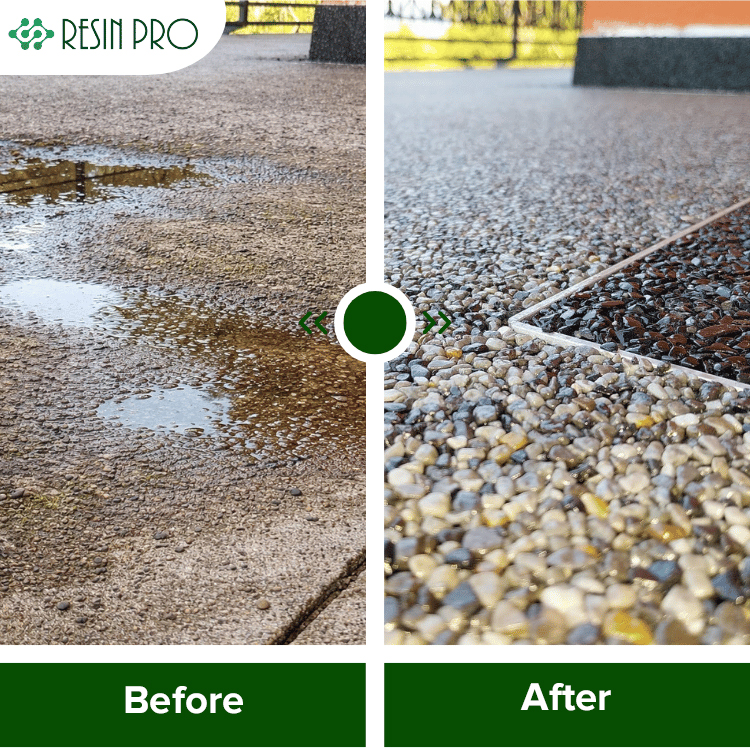
Visual Guide to Resin Flooring Steps
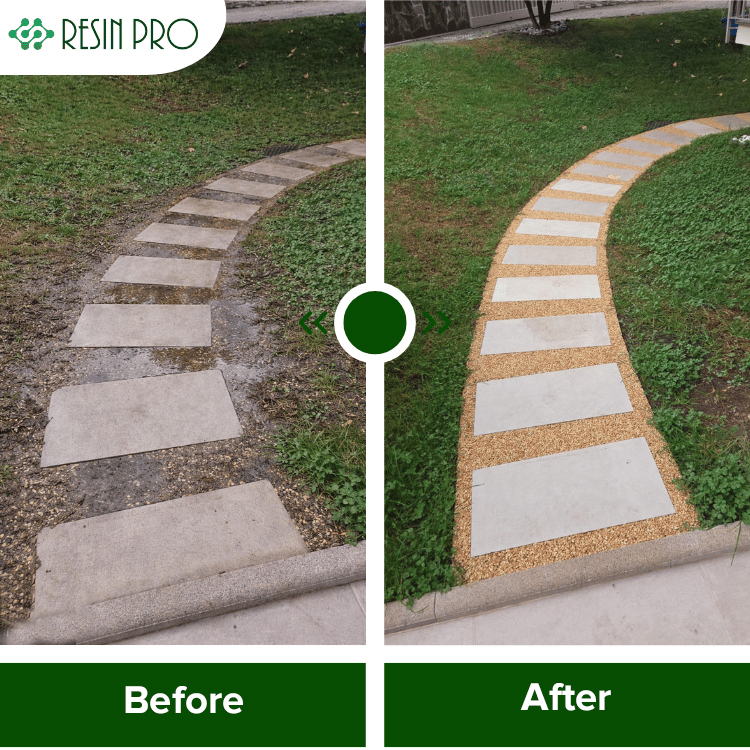
Step-by-step photographs and close-up images demonstrate the transformation from surface preparation to the final spread of the resin-aggregate mix, highlighting consistency and finish quality.
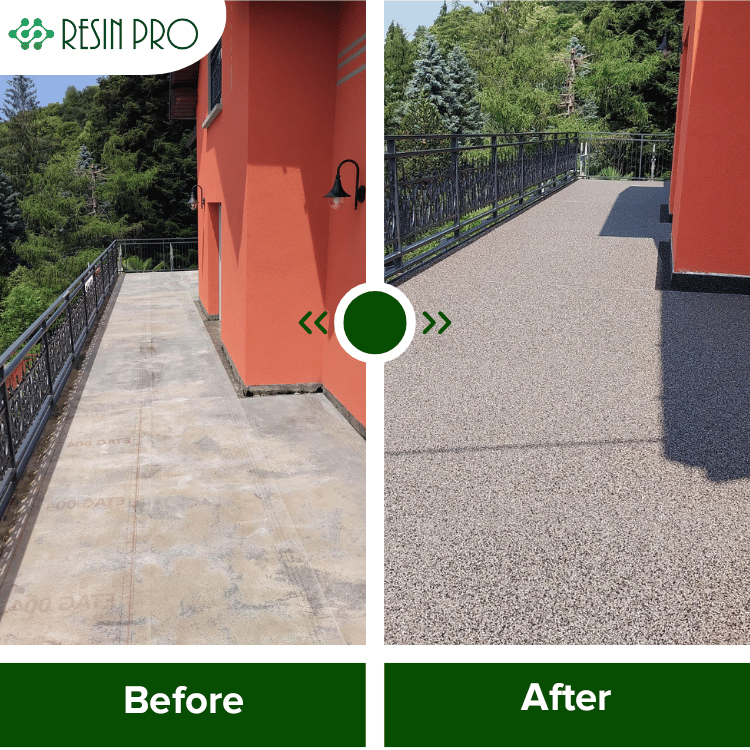
Step 1: Prepare the Substrate
The initial base needs to be fixed, stable, and clean. Suitable substrates include concrete, timber, tiles, or screeds. Begin by thoroughly sweeping and, if necessary, washing the area. Remove any grease, dust, or loose debris, as these can affect adhesion.
Once the surface is dry, apply “Epoxyprimer” – Universal Water-Based Two-Component Epoxy Floor Primer using a roller or brush for even coverage. Allow the primer to cure completely—this takes 24 to 48 hours depending on conditions. Properly priming maximises bonding between your substrate and subsequent resin layers, helping prevent future lifting or peeling.
The surface must be stable, dry, and free from dust or grease at this stage for best results.
Step 2: Prepare the Resin and Aggregate Mix
Choose your aggregate and the correct binder. For coloured or dark pebbles, a transparent epoxy such as “Trasparente” – Epoxy Binder for Coloured Pebbles and Grits is ideal. If working with white or light stones, use “Polirock” – Polyurethane Binder for White Stones for a non-yellowing, clear result.
Measure the correct resin-to-aggregate ratio following manufacturer guidelines, usually around 6–8 kg of aggregate per 1 kg of binder. Mix thoroughly in a clean bucket. Plan your work according to open time—once mixed, the resin will gradually set, so use and apply it promptly.
Use a slow-speed mixer to combine, gradually adding the resin to coat all granules evenly. Take care to avoid trapping air in the mix to maintain a smooth, bubble-free finish.
Step 3: Lay and Finish the Resin Floor
Pour your mixed aggregate and resin onto the primed area. Use a trowel or spatula to spread the mixture, pressing gently to form a compact, level layer. Aim for consistent thickness—generally 1–2 cm for paths and driveways, or as specified for your application.
For larger outdoor areas, you might find it easier to mix and lay in sections, ensuring each area blends seamlessly with the next. Tamp and smooth the surface for an even result with your chosen finish. Consider adding slip-resistant textures by lightly broadcasting clean, dry aggregate if required for safety.
Check your edges and join areas for neatness before the resin sets. A clean finish here will keep the floor looking professional and neat.

Step 4: Allow for Proper Curing
Let the installed resin floor cure undisturbed according to the product guidelines. Avoid heavy use, foot traffic, or rain exposure until the resin is fully set. Epoxy systems generally require 24–48 hours for light use and up to seven days for full chemical resistance and hardness.
Proper curing ensures maximum strength and longevity, preventing premature damage. Always check atmospheric requirements – avoid very low/high temperatures or high humidity during curing.
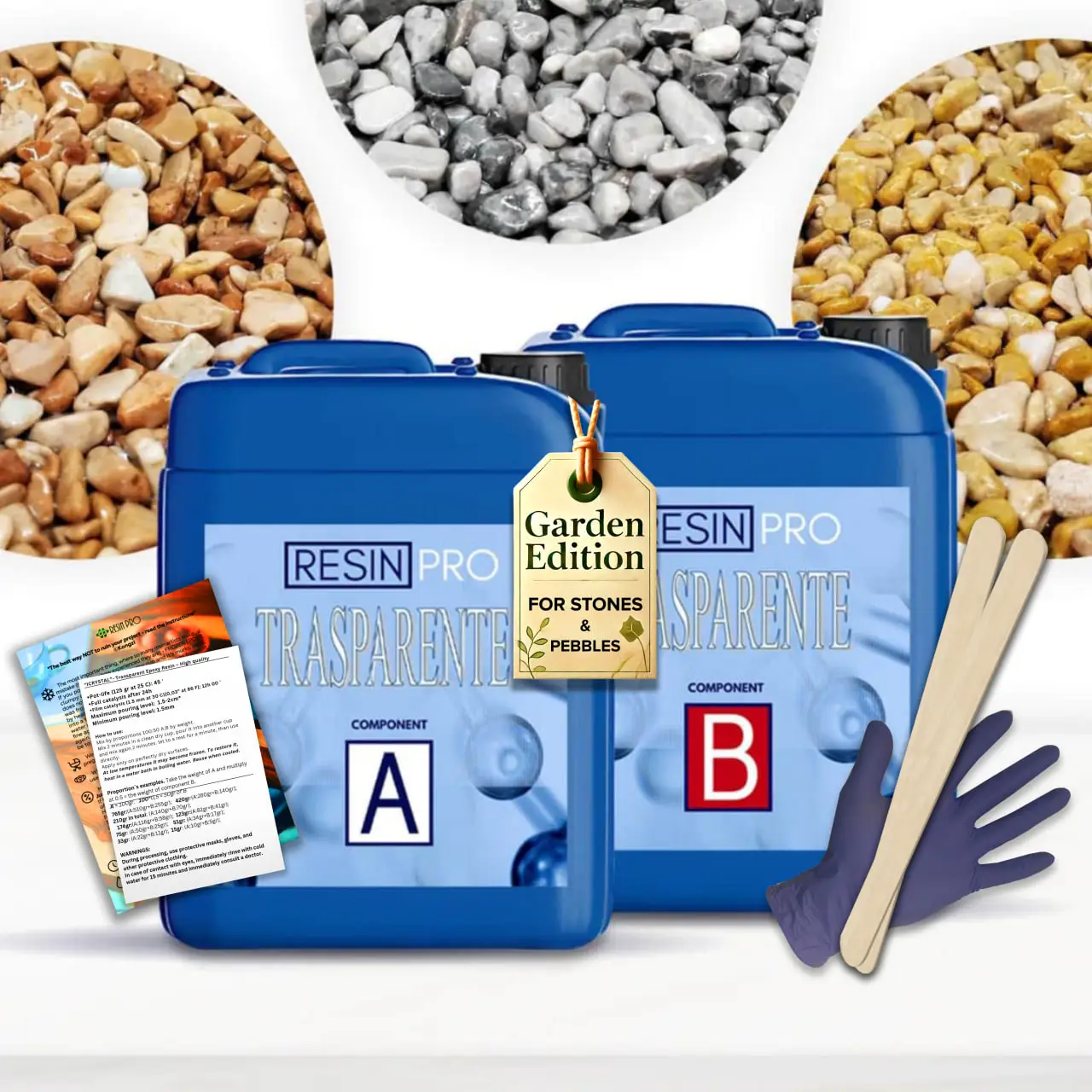
Tips and Common Mistakes
Always work in well-ventilated areas and wear suitable protective equipment when handling resins and primers. Do not rush the surface preparation—improper cleaning or priming is a common cause of flooring failure. Plan resin mixing and application efficiently to avoid waste or premature setting.
When using different binders, always check compatibility with your chosen aggregates. For seamless finishes, blend sections promptly while the resin is still workable. If in doubt, test a small patch before full application.
Project Showcase: Decorative Resin Surfaces
Explore completed resin flooring projects using coloured pebbles and white stones, showcasing different aggregate mixes, finishes, and outdoor settings for inspiration.
- "Flowstone" – Complete Permeable Floor Kit with Pebbles and ResinPrice range: £42.85 through £3,389.85"Flowstone" Floor Kit provides a durable, permeable pebble and resin solution with guidance for resin use and simple application.
- "Trasparente" – Epoxy Binder for Coloured Pebbles and GritsPrice range: £31.85 through £948.85A transparent epoxy binder designed for coloured pebbles and grits, providing a clear, bubble-free finish with UV resistance.
 "Epoxyprimer" – Universal Water-Based Two-Component Epoxy Floor PrimerPrice range: £148.84 through £272.45Epoxyprimer is a water-based two-component epoxy floor primer suitable for concrete, timber, tiles, and screeds, designed for reliable adhesion.
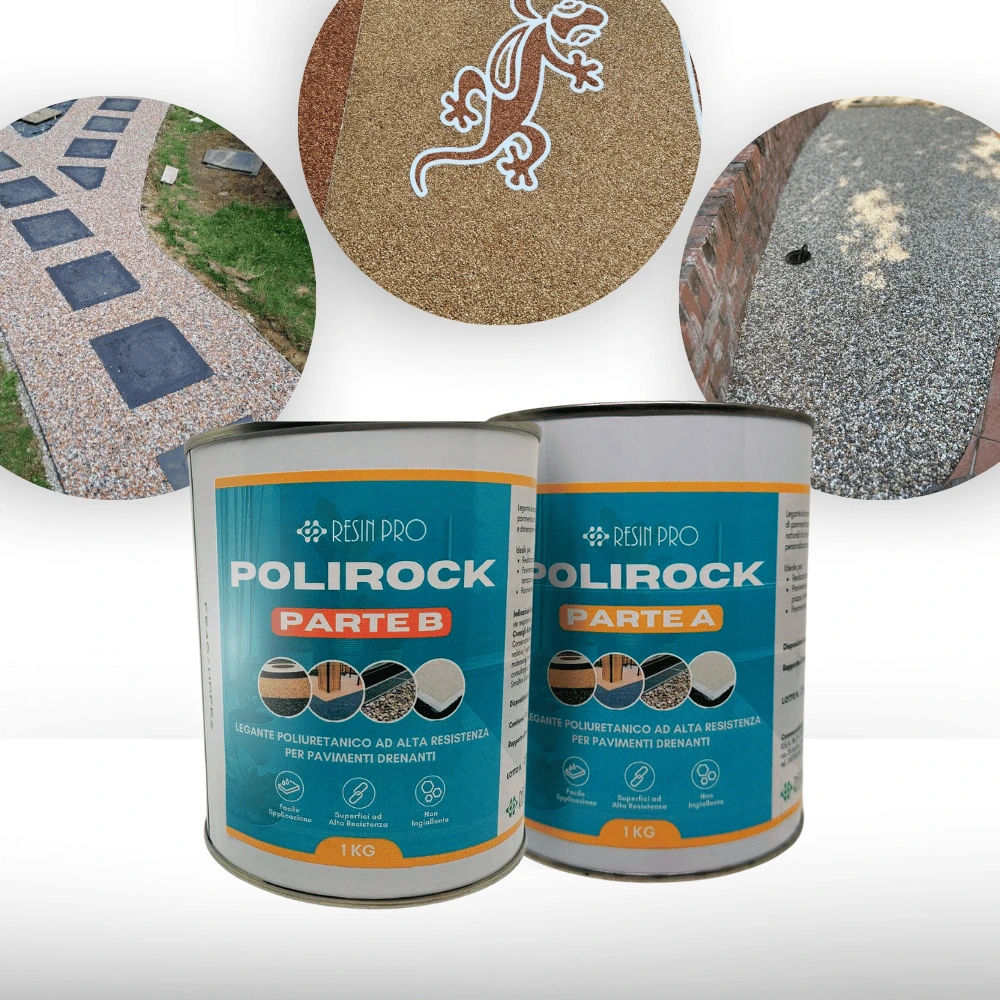 "Polirock" – Polyurethane Binder for White Stones, 2kg Two-Component Kit£58.85POLIROCK is a two-component polyurethane binder suitable for durable, decorative outdoor stone surfaces with resistance to weather and yellowing.
Frequently Asked Questions
What substrate preparation is required for resin flooring?
Surfaces must be stable, clean, and dry. Using a designated epoxy primer will help ensure perfect adhesion and long-term durability.
Which resin binder should I use for pebble floors?
Use a transparent epoxy like 'Trasparente' for coloured pebbles or a non-yellowing polyurethane such as 'Polirock' for white stones.
How long does resin flooring take to cure?
Initial cure takes 24–48 hours for light traffic. Full chemical resistance and hardness may require up to seven days.
Can I install resin flooring myself?
Yes. With careful preparation and step-by-step guidance, both DIYers and professionals can achieve successful results.
Are resin floors suitable for outdoor use?
Yes. Resin-bound surfaces are ideal for driveways, patios, and paths if installed with proven UV-resistant binders and correct techniques.
How do I prevent yellowing on white stone floors?
Select a non-yellowing polyurethane binder such as 'Polirock' to maintain clarity and appearance over time.