 Free shipping on orders over £29,85
  Shipping Tracking!


 Google
 Facebook
How to Have Children Build Small Objects with Resin
A step-by-step guide to fun and safe resin crafting for kids


Creating small resin objects is a delightful way to engage children in hands-on arts and crafts while nurturing their creativity. This guide covers the complete process for safe, enjoyable resin crafting with kids, highlighting the right techniques and essential precautions to ensure a rewarding experience for both adult supervisors and young makers.
What You’ll Need
- “Evershine Collection” – Artisan Jewellery Epoxy Resin Kit with 100+ Accessories: A comprehensive kit providing clear resin and varied silicone moulds, ideal for beginners and versatile projects.
- UV Resin Kit with 5 Christmas Silicone Moulds for Festive Crafting: Includes themed silicone moulds and fast-curing UV resin, suitable for festive or quick sessions.
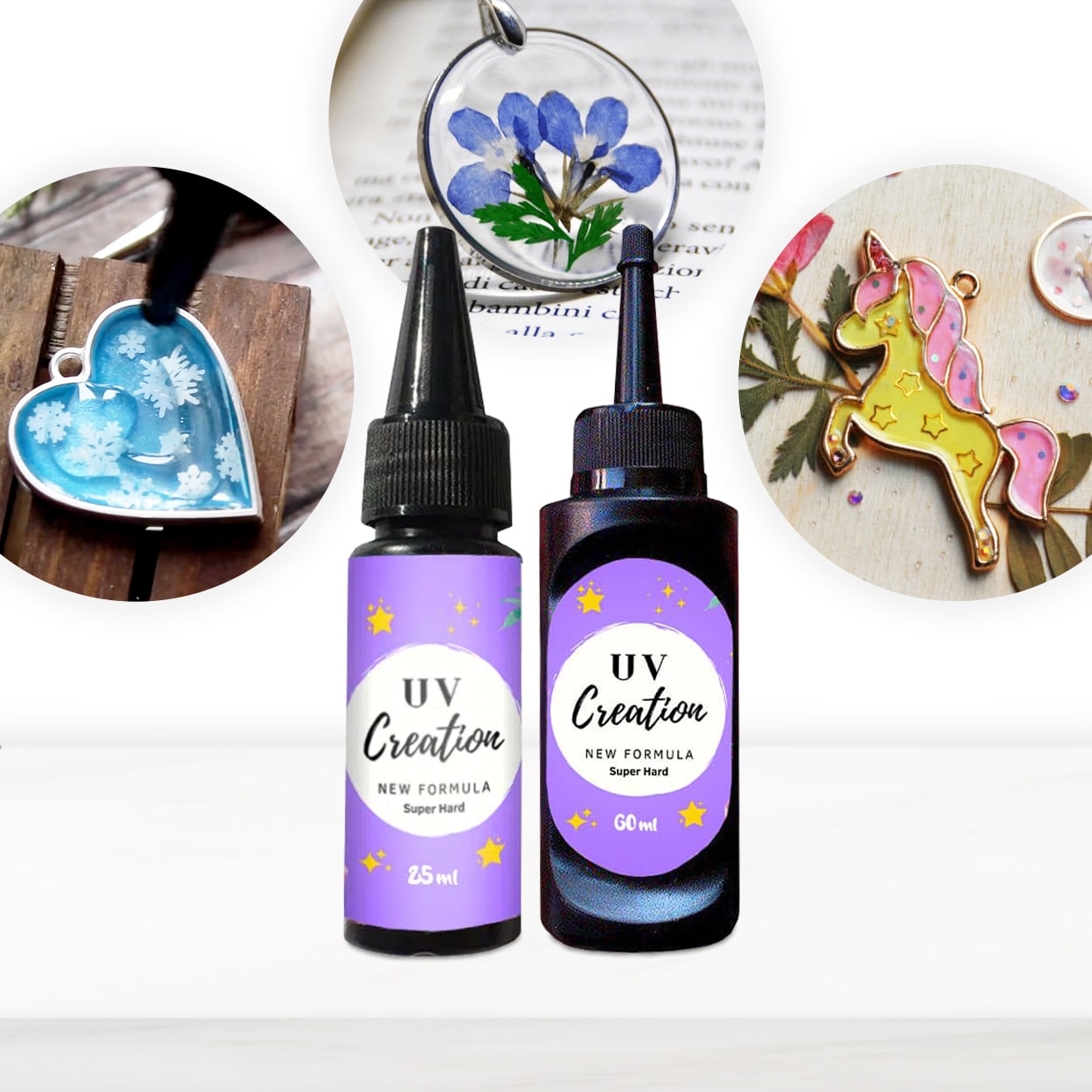
- “UV–Creation” – Fast Acrylic Resin, 3 Minute UV Cure: For rapid results on small or layered details.
- “One-2-One” – Epoxy Resin for Handcraft, 1:1 Mixing Ratio: Offers non-toxic, crystal-clear finish for various decorative objects.
- Nitrile gloves, aprons, and protective table coverings
- Silicone moulds, mixing cups, and wooden stirrers
- Paper towels and baby wipes for spills
- UV lamp (when working with UV resin kits)
- Optional: pigments, glitters, dried flowers, charms for decoration

Crafting with Resin: Getting Started
Begin each session by emphasising safety and organisation. Laying out materials, using gloves, and keeping the workspace tidy are crucial steps. Encourage children to express their ideas and collaborate when choosing designs or decorations—it makes the process more enjoyable and helps them take pride in their creations.

Step 1: Prepare Your Workspace and Safety Measures
Begin by choosing a spacious, well-ventilated area, ideally with a flat table. Cover the table with a protective sheet or disposable tablecloth. Always supervise children closely when working with resin, as uncured resin should not come into direct contact with skin. Equip everyone with nitrile gloves and aprons. Open windows where possible for fresh air, and ensure any food or drinks are kept away from the workspace.
Protect all surfaces and ensure proper ventilation to minimise risk. Organise your tools, moulds, and decorative items so everything is within easy reach, preventing unnecessary movement during the process.
Step 2: Plan and Choose Moulds and Decorations
Before working with any resin, decide on the object you wish to create—be it a pendant, keyring, magnet, or decorative trinket. Ask the children to select their favourite silicone moulds. Opt for simple silicone moulds and easy-mix or UV-cure resins to make the crafting session smoother and more enjoyable.
Let kids choose pigments, glitters, or floral inclusions in advance. Arrange all decorative elements in small trays or containers for easy access during pouring, which helps maintain focus and minimises spillage.
Step 3: Mix or Dispense Resin Carefully
When using a 1:1 epoxy resin (such as “One-2-One” – Epoxy Resin for Handcraft, 1:1 Mixing Ratio), have an adult measure equal parts of resin and hardener, then pour both into a clean mixing cup. Stir slowly with a wooden stick for several minutes, scraping down the sides. This ensures an even consistency without air bubbles.
If you are working with UV resin kits (like UV Resin Kit with 5 Christmas Silicone Moulds for Festive Crafting or “UV–Creation” – Fast Acrylic Resin, 3 Minute UV Cure), squeeze the ready-to-use resin carefully into the moulds. Never let children handle uncured resin directly; adults should assist with any pouring or dispensing.
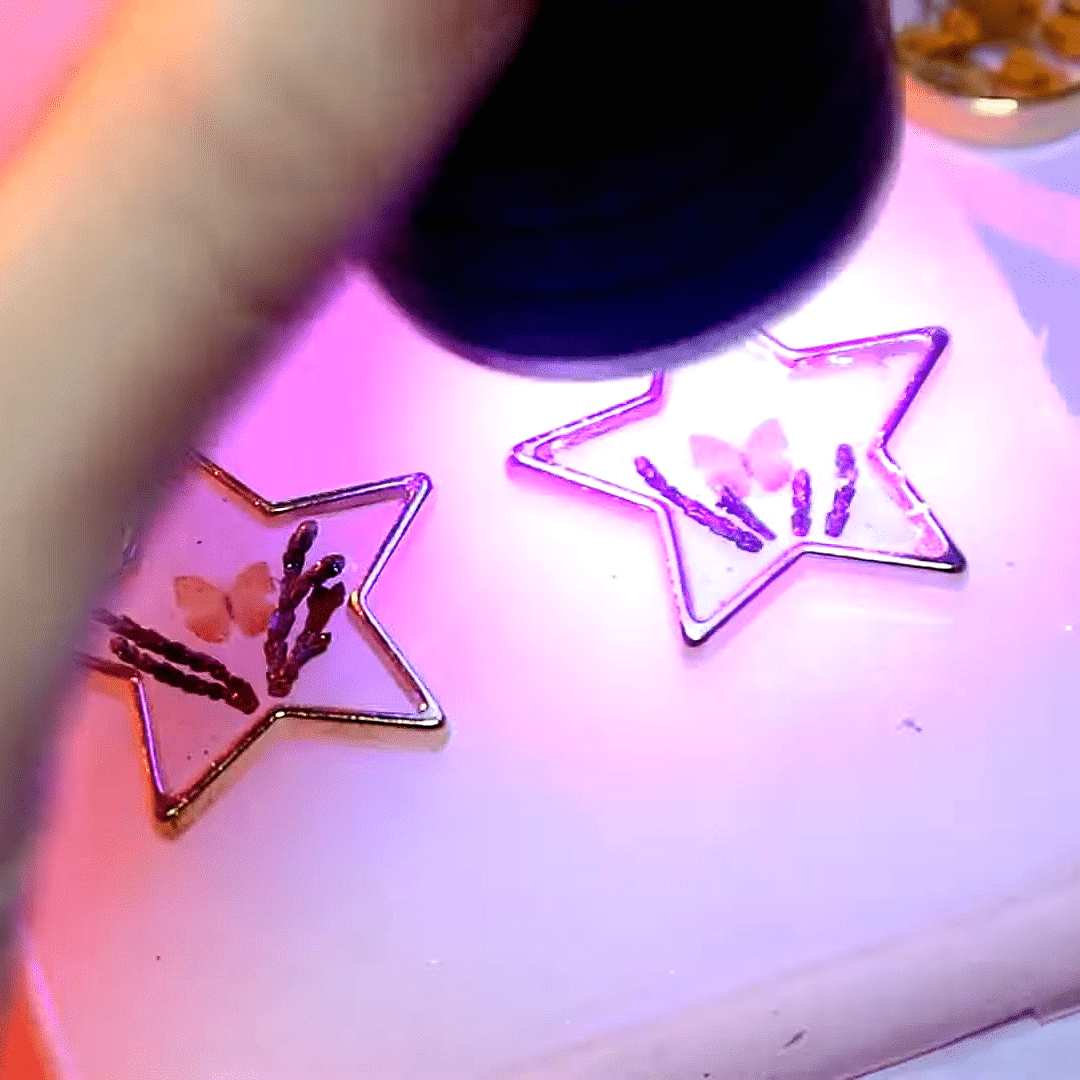
Step 4: Pour Resin and Add Finishing Touches
Guide children to fill the silicone moulds up to two-thirds full. Gently place their chosen flowers, glitter, or tiny charms into the wet resin. Top up with additional resin if needed, until the surface is level. Encourage youngsters to use toothpicks or sticks to reposition their decorative elements for best effect.
When using UV-cure products, place the filled moulds beneath the UV lamp for the manufacturer-recommended time. For two-part epoxy, set the filled moulds aside on a level surface to cure, ensuring they remain undisturbed.
Step 5: Demould and Inspect Finished Objects
Once the resin has fully cured (see product instructions for approximate times), carefully flex the moulds to release the small objects. Inspect each piece for sharp edges or tacky areas. If any pieces need extra finishing, lightly sand the edges or re-cure under the lamp. Clean any sticky spots with baby wipes, being mindful not to let children touch uncured surfaces.
Attach findings, keychains, jump rings, or ribbons as desired. Celebrate the completed resin art by allowing kids to display or gift their creations.
Tips and Common Mistakes to Avoid
Simple silicone moulds and supervision help make resin safety paramount. Avoid overfilling moulds—excess resin leads to spills and irregular edges. Instruct children to add decorations gently and avoid poking too strongly, which can create air pockets. Never rush the curing process, as handling uncured resin can result in stickiness or exposure risks.
Keep sessions short and focused to maintain attention and reduce the risk of accidents. Always dispose of resin waste and used gloves safely. Reward the clean-up as part of the creative process.
Encouraging Confidence in Young Resin Artists
Let children display their finished resin objects as decorations or gifts. Praising their creativity and attention to safety helps them become more confident and careful crafters. Always provide guidance during tricky steps and celebrate every unique result.

- "Evershine Collection" – Artisan Jewellery Epoxy Resin Kit with 100+ Accessories£20.85"Evershine Collection" offers a clear 1:1 epoxy resin set designed with accessories, suitable for jewellery crafting beginners and enthusiasts.
- UV Resin Kit with 5 Christmas Silicone Moulds for Festive CraftingPrice range: £14.85 through £25.85This kit includes clear, fast-curing UV resin and five Christmas-themed silicone moulds, suitable for creating festive objects.
- "UV–Creation" – Fast Acrylic Resin, 3 Minute UV CurePrice range: £7.85 through £59.85UV–Creation is a fast curing UV resin suitable for jewellery making with a clear, glossy finish.
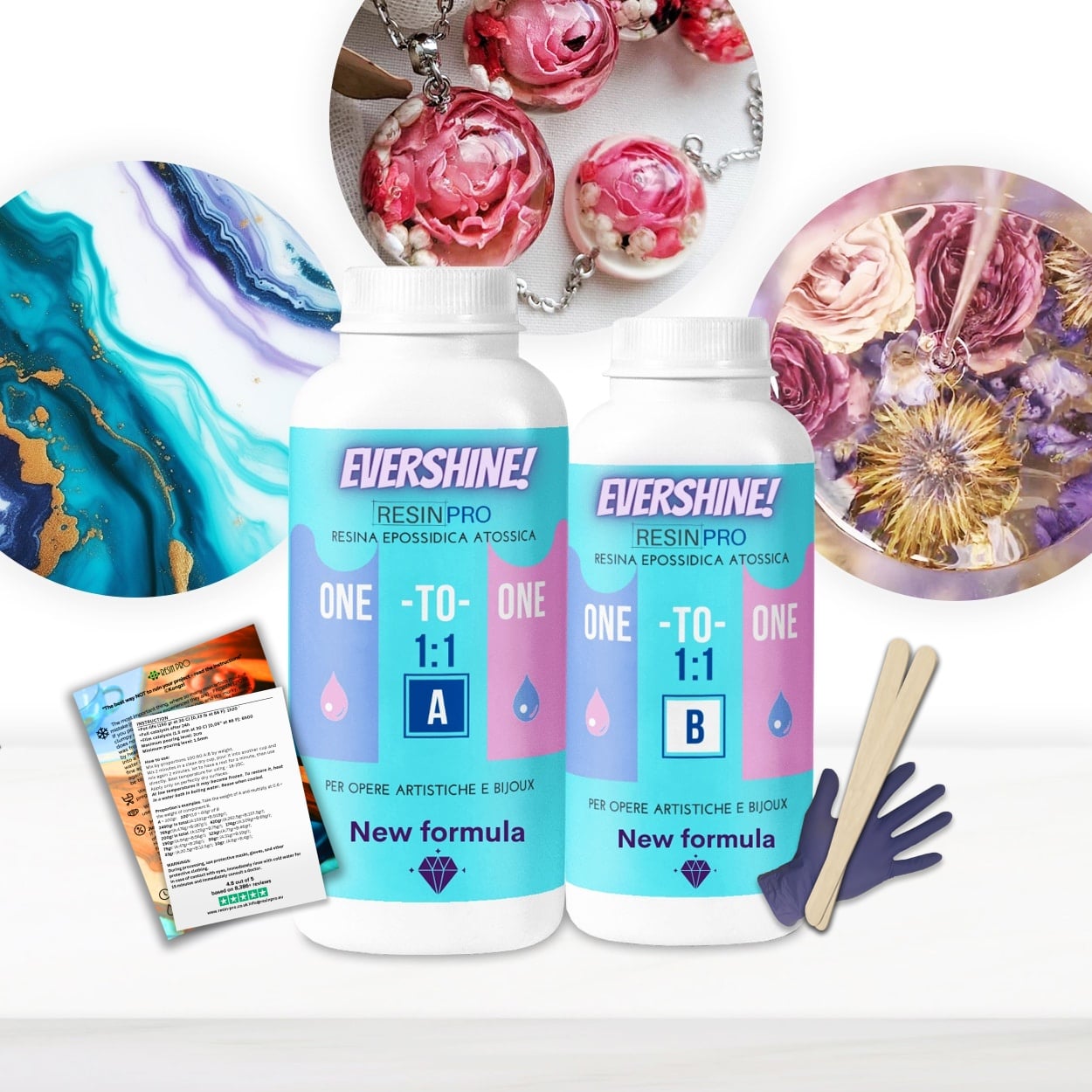 "One-2-One" – Epoxy Resin for Handcraft, 1:1 Mixing RatioPrice range: £14.85 through £56.85"One-2-One" is a medium viscosity, non-toxic resin with an easy 1:1 mixing ratio, suitable for jewellery and detailed decorative projects.
Frequently Asked Questions
Is resin safe for children to use?
With strict adult supervision, protective gear, and careful handling, selected resins can be used for children’s small crafts.
What is the best resin for children's small projects?
Opt for easy 1:1 mix epoxy or UV-cure resins that are non-toxic and quick to set, with simple instructions.
Do children need to wear gloves when working with resin?
Yes, both children and adults must wear suitable gloves at all times when handling liquid resin.
How long does resin take to cure for small items?
UV resins usually cure in a few minutes under a lamp, while epoxy resins may need several hours or overnight depending on type.
What safety precautions should be taken when using resin with children?
Always supervise, wear gloves and aprons, ventilate the area, and never allow children to touch uncured resin.
How do you prevent bubbles and sticky results in child resin projects?
Mix resin slowly to avoid bubbles and always allow full curing before demoulding or handling the finished pieces.