 Free shipping on orders over £29,85
  Shipping Tracking!


 Google
 Facebook
← Back to How to make resin adhere to metal?
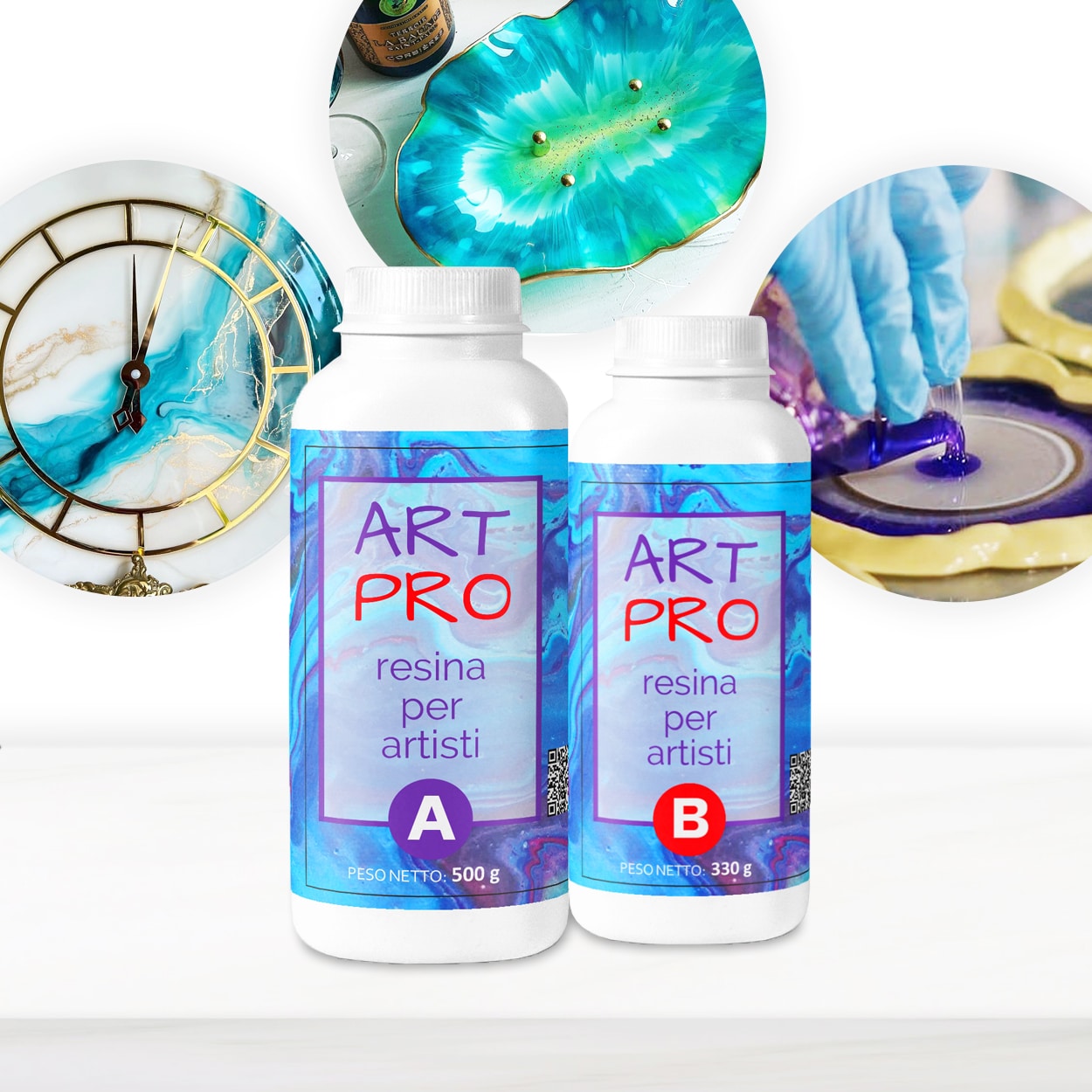
Building up layers of resin over metal is possible and can produce a beautiful, strong, and smooth finish. Here’s how to do it effectively for decorative or protection purposes.
Proper Layering Technique
To achieve good adhesion and an even build-up, apply your first layer of resin evenly over the clean, dry metal. Allow this layer to cure fully as recommended by the resin manufacturer. Once set, lightly sand the surface with fine-grit sandpaper; this creates micro-abrasions, giving subsequent layers something to grip onto.
Wipe away any dust before pouring the next coat. Repeat this process for as many layers as required to reach your desired thickness. For best results, maintain a minimum layer thickness if advised in the resin’s instructions—Art Pro epoxy resin performs well in coats from 1.5mm upwards.
Choosing the Best Resin
Selecting the right resin is important when coating metal with several layers. Opt for a formula that offers clarity, durability, and easy mixing. Artistic epoxies like Art Pro are designed for high-gloss, protective surface coatings and are suitable for layering. For smaller DIY or craft projects, the One-2-One epoxy provides a simple 1:1 mixing ratio. Always check cure times to plan your project timeline accordingly.
When Multiple Coats Matter
Layering resin is especially valuable when you want to enhance scratch protection, increase thickness for visual depth, or add structural integrity to decorative metal surfaces. It’s also useful for levelling out imperfections between coats or embedding elements between layers for creative projects.
Related products
Related guides
Mastering multi-layer resin techniques helps you achieve impressive finishes on metal. For more tips on ensuring resin adheres well to metal, explore the full guide on resin-metal adhesion.