 Free shipping on orders over £29,85
  Shipping Tracking!


 Google
 Facebook
How to make resin adhere to metal?
Creating a secure bond between resin and metal is essential for long-lasting jewellery, repairs, and decorative projects. This guide walks you through proven methods to make resin adhere reliably to metal, focusing on surface preparation, mixing, application, and curing. Whether you’re working on creative crafts or practical fixes, careful technique will guarantee lasting results.
Essential steps for reliable resin bonding on metal items


What You’ll Need
- “Klebfix” – Two-Component Fast Epoxy Glue 2K, 25g Syringe: A rapid-setting, strong adhesive ideal for direct metal bonding.
- “One-2-One” – Epoxy Resin for Handcraft, 1:1 Mixing Ratio: Suitable for decorative coatings and jewellery on metal surfaces.
- “ICreation” – Fast Epoxy Resin, 6h Demoulding, Transparent Gloss Finish: Great for projects where speed is essential.
- “Art Pro” – Clear Epoxy Resin for Artists and Surface Coating: Designed for clear, durable coats on artistic metal items.
- Fine-grit sandpaper or steel wool
- Lint-free cloth
- Isopropyl alcohol or acetone
- Disposable gloves
- Mixing containers and stir sticks

Visual Guide: Preparing Metal for Resin Application
Proper cleaning and surface abrasion are crucial for strong resin bonding to metal. See real project images highlighting cleaning, sanding, and initial resin application steps. Notice the difference in finish when both cleaning and roughening are performed correctly.
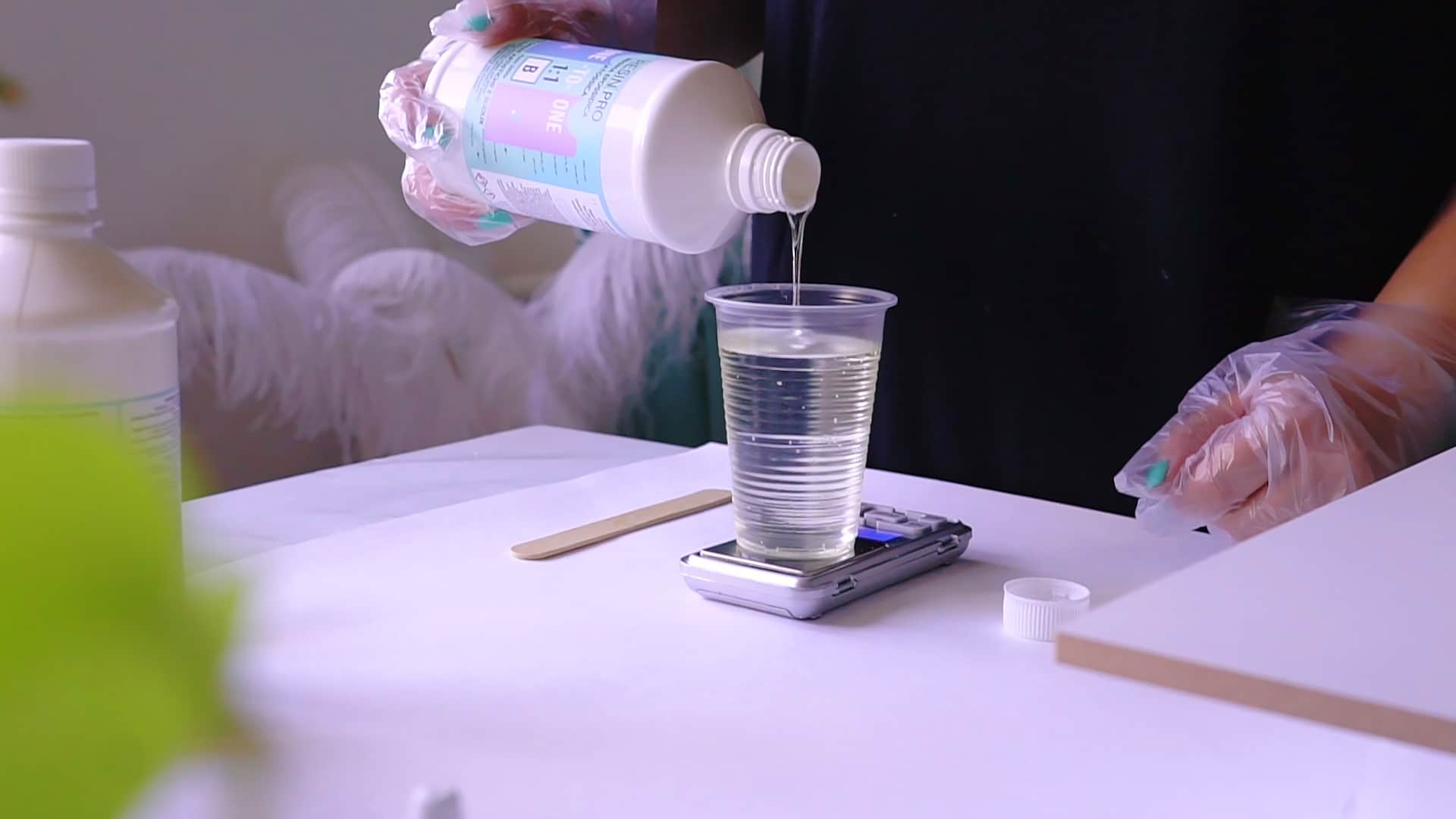
Step 1: Prepare and Clean the Metal Surface
Ensure metal is clean and degreased. Oils, dust, or fingerprints are the main reasons resin may fail to bond properly. Begin by cleaning the metal thoroughly with isopropyl alcohol or acetone using a lint-free cloth. This process removes surface contaminants and allows for a direct adhesive contact. Take extra care not to touch the surface with bare hands after cleaning, as skin oils can weaken the bond.
Slightly roughen the surface to increase adhesion. Use fine-grit sandpaper or steel wool to gently abrade the metal, creating tiny scratches for the resin to grip. Wipe away debris after sanding with a clean, dry cloth to prevent particles from interfering with the resin layer.
Step 2: Mix the Resin Components Precisely
For best results, always measure resin and hardener carefully according to product instructions. Inaccurate ratios can prevent proper curing and weaken the adhesive bond. For example, “One-2-One” – Epoxy Resin uses a 1:1 mixing ratio, while “Art Pro” – Clear Epoxy Resin is mixed 3:2. Mix in a clean container with a stir stick, scraping the sides and bottom for even incorporation.
Some projects, especially quick repairs, may benefit from a dedicated adhesive like “Klebfix” – Two-Component Fast Epoxy Glue 2K, which features an easy 1:1 dosing syringe for fast and precise mixing applied directly to metal join areas.
Step 3: Apply Resin Promptly and Evenly
Apply resin promptly and evenly after mixing, as working time can be limited (some resins set within minutes). Pour or spread the resin smoothly across the prepared metal, ensuring consistent coverage. For decorative pieces, use a brush or a fine dropper to reach detailed areas, avoiding excess which could drip or pool.
If using a rapid-curing option such as “ICreation” – Fast Epoxy Resin, work efficiently—this resin demoulds in as little as six hours, ideal for urgent craftwork or layered artistic coatings on metal bases.

Step 4: Allow Full Curing and Finish as Needed
Allow full curing to maximise bond strength. Cure times range from a few hours for fast-setting glues to up to 24 hours for thicker or more durable coatings. Protect the bonded item from dust, movement, and moisture during this period.
Once cured, inspect the surface for clarity and adhesion. Additional resin layers can be added for a thicker or glossier finish, especially with products like “Art Pro” – Clear Epoxy Resin for artistic applications. Sand lightly between coats if required for optimal results.
Tips, Troubleshooting, and Common Mistakes
Temperature, humidity, and surface contaminants are the main sources of adhesion problems. Always work in a dry, dust-free space with stable temperatures for best results. Avoid rushing preparation or mixing steps, as shortcuts here often lead to weak bonds.
If the resin lifts or peels, review cleaning and surface roughening procedures. For stubborn metals, a primer specific for metal surfaces or an epoxy glue such as “Klebfix” – Two-Component Fast Epoxy Glue 2K provides extra reassurance. Always allow full cure before handling and keep the project dust-free.
Bonding Resin to Metal—Real Results and Finishing Touches
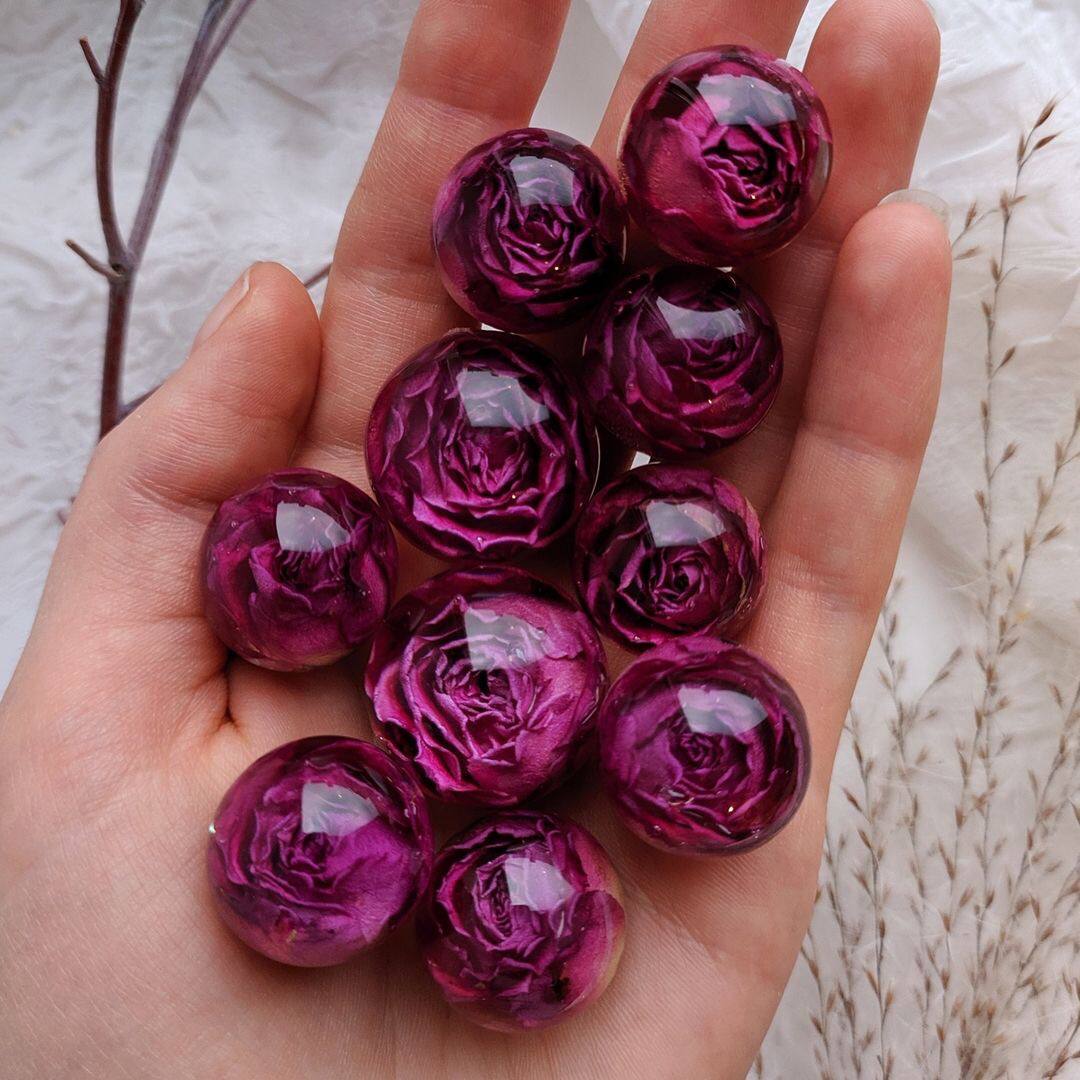
Review before-and-after examples of metal items bonded or coated with resin. Inspect clear, glossy finishes on jewellery and functional items. Art Pro epoxy resin demonstrates professional-grade visual clarity on a variety of metal surfaces.
- "Klebfix" – Two-Component Fast Epoxy Glue 2K, 25g Syringe£22.85"Klebfix" 2K Fast Epoxy Glue bonds metals and various materials with professional strength. Designed for reliable repairs under the theme.
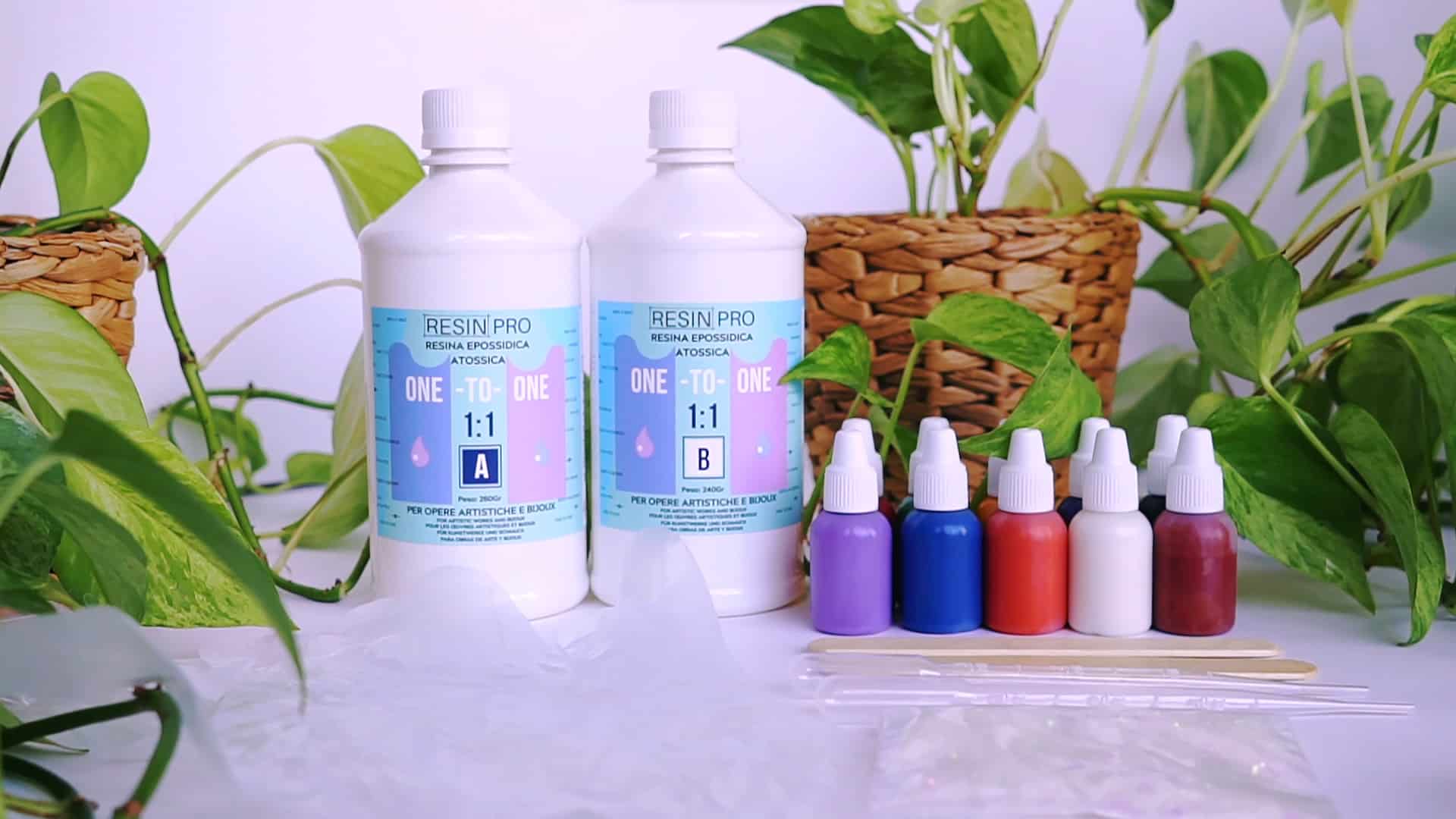
- "One-2-One" – Epoxy Resin for Handcraft, 1:1 Mixing RatioPrice range: £14.85 through £56.85"One-2-One" epoxy resin is a medium viscosity formula for beginners and crafters, designed for jewellery and decorative projects with a clear, glossy…
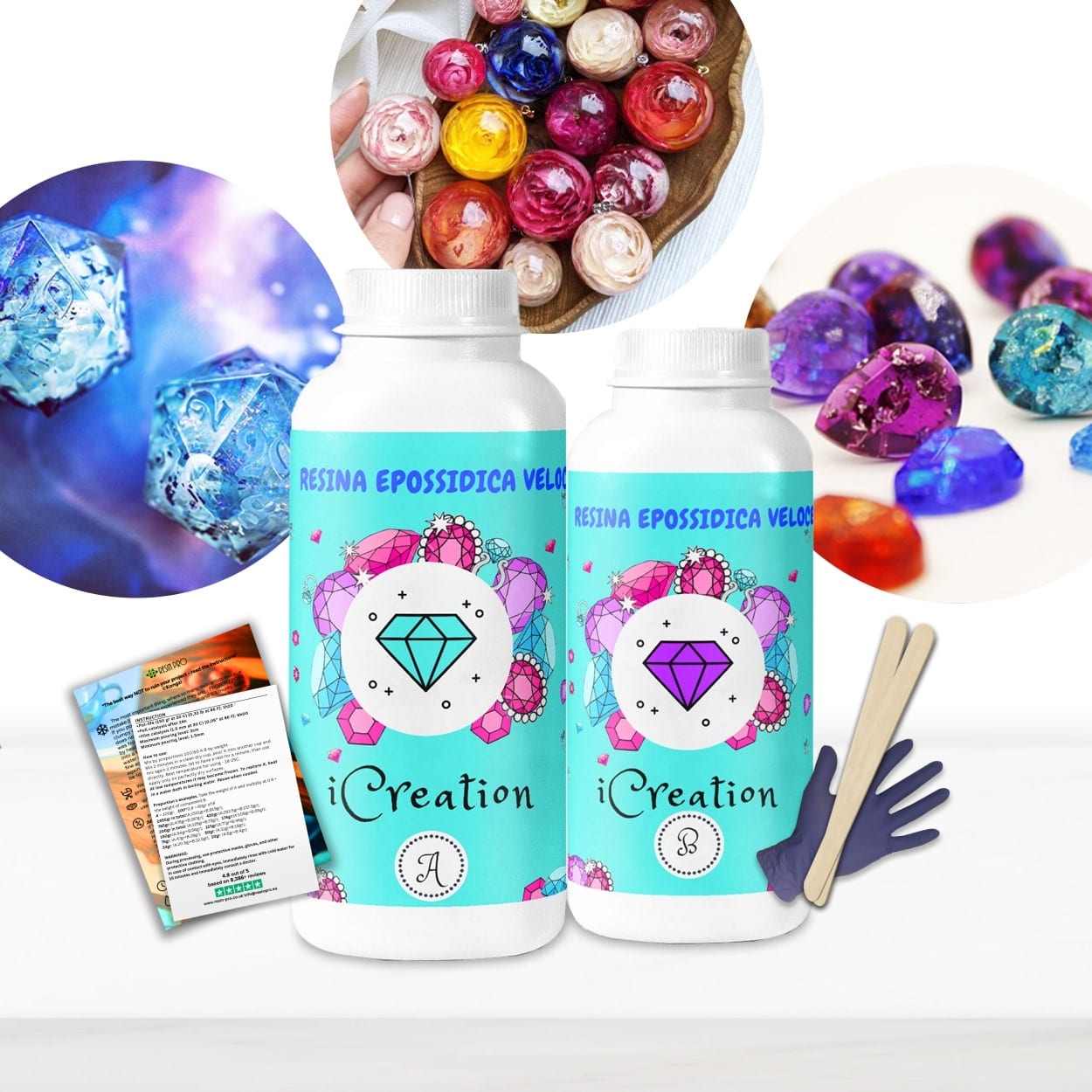 "ICreation" – Fast Epoxy Resin, 6h Demoulding, Transparent Gloss FinishPrice range: £19.40 through £52.85"ICreation" fast epoxy resin is suitable for jewellery and art projects needing a clear, glossy surface and a 6-hour demoulding time.
 "Art Pro" – Clear Epoxy Resin for Artists and Surface CoatingPrice range: £31.15 through £388.85Art Pro clear epoxy resin is suitable for artistic surface coatings offering exceptional clarity and durability with UV protection.
Frequently Asked Questions
What is the best way to clean metal before applying resin?
Use isopropyl alcohol or acetone and a lint-free cloth to thoroughly degrease and clean metal before applying resin.
Can epoxy resin stick to all types of metal?
Epoxy resin can bond to most metals, but best results come from cleaning and lightly sanding the surface before application.
Why is resin not sticking to my metal piece?
The most likely reasons are surface contamination, lack of abrasion, or incorrect resin mixing.
How long should I wait for resin to fully cure on metal?
Cure times vary by product, ranging from several hours to 24 hours. Wait until fully hardened before handling or using.
Is a primer necessary before applying resin to metal?
Primers are not always essential, but for stubborn metals they can enhance adhesion, especially for heavy-duty projects.
Can you layer resin over metal with multiple coats for thickness?
Yes, allow each resin layer to cure before lightly sanding and applying the next layer to improve adhesion.