 Free shipping on orders over £29,85
 Shipping Tracking!



 Google
 Facebook
Temporary Waterproof Layer for Camper Gazebo Roofs
← Back to Waterproofing for Camper Gazebo Roof
Quick answer
A temporary waterproof layer is a short-term protective covering placed over camper roofs or gazebo canopies to keep rain, dew and moisture out while repairs are carried out or during unexpected bad weather. It works as a fast shield, reducing water ingress and helping to prevent further damage until a permanent fix can be applied. The layer is usually lightweight and easy to position, making it practical for outdoor emergency use.
When a camper roof begins to leak or a gazebo canopy shows signs of wear, waiting for a full repair can leave the interior exposed. A simple temporary layer buys time, keeps the area drier and reduces the chance of damp reaching insulation, timber or interior fittings before a more durable waterproofing treatment is applied.
What a temporary waterproof layer should do
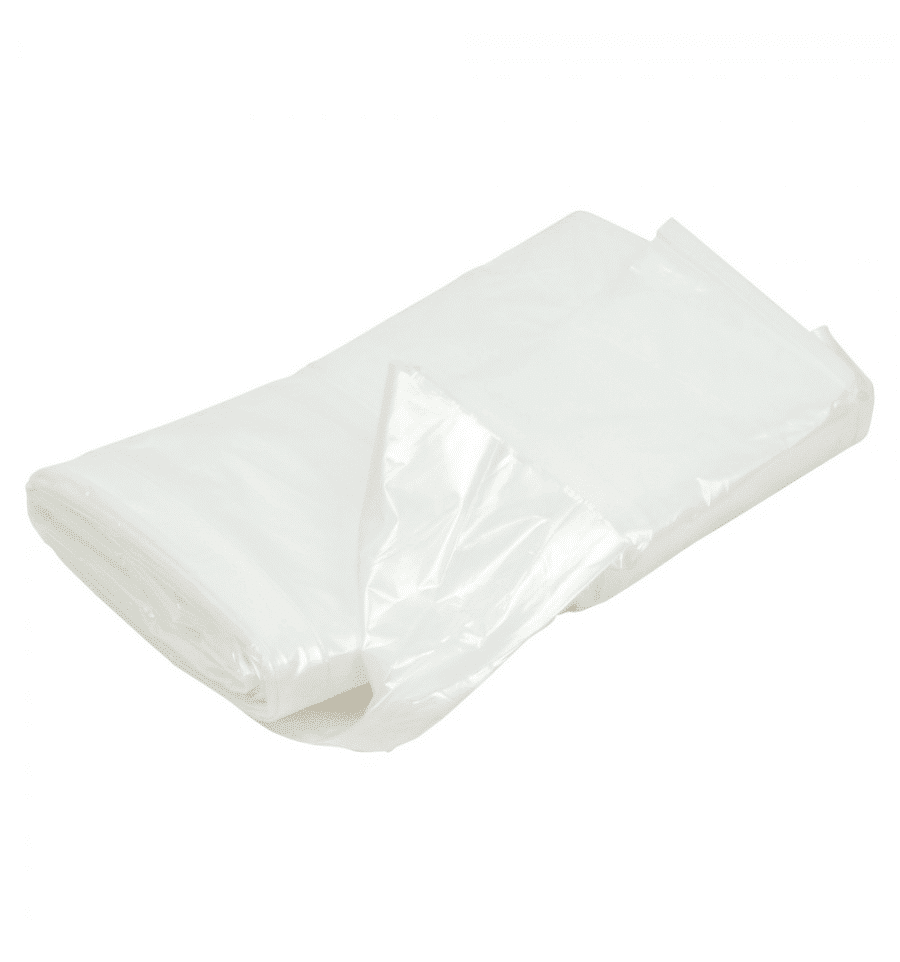
A temporary layer works best when it covers the whole affected area and extends beyond any obvious leak points. The aim is to stop water running beneath the cover, so overlaps, taped seams and secure edges matter more than the material being heavy. For many DIY and resin-related jobs, a lightweight Protective Sheet Film for Resin Projects, 4x4m Surface Cover can be used as a temporary, leak-proof barrier.
- Overlap generously around roof edges and vents to prevent wind-driven rain getting underneath.
- Secure the cover with ties, bungee cords or weights so it does not lift in gusts.
- Check for pooling after rain and adjust the slope or support to let water drain off.
- Use a clean surface where possible to avoid punctures from sharp roof fittings.
Fitting a temporary cover on a camper roof or gazebo
Before positioning the cover, brush away loose debris and, if safe, dry the surface as much as possible. The cover should be laid over the highest point first, then pulled down evenly to avoid folds that collect water.
- Work from the centre outwards to keep the material smooth and taut.
- Leave a small drain gap at the lowest edge so water can run off rather than pool.
- Protect corners and fixings with cloth or offcuts to reduce the risk of tears.
- Re-check after strong winds, as movement can create gaps over time.
When temporary protection matters most
This type of cover is particularly useful when a camper roof or gazebo is left partly open overnight, when repair materials need time to cure, or when a sudden downpour arrives before a permanent seal can be completed. It reduces the chance of damp reaching insulation, timber or interior fittings while you plan the next step.
Related products
Related guides
Once the temporary layer has done its job, the focus usually shifts to a more durable waterproofing solution for the camper gazebo roof. Sealing wooden sections or refreshing surface coatings can help the structure cope with repeated exposure. For more background on long-term protection, revisit the main waterproofing for camper gazebo roof guidance.