 Free shipping on orders over £29,85
 Shipping Tracking!



 Google
 Facebook
Resin Coatings for Vertical and Sloping Van Surfaces
← Back to Liquid roof insulation van
Quick answer
A resin coating suitable for vertical or sloping van surfaces is one formulated with high viscosity so it stays in place rather than running or sagging during application. The key difference is rheology: standard self-levelling resins flatten across horizontal areas, while a high-viscosity coating holds a textured or even layer on upright panels. This makes it practical for van interiors, wall sections and sloped roof linings where control and coverage matter more than self-levelling.
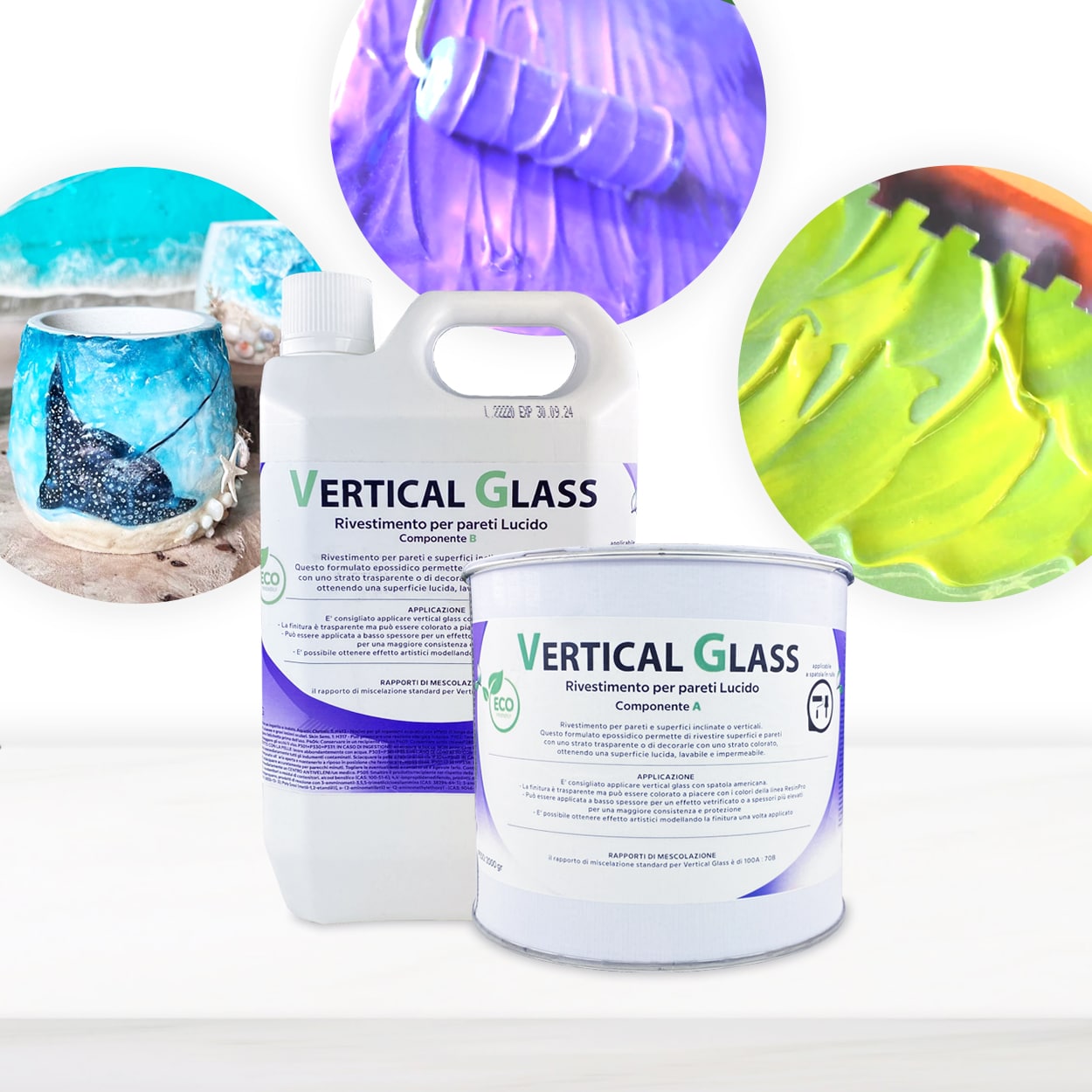
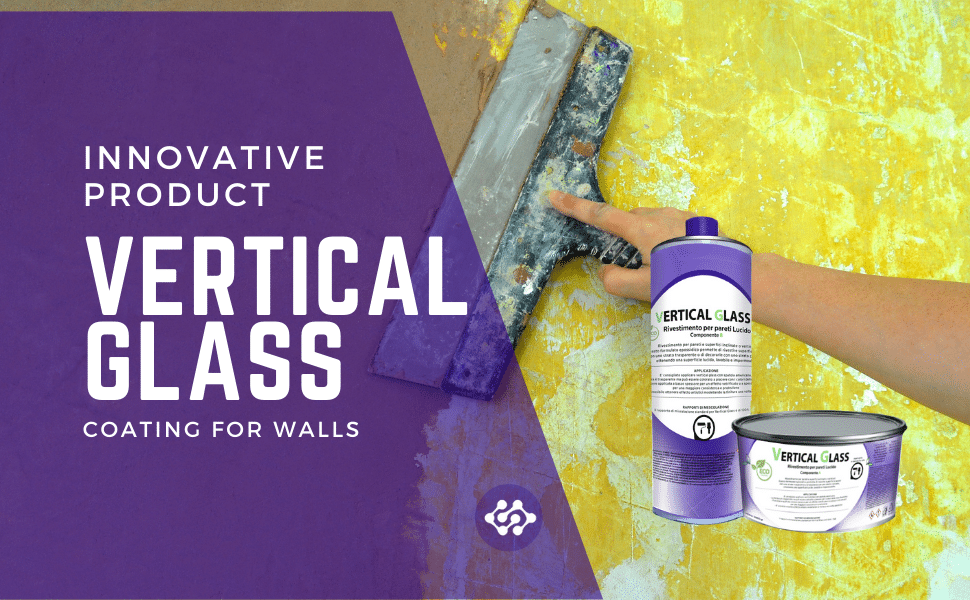
If you are refurbishing a van, the last thing you want is resin pooling in the lower corners or leaving thin patches at the top. Choosing a product with the right consistency, such as Vertical Glass – Thick Resin Decorative Wall Coating, helps you build an even finish on vertical and sloping areas without fighting the material.
Why high viscosity matters on vertical and sloping surfaces
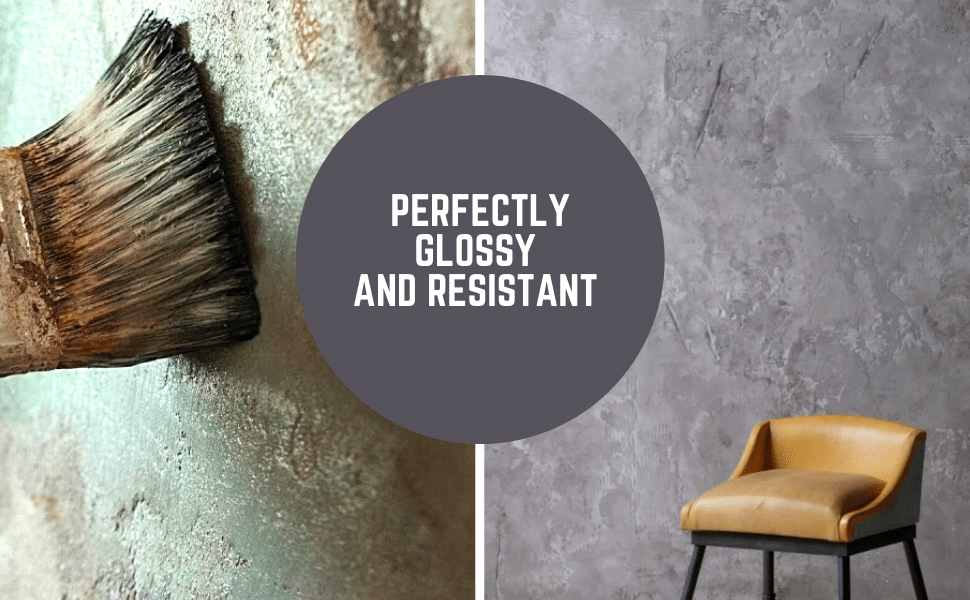
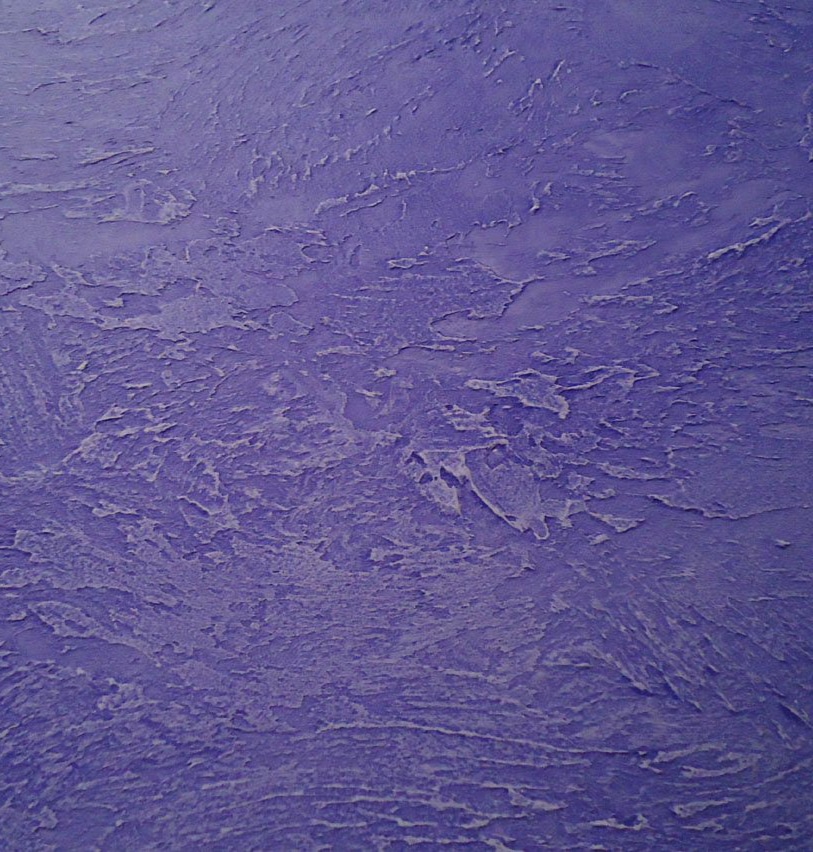
On a flat floor, a self-levelling resin is an advantage because it spreads into a smooth layer. On vertical or sloping van surfaces, that same behaviour becomes a problem: the resin can slide, thin out at the top and collect at the bottom. A high-viscosity coating behaves differently. It is formulated to resist flow, so it can maintain texture and design detail without sagging.
In practice, this means you can coat door cards, wall panels and angled roof sections with more control. The coating should stay where it is placed, allowing even coverage rather than relying on gravity to level it.
What to check before choosing a coating
When selecting a resin for vertical or sloping van surfaces, look for products that explicitly mention high viscosity, non-sag or suitability for walls and slopes. A useful option such as Vertical Glass is designed for exactly this type of work.
- Sag resistance: The resin should hold its position without sliding or dripping.
- Moisture resistance: In a van interior, condensation can be an issue, so a waterproof or moisture-resistant finish helps protect the surface.
- Texture and finish control: A coating that can be applied thinly or thickly gives you more flexibility on curved or uneven panels.
- Pigment compatibility: If you want a specific colour or metallic effect, check that pigments can be mixed in without affecting performance.
Application tips for sag-free vertical coating
Even a high-viscosity resin benefits from careful technique. Work in manageable sections and avoid overloading the tool. A spatula is often the best choice for vertical surfaces because it lets you spread the material evenly while controlling thickness.
- Prepare the surface so it is clean, dry and sound before starting.
- Apply the resin in controlled passes rather than pouring it on.
- Keep the coating thickness consistent, especially where the surface changes angle.
- Allow the resin to firm up before adding further coats or decorative effects.
If you are unsure how a product behaves, test it on a small offcut or an inconspicuous area first.
Related products
Related guides
Choosing the right resin for vertical and sloping surfaces is only one part of a van project. For wider waterproofing and protection, it is worth looking at how these coatings fit into a liquid roof insulation van approach.