 Free shipping on orders over £29,85
 Shipping Tracking!



 Google
 Facebook
Are polyurethane coatings suitable for metal RV roofs?
← Back to RV roof waterproofing
Quick answer
Polyurethane coatings are suitable for metal RV roofs when the metal surface is clean, dry and properly prepared. On prepared steel, aluminium or galvanised roof panels, a polyurethane coating bonds well and forms a flexible, continuous waterproof layer. The resulting finish helps resist water ingress, weathering and general abrasion. Correct cleaning and removal of loose material are essential before application, as adhesion is the main factor behind long-term performance. This makes polyurethane a practical choice for metal roofs that need a re-coatable protective surface.

On a motorhome or caravan roof, metal panels are often painted or galvanised, and any preparation shortcut tends to show up later as peeling or bubbling. Working in sections and following the coating’s mixing and coverage guidance gives a much more consistent waterproof result.
Why polyurethane bonds well to metal roofs
Polyurethane coatings are formulated to grip non-porous substrates, including properly prepared steel, aluminium and galvanised metal. Once cured, the coating forms a continuous skin that bridges minor surface imperfections and keeps water from sitting directly on the metal.
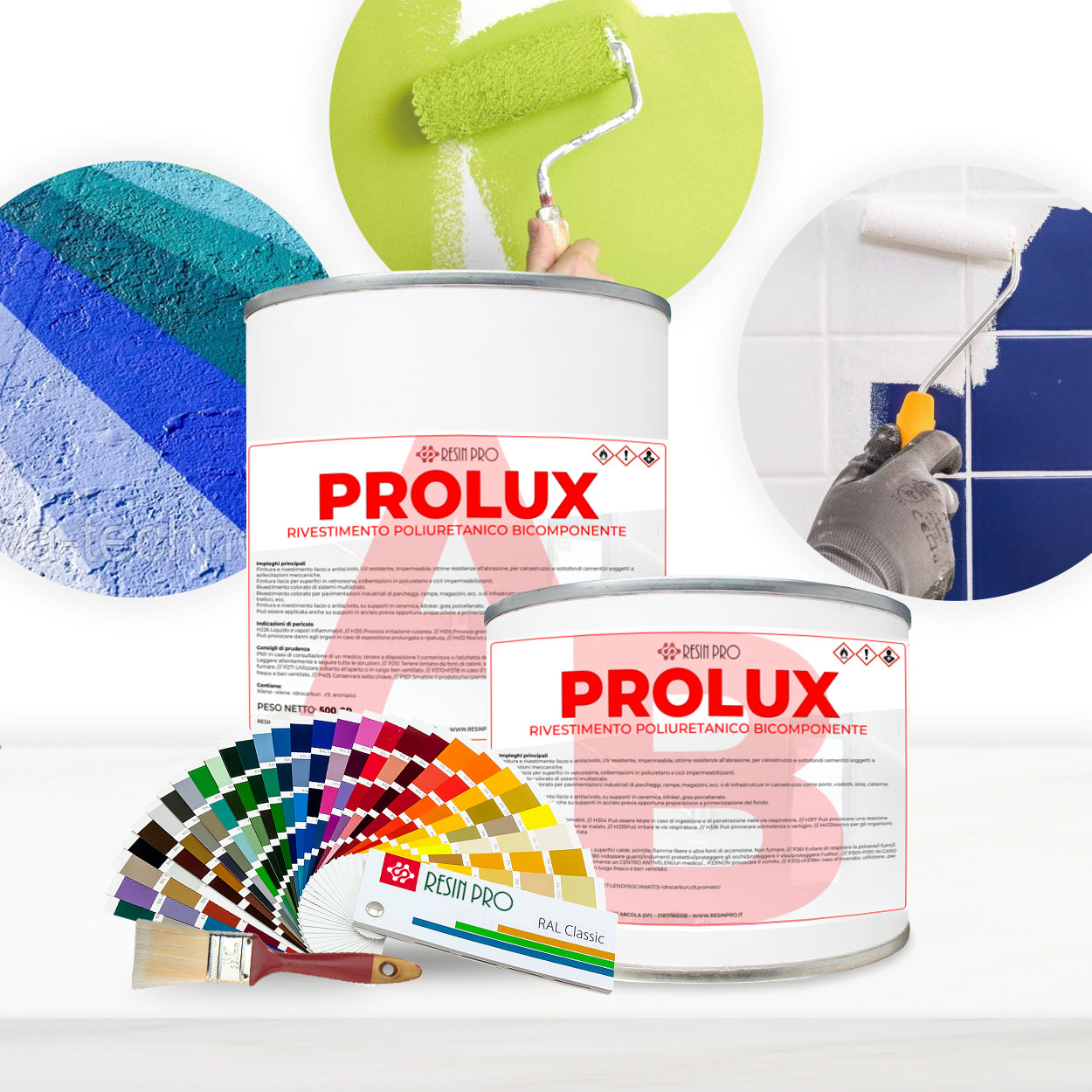
A two-component aliphatic product such as Prolux PU coating for metal and driveable surfaces is designed for prepared steel and offers weathering resistance, which is useful on an exposed RV roof.
- Adheres to clean, prepared metal surfaces
- Forms a continuous waterproof film
- Resists weathering and UV exposure
Preparation steps for a lasting finish
Surface preparation has a bigger effect on lifespan than coating thickness. Before applying polyurethane to a metal RV roof, remove dirt, grease, loose rust and flaking paint. Any deep pitting or cracks should be filled and levelled first, because the coating is not designed to bridge large holes.
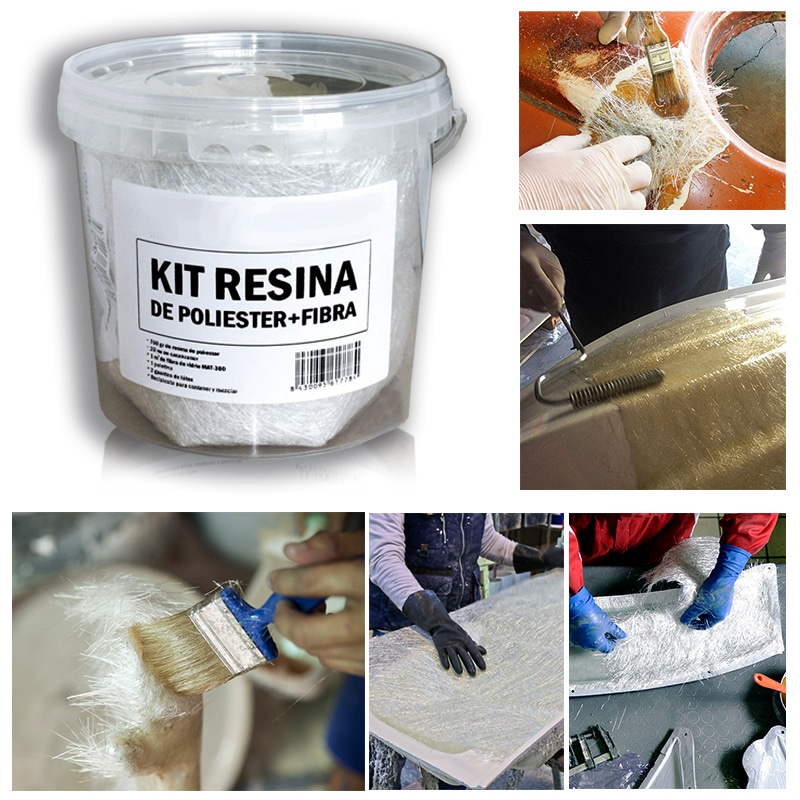
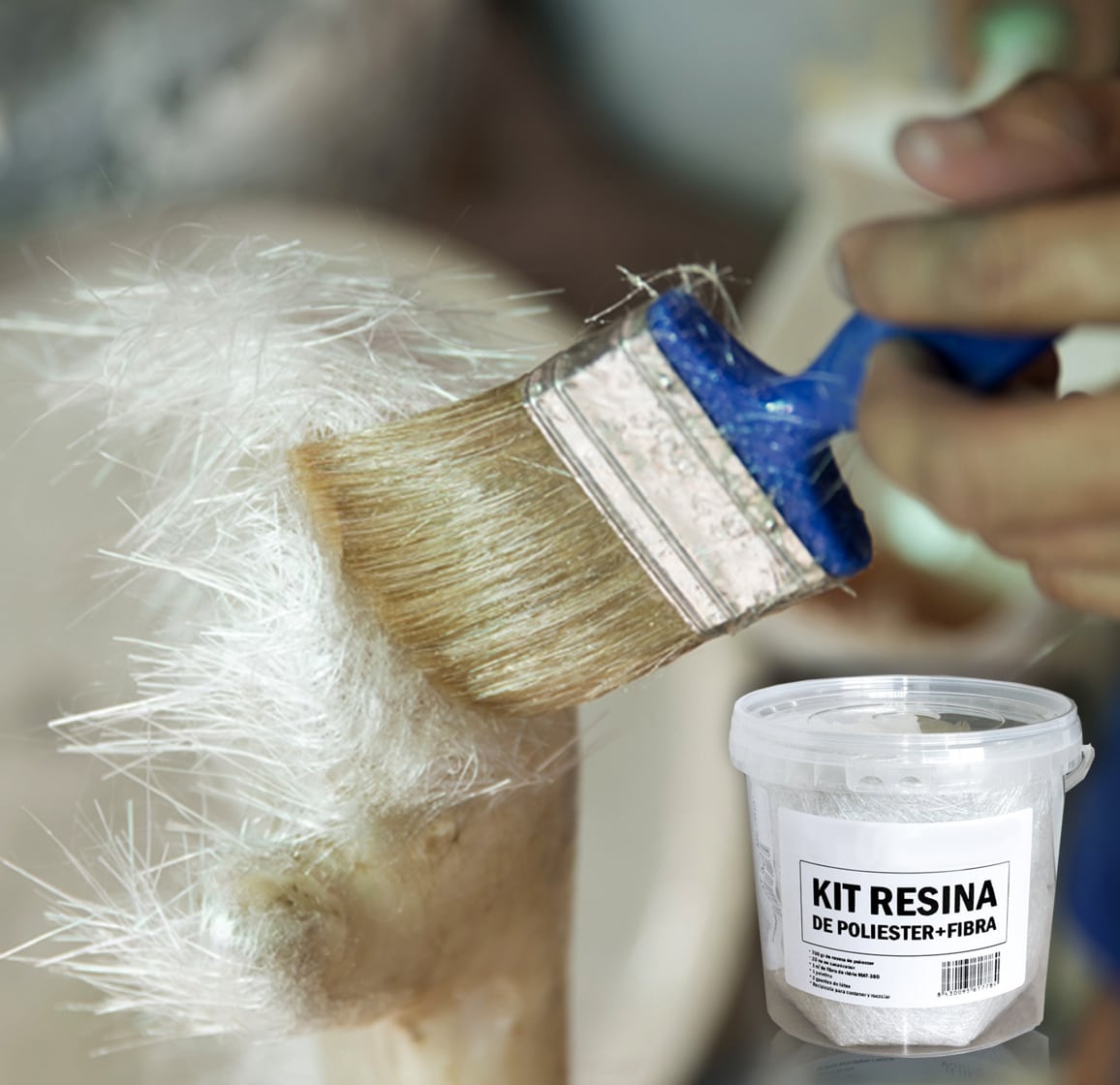
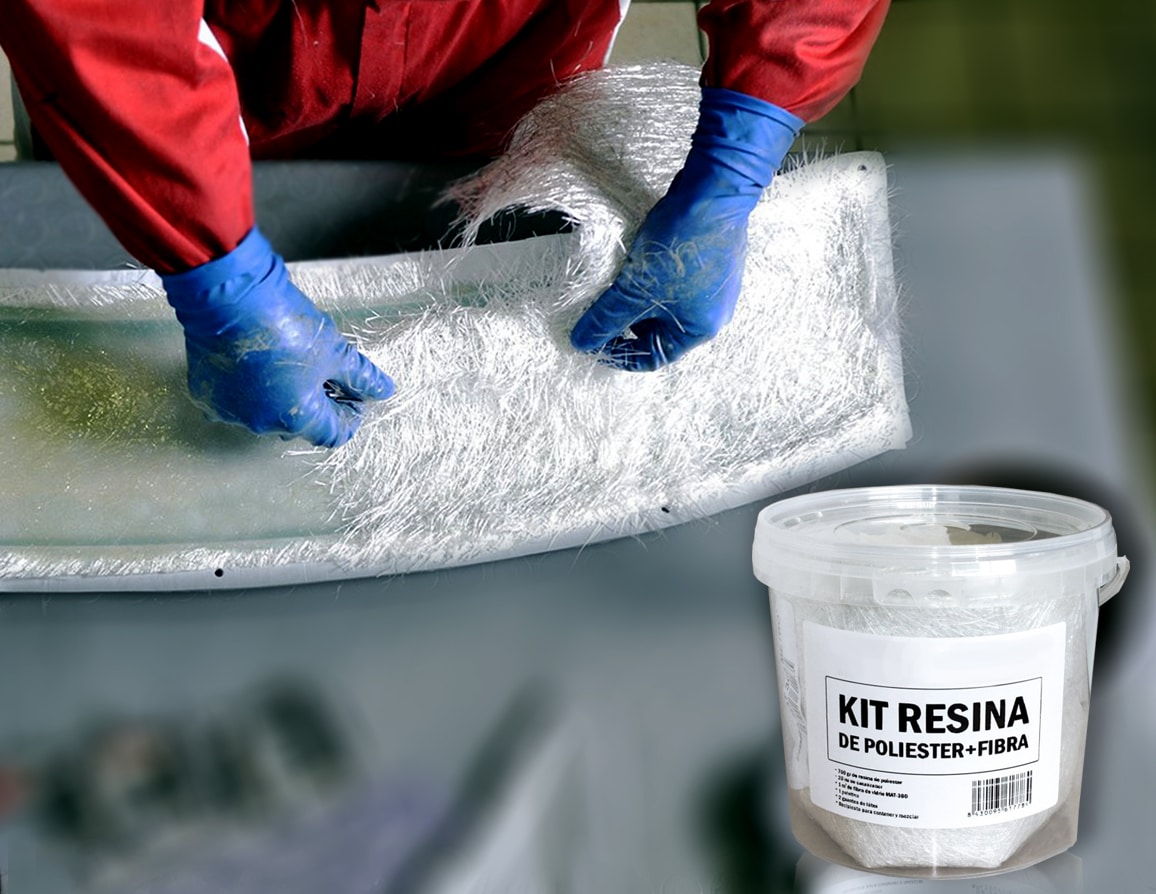
For localised metal repairs, a fibreglass-reinforced filler such as CROP 2K Fiberglass Putty can be used to restore a sound surface before the polyurethane layer goes on. Make sure the prepared area is completely dry before mixing and applying the coating.
- Clean and degrease the roof surface
- Remove loose rust, old sealant and flaking paint
- Fill cracks or deep pitting and sand smooth
- Apply only to a dry, prepared metal surface
When this matters
This matters most on metal RV roofs that have lost their original factory coating, developed surface rust, or been patched with mixed materials. A polyurethane layer can tie those areas together visually and functionally, but only if the metal underneath is sound.
It is also a useful option for roofs that are walked on occasionally or exposed to strong sun, where a coating with weathering resistance helps keep the waterproof layer intact for longer.
Related products
Related guides
For metal RV roofs, polyurethane is one of the more dependable waterproofing routes when the preparation is taken seriously. Combining the right coating with a clean, stable surface fits into a broader RV roof waterproofing routine that also includes checking seams, vents and edges before water has a chance to get underneath.