 Free shipping on orders over £29.85
 Shipping Tracking!



 Google
 Facebook
How Weatherproof Are Camper Sealants?
← Back to Applying sealant to a camper
Quick answer
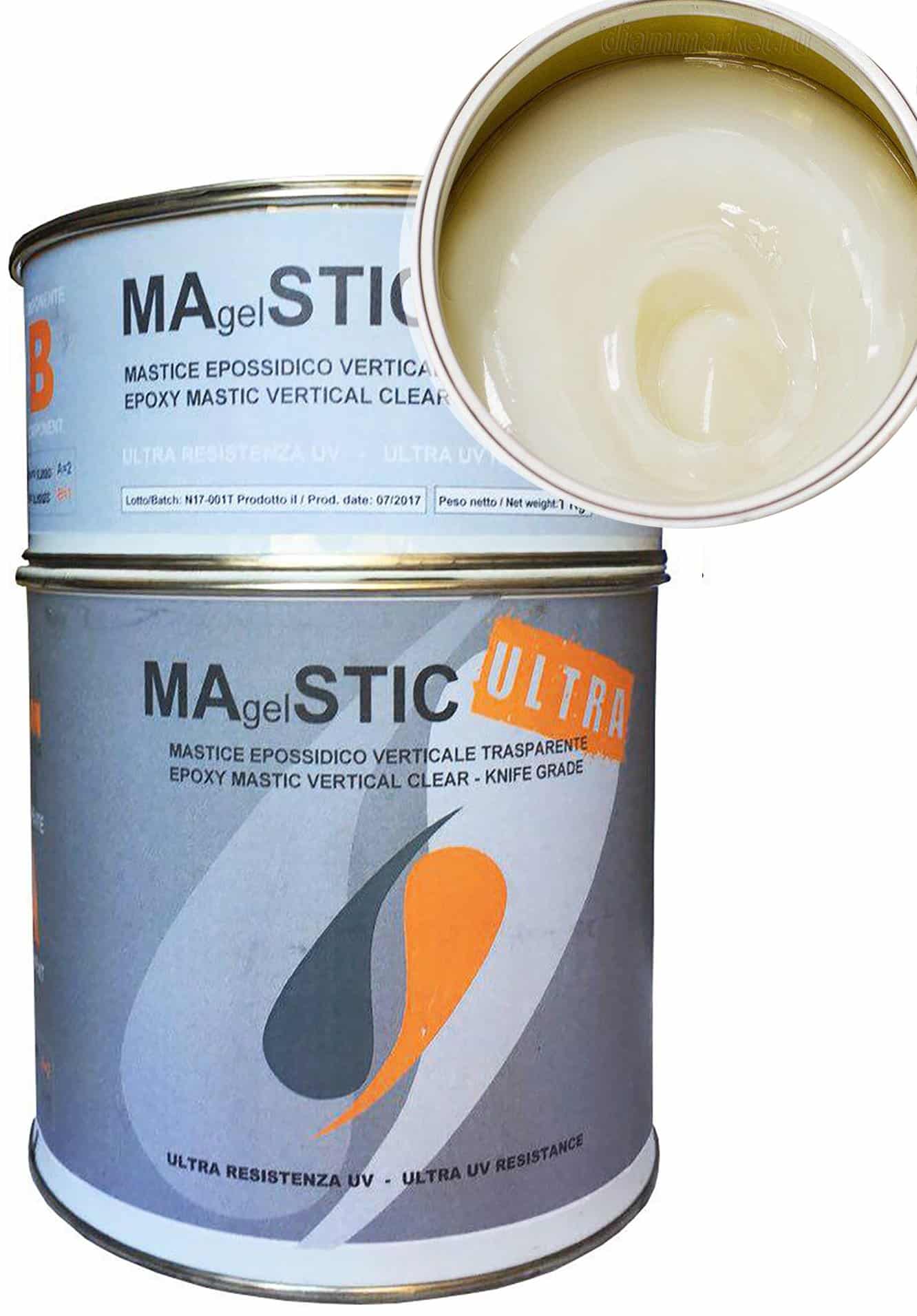
Epoxy mastic and methacrylic resin sealants are weather-resistant materials used for outdoor camper work. Their cured films resist ultraviolet light, rain and general weathering when applied to properly prepared surfaces. This makes them suitable for external joints, repairs and surface protection. Magelstick epoxy mastic and Resinstone methacrylic resin are formulated for exterior use, while CROP 2K fibreglass putty provides moisture and corrosion resistance for repairs that need sanding and painting. Matching the product to the surface and exposure is key.
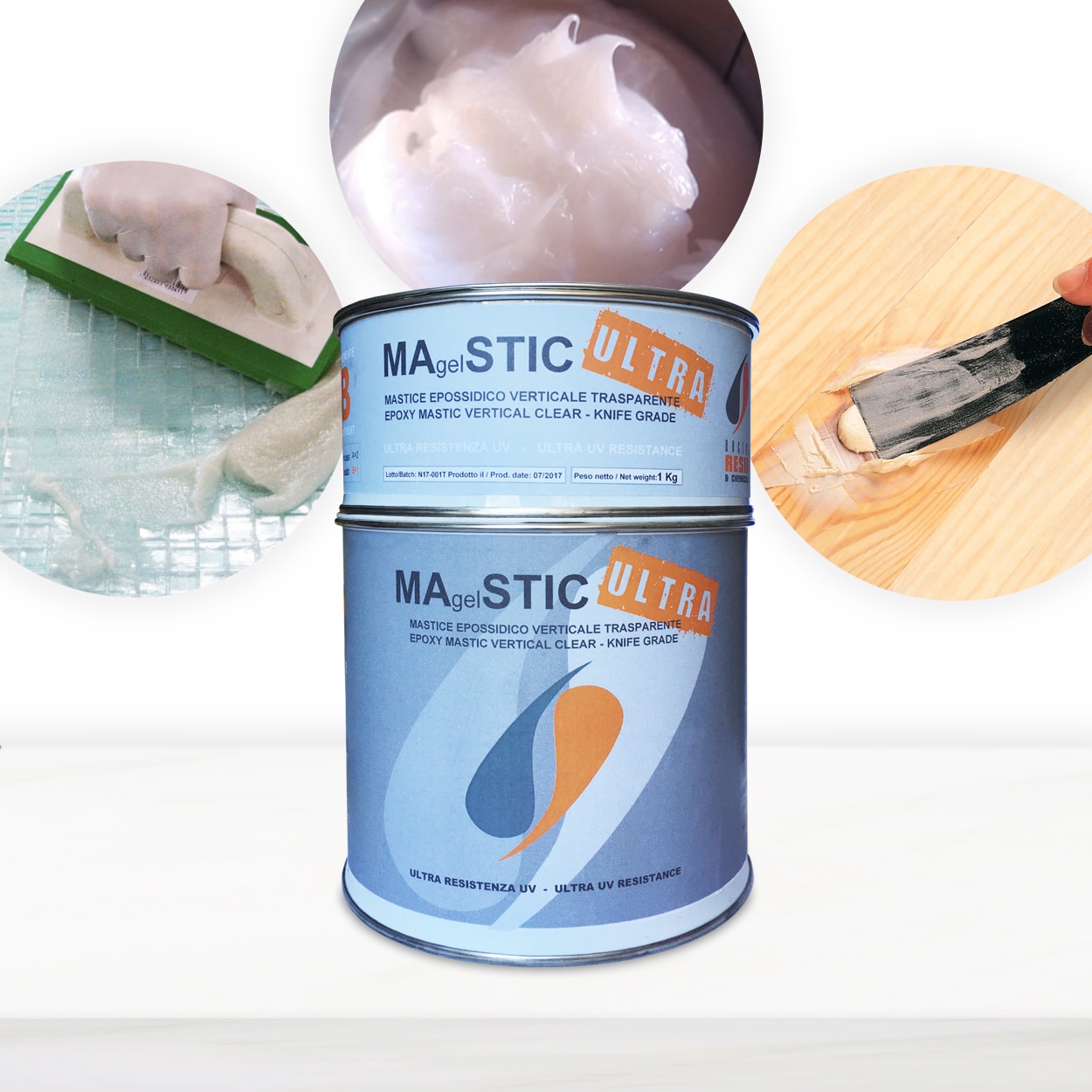
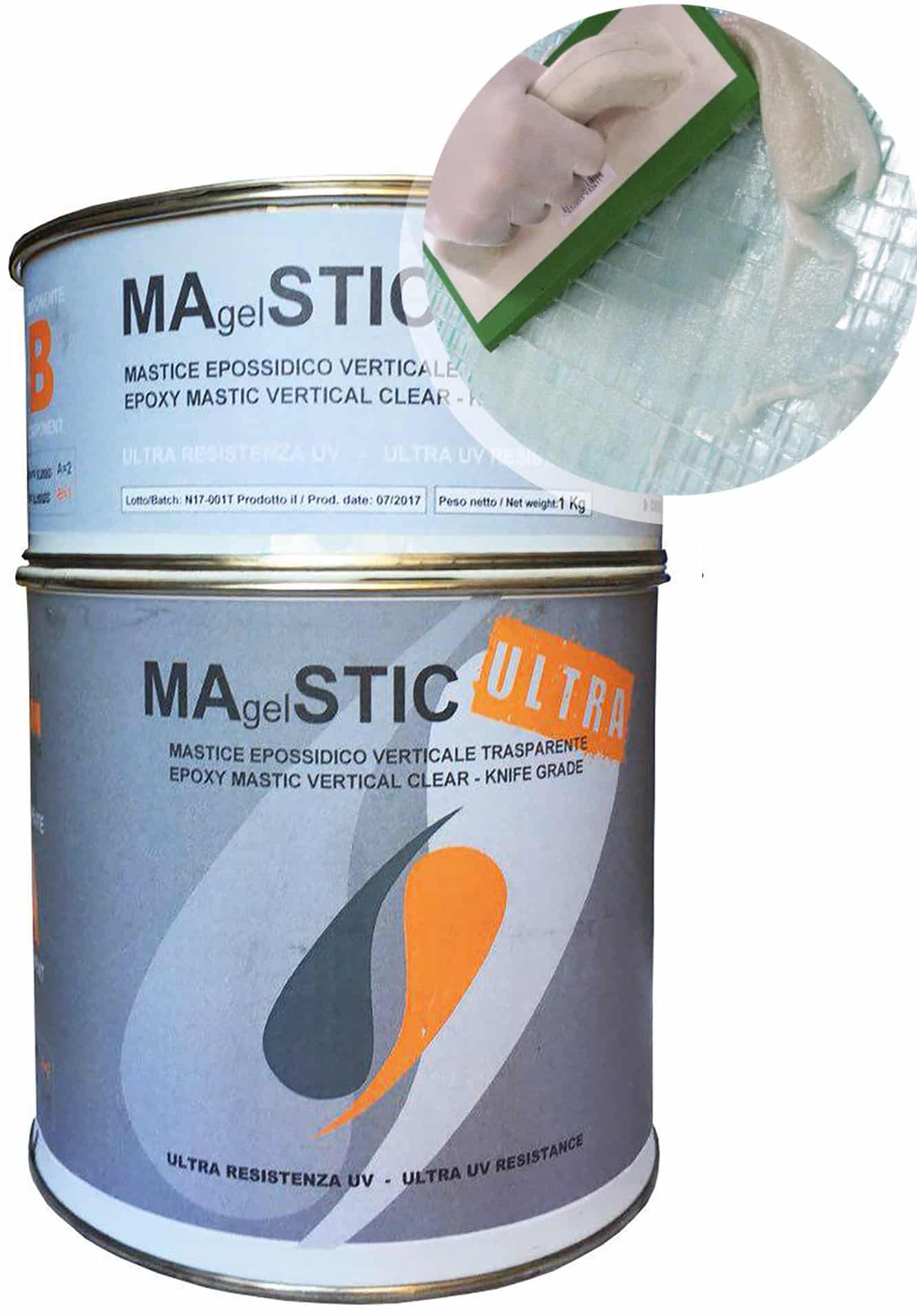
Weather resistance is only part of the picture. A sealant also needs to bond well to the camper surface and cope with the movement and vibration that vehicles create. The options below cover the main types of outdoor-rated repair and sealing products available for these tasks.
Why epoxy mastics and methacrylic resins suit outdoor use
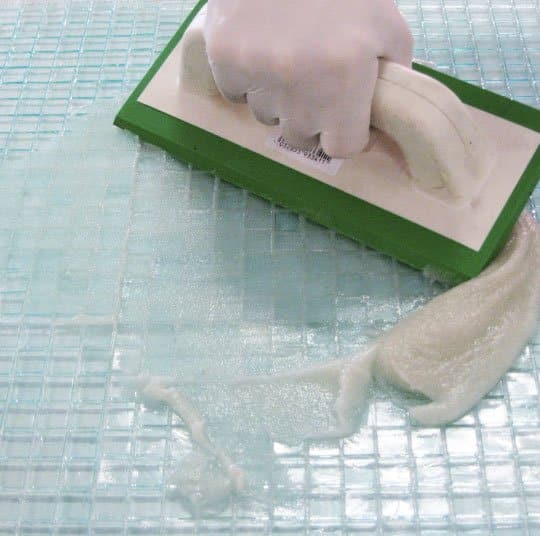
Epoxy mastics and methacrylic resins are formulated to resist UV light and weather exposure after curing. In practice, this means a cured repair or seal is less likely to fail quickly when a camper is parked or driven outdoors. For example, Magelstick epoxy mastic is a thixotropic, weather-resistant putty that can be used on vertical surfaces without sagging.
Methacrylic resin products such as Resinstone take a different approach: they penetrate absorbent surfaces and form a protective, weather-resistant layer. For camper projects involving concrete hardstanding or absorbent masonry around the vehicle, this provides outdoor durability without the need for mixing multiple components.
Matching the product to the repair
Weather resistance alone is not enough if the product cannot cope with the substrate or the type of damage. The following product types cover common external camper tasks:
- Epoxy mastic – for vertical joints, stone, metal and cement repairs where sag resistance and exterior weather resistance matter.
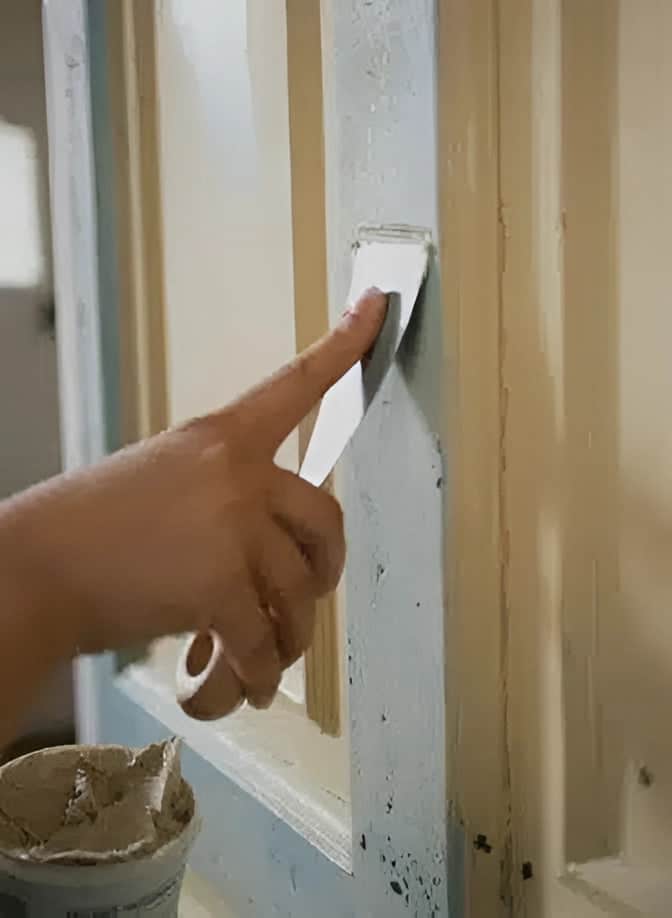
- Fibreglass-reinforced putty – for filling cracks, dents and deep cavities in bodywork before sanding, priming and painting. It resists moisture and corrosion.
- Methacrylic resin – for sealing absorbent concrete or mineral surfaces that need a breathable but weather-resistant protective layer.
For most camper body seams and small exterior repairs, an epoxy mastic is often the more direct option because it bonds well to metal and vertical surfaces. For larger body damage, a fibreglass putty can provide the strength needed before a topcoat.
When weather resistance matters most
Weather resistance becomes most important when a camper is stored outdoors, used through winter, or exposed to strong sun and rain. In these conditions, a standard interior filler or general-purpose putty may degrade faster or allow moisture to penetrate behind the repair. Choosing a product with stated UV and weather resistance reduces the chance of early failure, though surface preparation and curing time still determine the final result.
Related products
Related guides
Weather-resistant sealants are one part of a successful camper sealing job. Surface preparation, application technique and curing conditions play an equally important role. For more guidance on preparation and application, see the main advice on applying sealant to a camper. If you are choosing between products, the epoxy mastic, fibreglass putty and methacrylic resin options above cover the most common outdoor repair and sealing scenarios.