 Free shipping on orders over £29,85
 Shipping Tracking!



 Google
 Facebook
Metal and Plastic Compatibility for RV Waterproofing
← Back to Recreational Vehicle Waterproofing
Quick answer
Waterproofing products suitable for recreational vehicles can bond to properly prepared metals and rigid plastics used in RV construction. Polyester resin, polyurethane coatings and fibreglass-reinforced putty each offer adhesion to non-porous substrates when surfaces are clean, dry, sanded and degreased. This compatibility means roof trim, wheel arch liners, storage boxes and panel repairs can be sealed without switching between specialist products. The correct choice still depends on whether the repair needs a structural bond, a coating, or a filler for deeper damage.

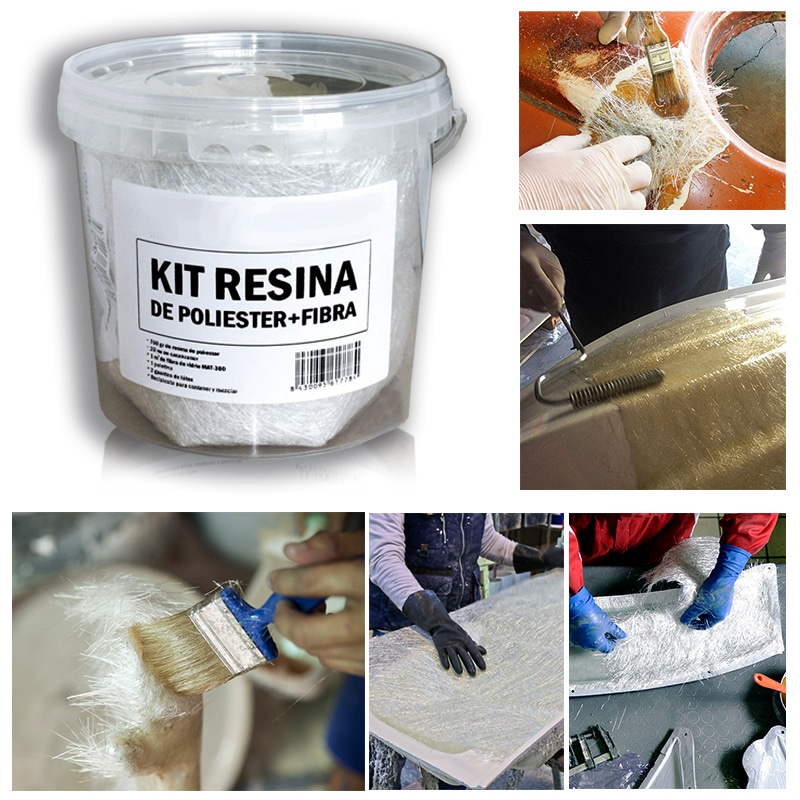
Yes, the featured range bonds with properly prepared metal and rigid plastic, but the practical outcome comes down to how you prepare the surface. A clean, dry, lightly abraded area gives the resin or coating a mechanical key, while degreasing removes contaminants that can weaken adhesion. The sections below compare the main product types and when each makes sense for an RV repair.
Which Products Bond to Metal and Rigid Plastic?
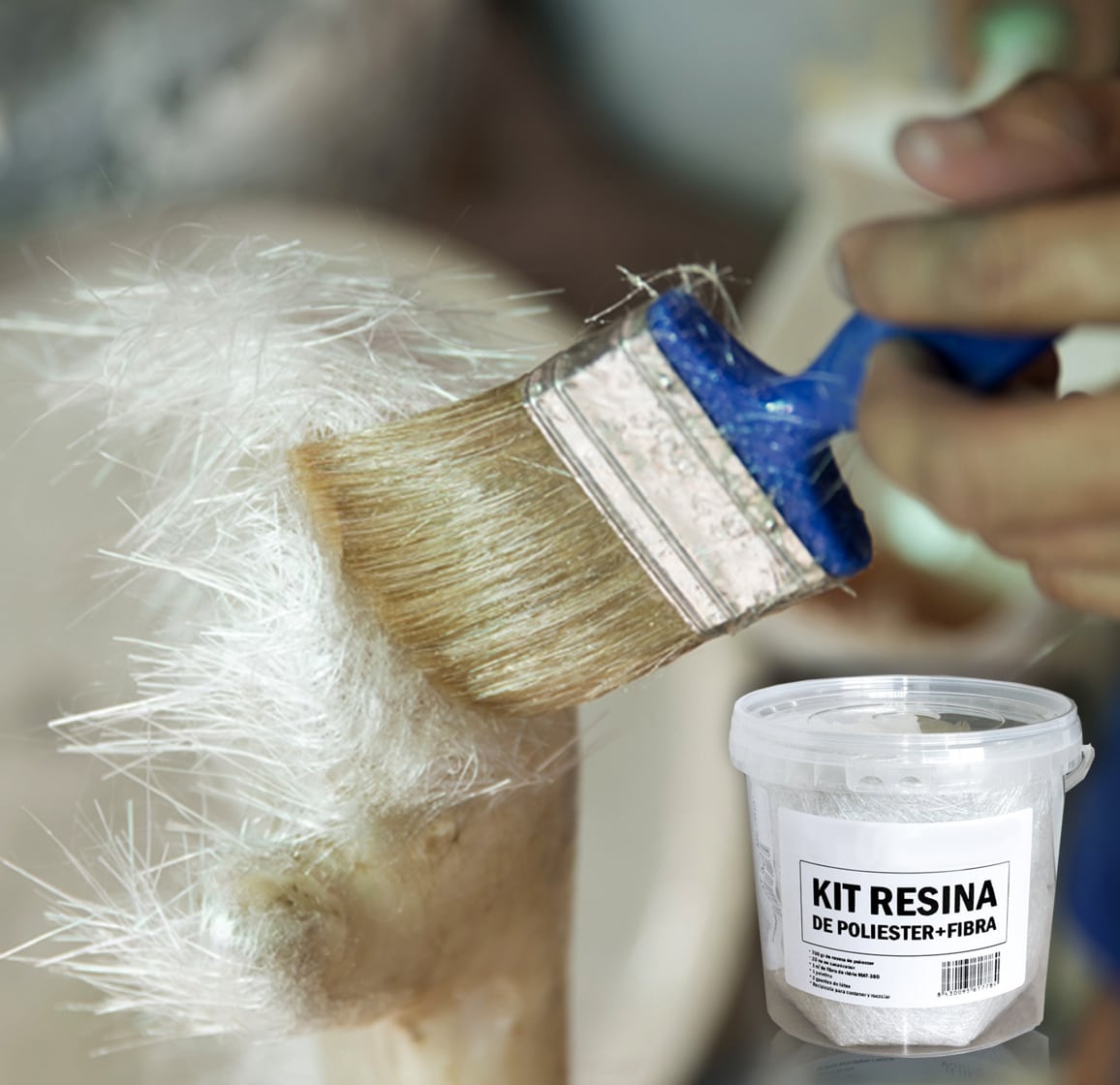
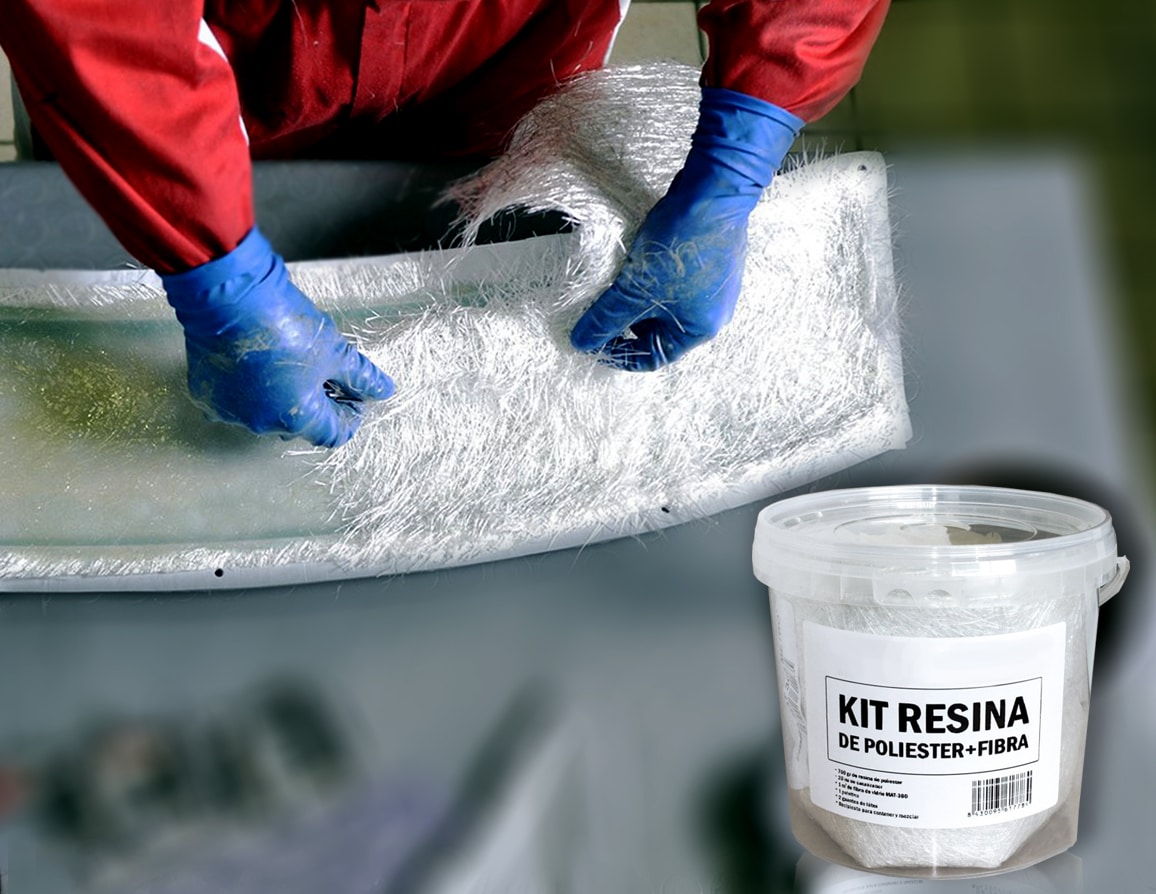
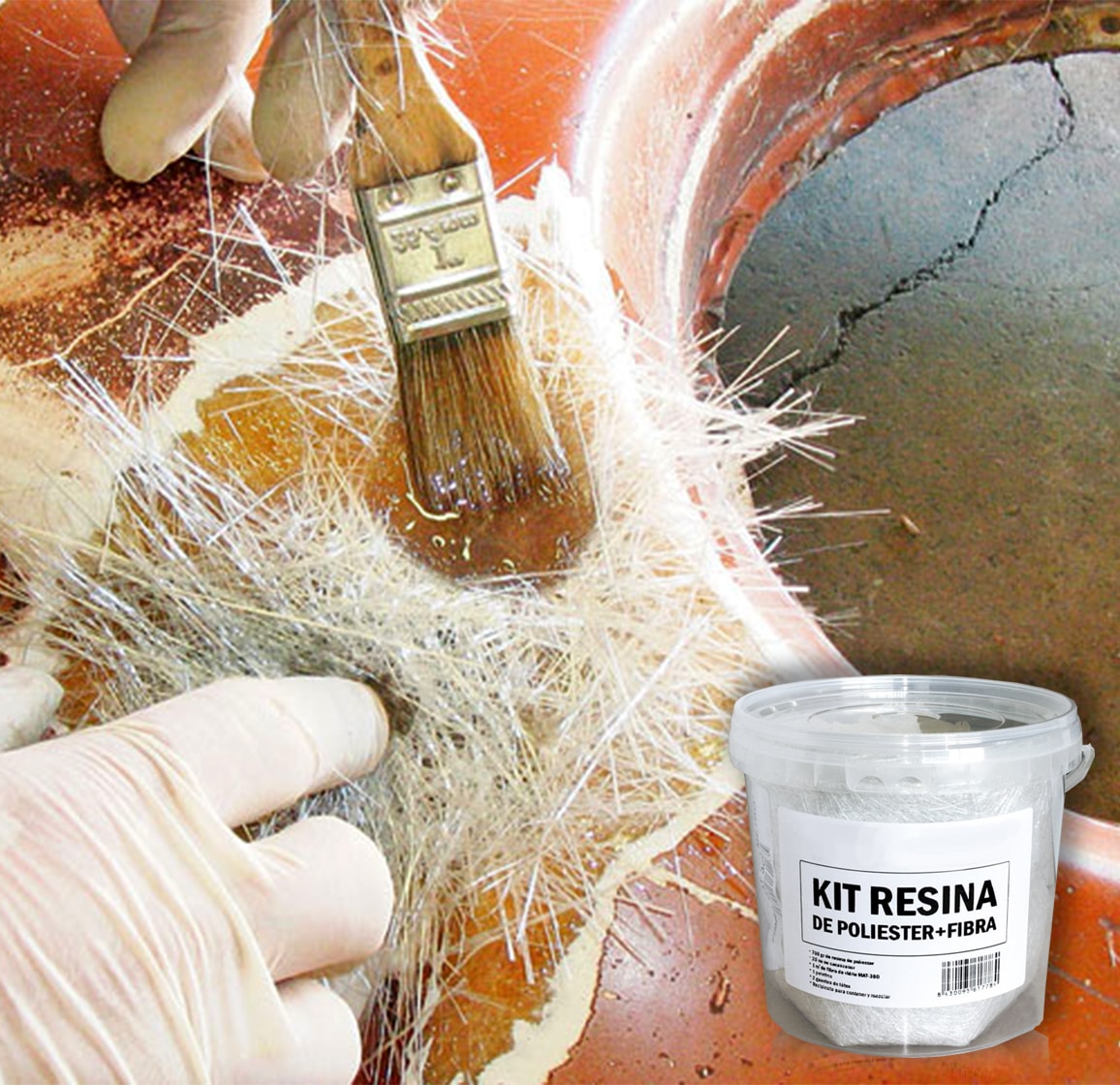
Three products in the recreational vehicle waterproofing range are particularly useful for non-porous surfaces. The Resin Fibreglass Repair Kit includes a polyester resin that adheres to fibreglass, rigid plastics and metals, making it a practical option for reinforced structural patches. For larger coated areas such as metal panels or rigid plastic trim, the Prolux polyurethane coating is suitable for concrete, fibreglass, ceramic, plastic and properly prepared steel. Where damage is more localised, CROP 2K Fiberglass Putty can fill cracks and dents in aluminium, galvanised steel, plastics and carbon fibre.
- Structural repairs: Polyester resin and fibreglass mat create a rigid, waterproof bond on metal and hard plastics.
- Protective finishes: Polyurethane coating works on metal and plastic where UV and abrasion resistance matters.
- Filling and shaping: Fibreglass putty suits deeper cracks and dents before sanding and painting.
Surface Preparation That Prevents Bond Failure
Metal and rigid plastic are smooth, low-porosity surfaces, so adhesion relies on preparation rather than the product simply soaking in. For most repairs, surfaces should be clean, dry and lightly sanded to create a mechanical key. Degreasing is important on aluminium, galvanised steel and many plastics, where residues can sit invisibly on the surface. Once prepared, some products may benefit from priming, depending on the substrate and the system being used.
Flexible or fabric materials are a different situation. The rigid bonding products above are not intended for highly flexible substrates, where movement can cause the cured layer to crack or lose contact.
When This Matters for RV Repairs
Compatibility with metal and plastic becomes important when you are working around exterior trim, roof fittings, water inlet surrounds, wheel arch liners and storage compartments. These areas often mix aluminium, GRP and rigid plastic within a small space. Using one product that can bridge those surfaces reduces the need for multiple repair systems and helps keep the waterproofing layer continuous.
Related products
Related guides
The key point is that metal and plastic do not have to rule out a waterproof repair, provided the right product is matched to the job and the surface is properly prepared. For more general advice on sealing roofs, panels and exterior fittings, the recreational vehicle waterproofing range covers each step from patching to protective coating.