 Free shipping on orders over £29,85
 Shipping Tracking!



 Google
 Facebook
Are Any Coatings Suitable for Confined or Indoor Van Spaces?
← Back to Liquid roof insulation van
Quick answer
Solvent-free, odourless resin coatings are the most practical choice for enclosed van interiors and other spaces with limited airflow. Vertical Glass is one such coating; it is formulated without volatile solvents and produces low odour, so it can be applied indoors without the harsh fumes common to some epoxy systems. This makes it a suitable option for decorative or protective work inside a van where ventilation may be restricted. Even so, some airflow during application and curing helps achieve a consistent, low-odour finish.
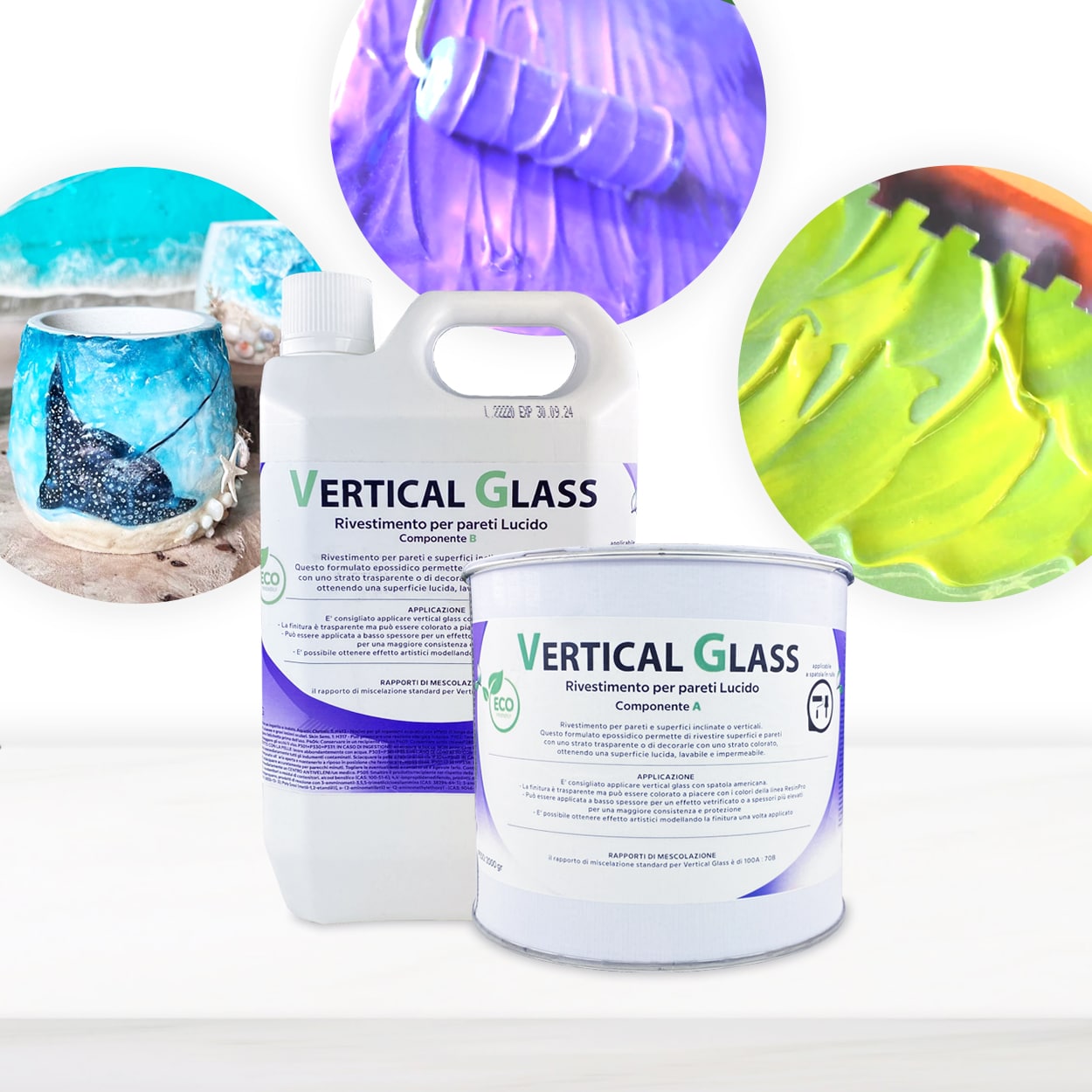
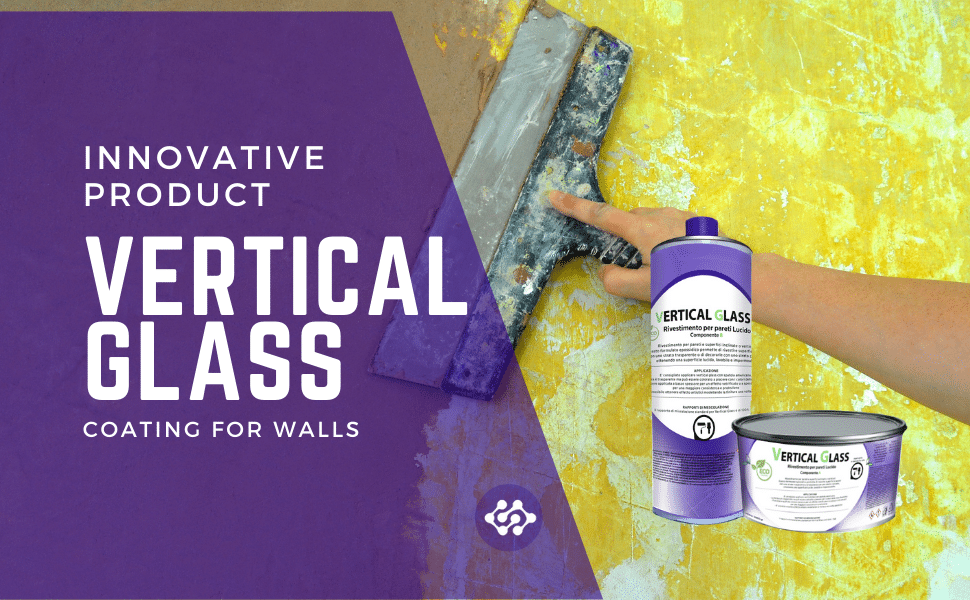
If you are coating the inside of a camper or work van, the smell and vapour level are just as important as adhesion. Choosing a product labelled solvent-free or odourless reduces disruption and makes the work safer in a small space. Here are the key things to look for and how to manage the job sensibly.
What to look for in an indoor-safe coating
In an enclosed van, fumes and vapour have nowhere to go. A coating labelled solvent-free or odourless is preferable because it limits strong solvent smells during mixing and curing. Vertical Glass is formulated to fit this need, offering low odour without relying on strong solvents. Not every resin system behaves the same, so check the technical notes before assuming a floor or exterior coating will be comfortable to use inside.
- Solvent-free or low-odour formulation
- Limited vapour during mixing and curing
- Suitable for vertical or sloping interior panels
- Good adhesion to prepared metal, wood or composite linings
Applying coatings inside a van safely
Good preparation makes enclosed-space coating much safer. Mask off windows, rubber seals and any areas that should stay clean. Open the rear or side doors while working, and use a small fan to push fresh air through the space. With a thick, non-sagging coating such as Vertical Glass, you can apply with a spatula to vertical surfaces without worrying about runs, which helps when coating van walls or bulkheads.
- Work with doors open and a fan running
- Mask surrounding trim and fittings
- Mix only the amount you can apply within the open time
- Test a small area first to check adhesion and finish
When this matters most
Odour and vapour levels matter most when the van is small, when it will be used or slept in soon after painting, or when the coating is applied in a shared workshop. A strong-smelling solvent product can leave lingering fumes that make the space unpleasant or trigger headaches. Selecting a low-odour resin and allowing enough curing time helps keep the interior comfortable and ready to use more quickly.

Related products
Related guides
Checking the solvent and odour profile before you buy is a simple way to avoid problems in confined van projects. If you are planning a larger liquid roof insulation van job, pairing an indoor-safe coating with proper preparation gives you a finish that is both practical and pleasant to live or work around.