 Free shipping on orders over £29,85
 Shipping Tracking!



 Google
 Facebook
Are Resin Roof Insulation Solutions Waterproof for Outdoor Use?
← Back to Roof leak insulation solutions
Quick answer
Resin roof insulation and repair systems are designed to form waterproof seals outdoors when they are applied to clean, sound, and correctly prepared surfaces. Their performance depends on matching the product to the substrate, allowing the resin or coating to cure fully, and following the manufacturer’s mixing and application guidance. This category includes polyester and fibreglass kits, polyurethane coatings, and epoxy wood treatments, each providing a different route to a water-resistant exterior finish.

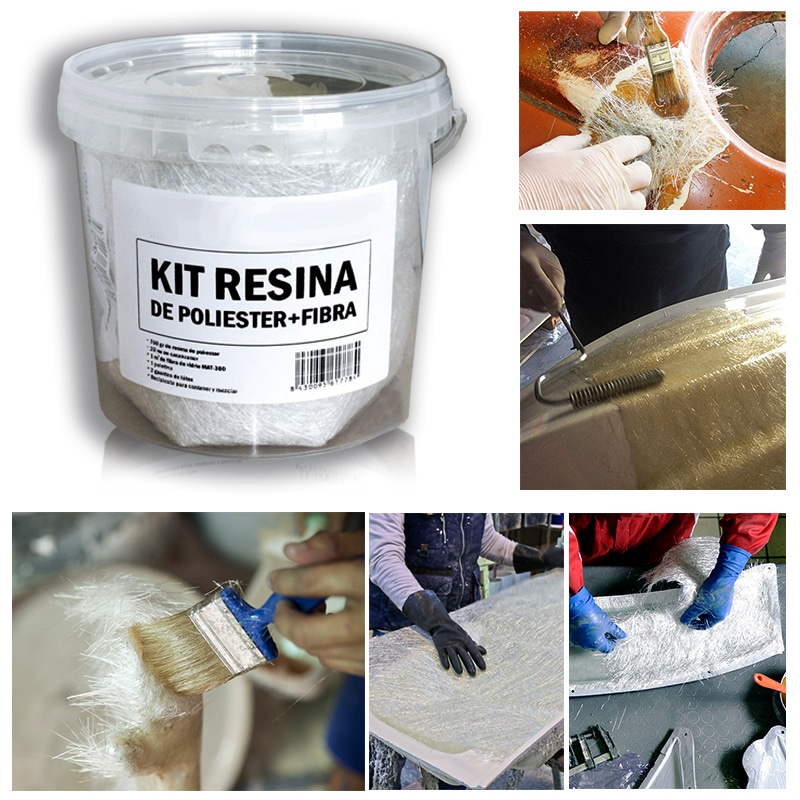
If you are repairing a roof area or sealing an external surface, waterproofing comes from the cured resin film or reinforced laminate rather than the product simply sitting on top. Surface preparation and weather conditions during application are usually the deciding factors. The sections below explain what to check before you start.
How outdoor waterproofing works
In resin-based roof and insulation products, outdoor waterproofing is created by a cured film, a reinforced fibreglass laminate, or a penetrating seal. The product needs close contact with the substrate so that water cannot track underneath. For most systems, the basic preparation sequence is similar:
- Remove dirt, dust, grease and loose or flaking material.
- Repair any structural damage and allow the area to dry.
- Sand or mechanically key smooth surfaces where recommended.
- Apply any required primer and mix multi-part products at the stated ratio.
- Protect the area from rain until the resin has fully cured.
Following the product-specific instructions is more important than applying a thicker coat, because incorrect mixing or curing can reduce the final seal.
Choosing the right waterproofing system
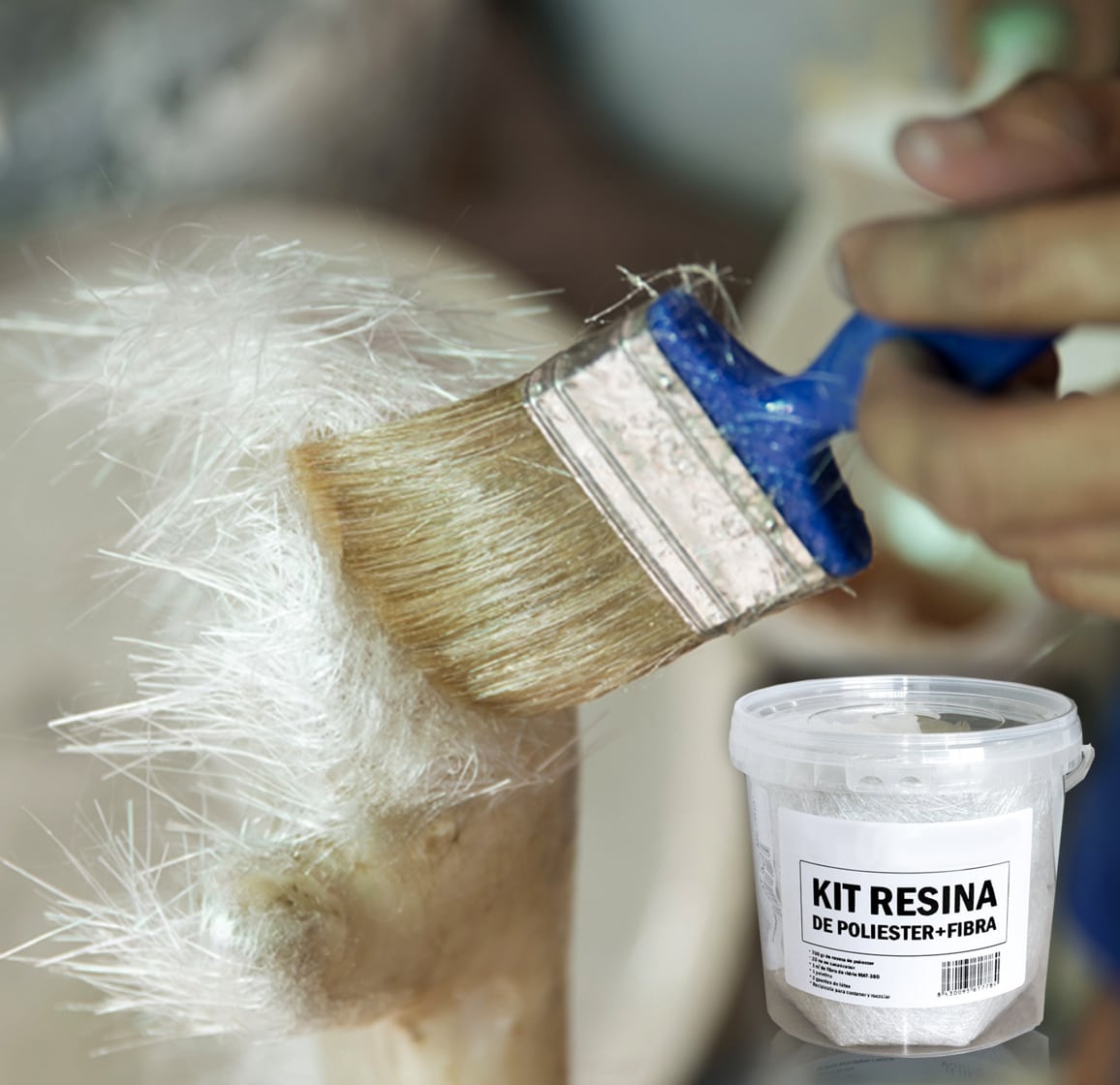
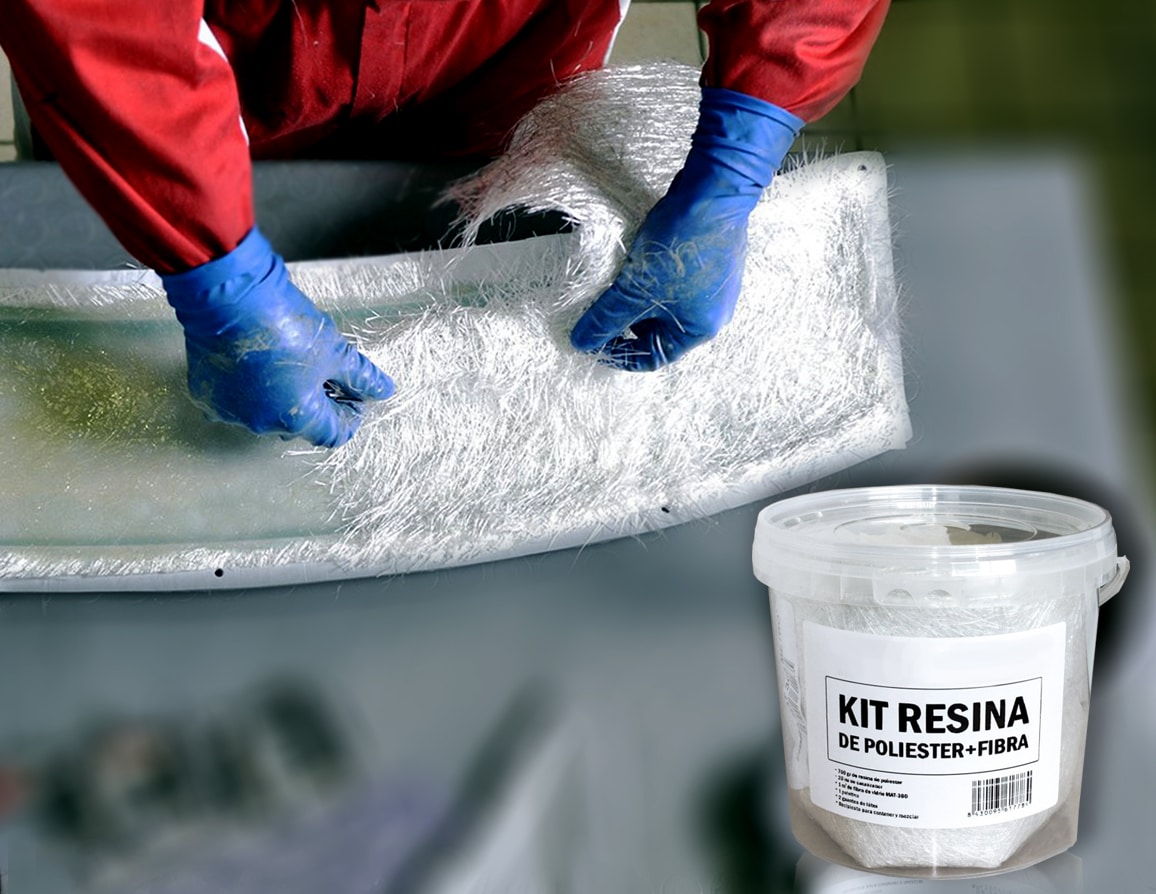
The correct choice depends on the material you are sealing or repairing. For rigid structural patches on fibreglass, metal, wood, porcelain, polyester or rigid plastics, a complete kit such as the Resin Fibreglass Repair Kit provides a reinforced waterproof repair layer. For larger flat or driveable surfaces such as concrete, tiles and properly prepared steel, a two-component polyurethane coating can produce a smooth, weather-resistant finish. For exterior timber, a low-viscosity epoxy wood treatment is designed to penetrate and waterproof the wood rather than form a thick surface layer.
When this matters
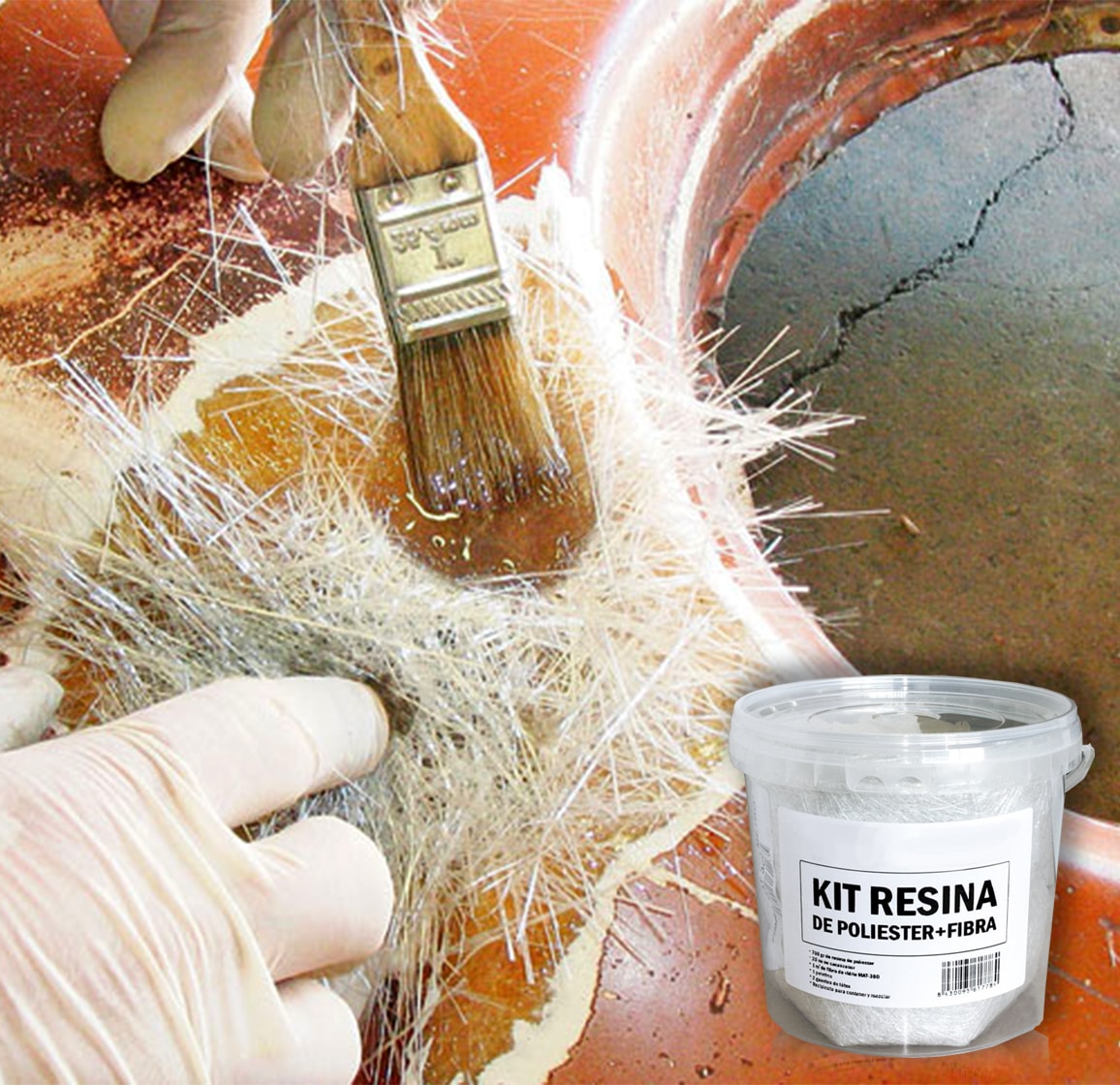
Waterproofing matters most when roof leaks have already reached insulation, deck boards, or supporting timbers. A correctly applied resin system can help limit further moisture absorption, but it is not a substitute for fixing drainage issues or replacing structurally compromised material. If water is still entering from an active leak, it is usually better to identify and address the source before sealing over the affected area.
Related products
Related guides
For more guidance on combining waterproofing with insulation and roof repairs, visit the full roof leak insulation solutions guide.