 Free shipping on orders over £29,85
 Shipping Tracking!



 Google
 Facebook
Are Resin Coatings Suitable for Camper Van Bathrooms?
← Back to Waterproofing Kit for Camper Van on Sale
Quick answer
Resin coatings are a practical waterproofing option for camper van bathrooms when applied over the right substrate. PU coatings and decorative epoxy resin systems both perform well in high-moisture spaces, forming a water-resistant barrier that protects walls and panels from repeated splash, steam, and cleaning. The correct choice depends on the surface material, level of movement, and desired finish, but both systems are commonly used in compact van washrooms and kitchens.

Planning a van bathroom usually means working with fibreglass, plastic, or wood panelling, often on vertical and slightly curved surfaces. The practical question is less whether resin can work and more which type suits the substrate and the finish you want.
PU coatings for a hard-wearing wet area
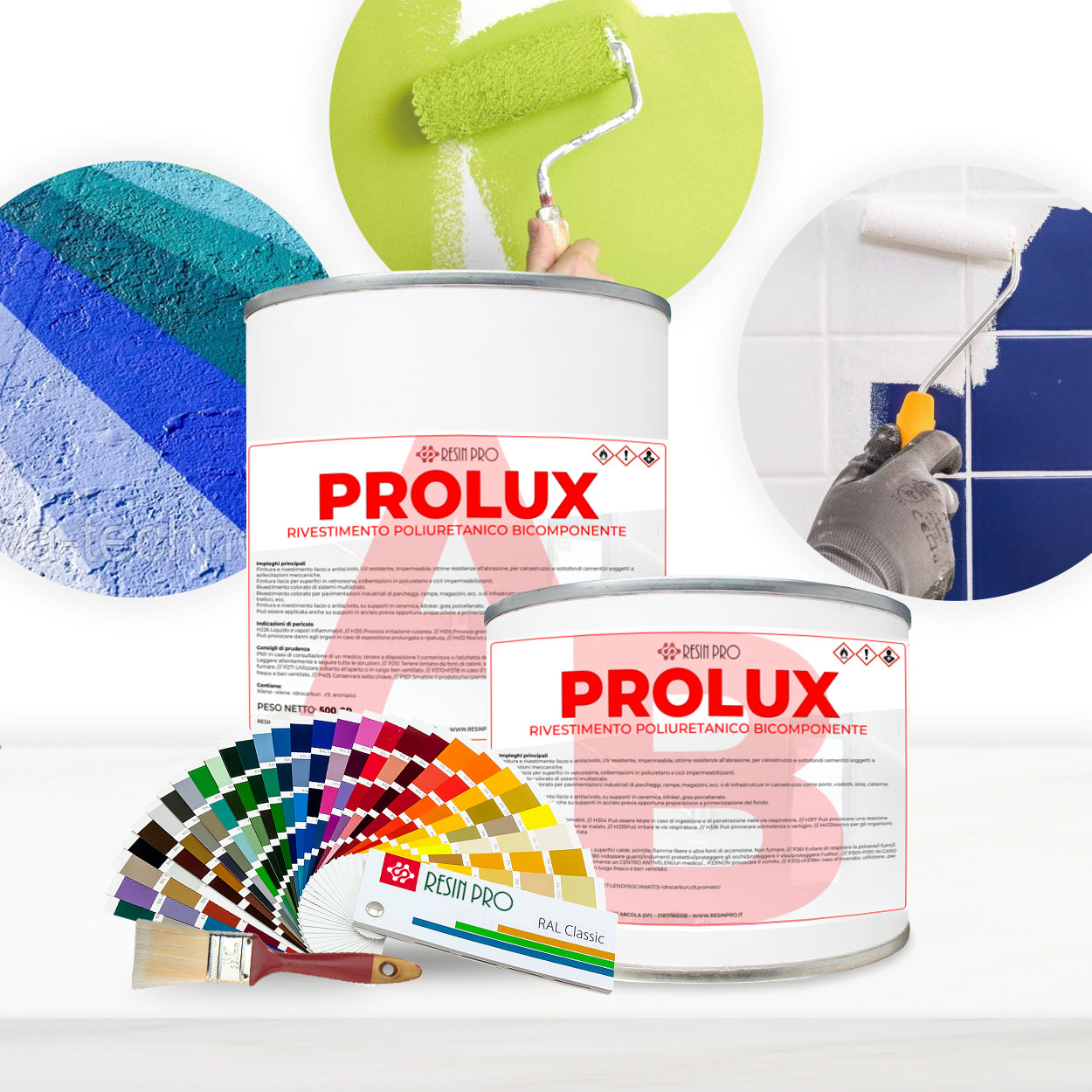
Polyurethane coatings are a strong starting point for camper van bathrooms because they combine waterproofing with abrasion resistance. A two-component PU coating such as Prolux PU coating is suitable for concrete, fibreglass, ceramic, plastic, and properly prepared steel, which covers many common van conversion surfaces.
- Waterproof finish that handles damp and high-moisture areas
- UV and abrasion resistance helps prevent yellowing and scuffs in small, frequently cleaned spaces
- Gloss or satin choice allows you to match the look of the rest of the interior
Decorative wall resin where texture matters
For vertical and sloping shower walls, a thick epoxy coating like Vertical Glass can be useful because it does not self-level. That makes it easier to keep a textured or patterned surface while still adding a clean, washable barrier.
- Suitable for tiles, cement, wood, and bricks
- Can be tinted with pigments, including metallics, for a custom finish
- Glossy finish is easy to wipe down in high-moisture areas
When surface preparation matters most
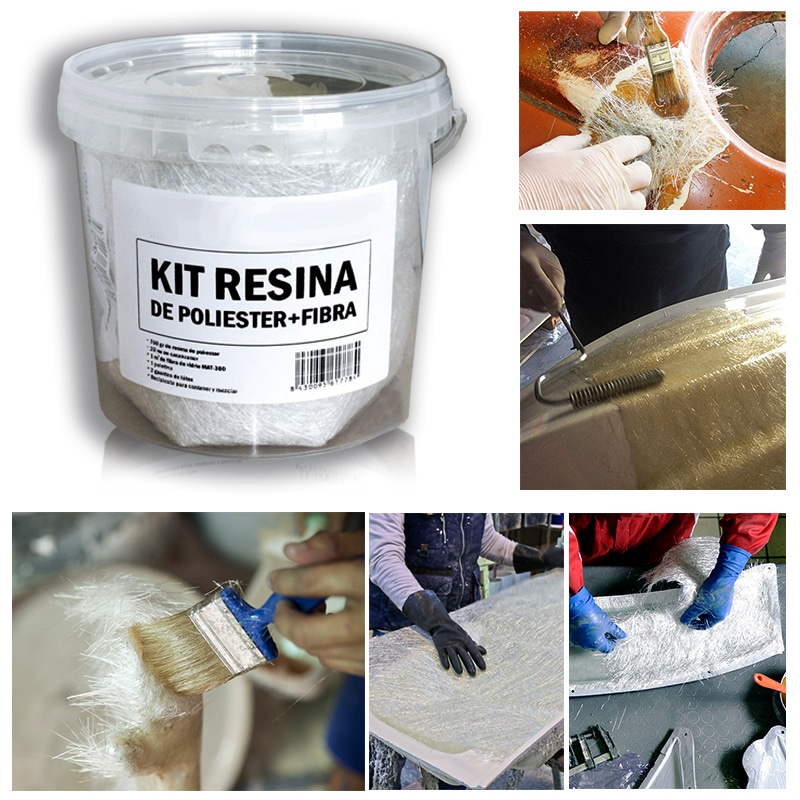
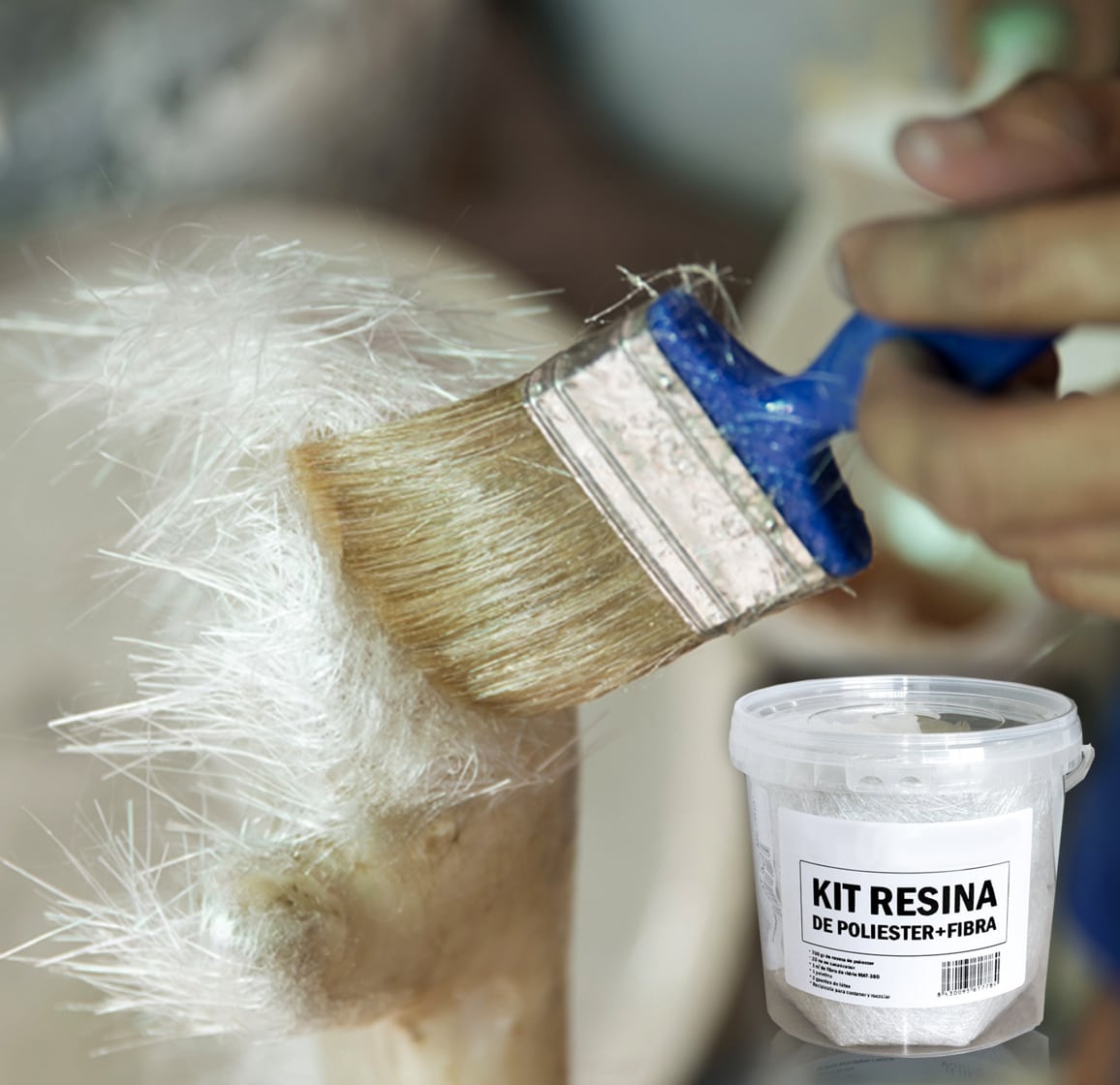
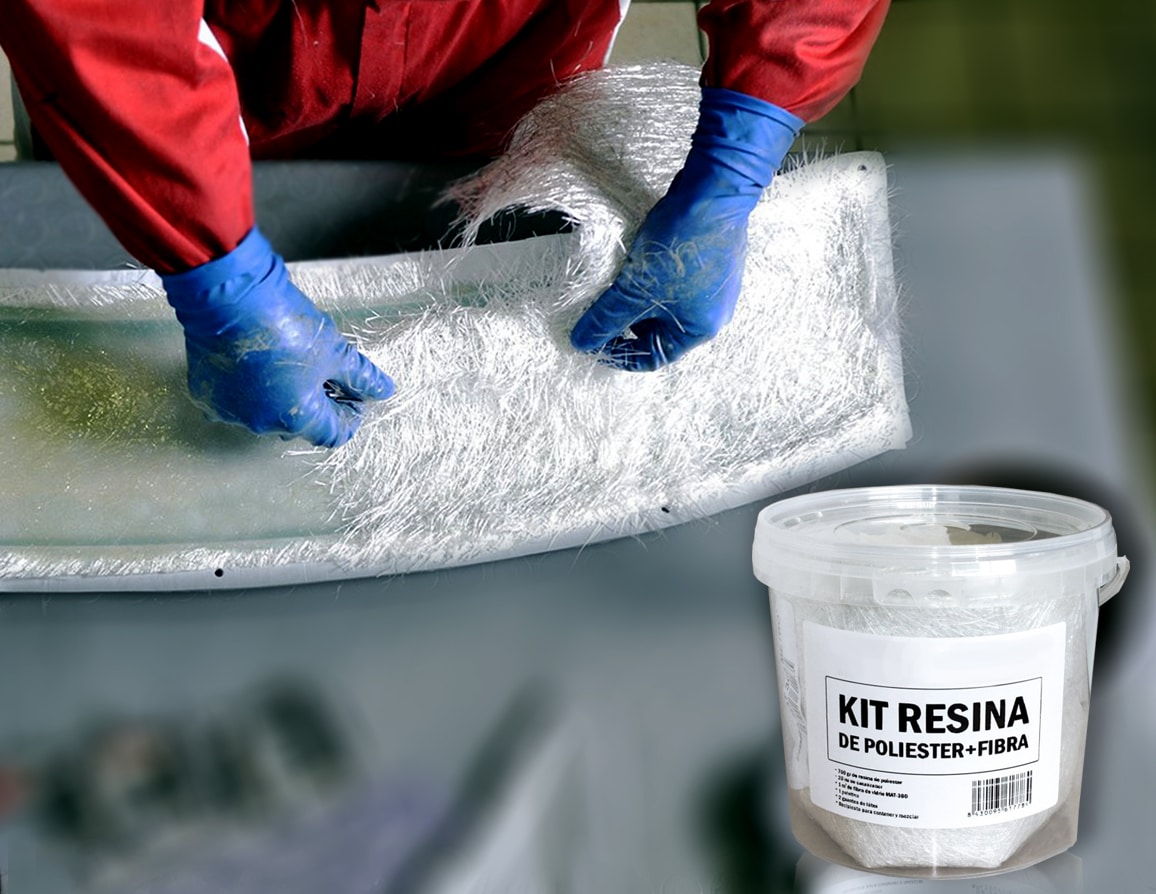
Resin is only as reliable as the surface beneath it. In a camper van bathroom, panels should be clean, dry, and lightly abraded before coating. Any existing cracks or weak spots in fibreglass or rigid plastic should be repaired first; a polyester fibreglass repair kit can create a stable base for a topcoat.
Ventilation during application is also important, and a small test patch will help confirm adhesion before coating the whole area.
Related products
Related guides
Whether you lean towards a PU coating or a decorative wall resin, both can play a useful role in keeping a camper van bathroom dry and easy to maintain. Compare the waterproofing kit options for camper vans on sale to match the resin to your specific wall, floor, and sealing project.