 Free shipping on orders over £29,85
 Shipping Tracking!



 Google
 Facebook
Best Waterproofing Coating for Wood in Campers
← Back to Camper Waterproofing Using a Roller or Spray
Quick answer
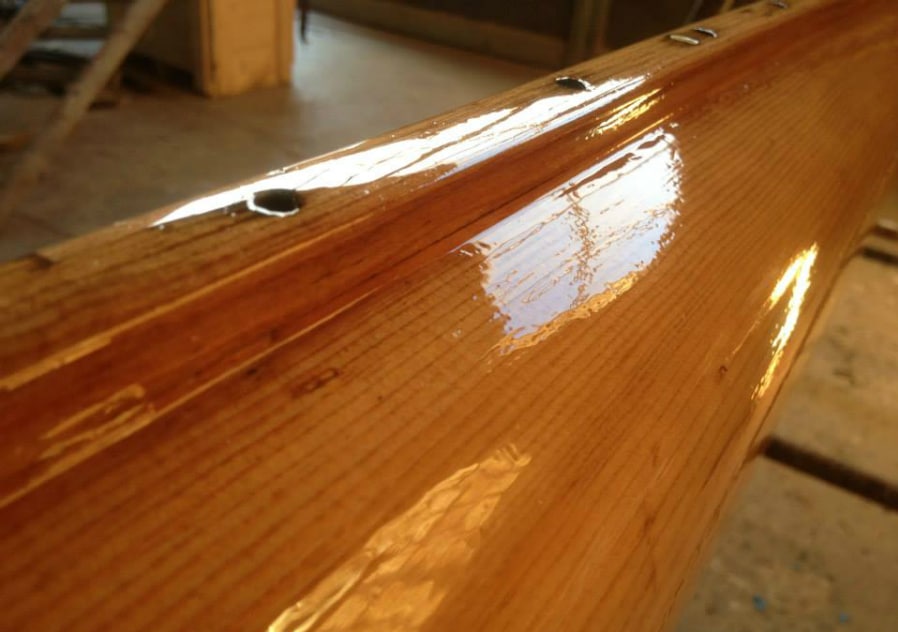
Epoxy resin is the recommended waterproofing coating for wood in campers when the timber is dry and sanded. A low-viscosity product such as EpoxyWood soaks into the wood fibres, creates a moisture-resistant barrier, and reinforces soft or weathered areas without forming a thick surface film. This makes it particularly useful for plywood panels, framing, and interior wooden fittings exposed to condensation or occasional damp inside campervans and motorhomes.
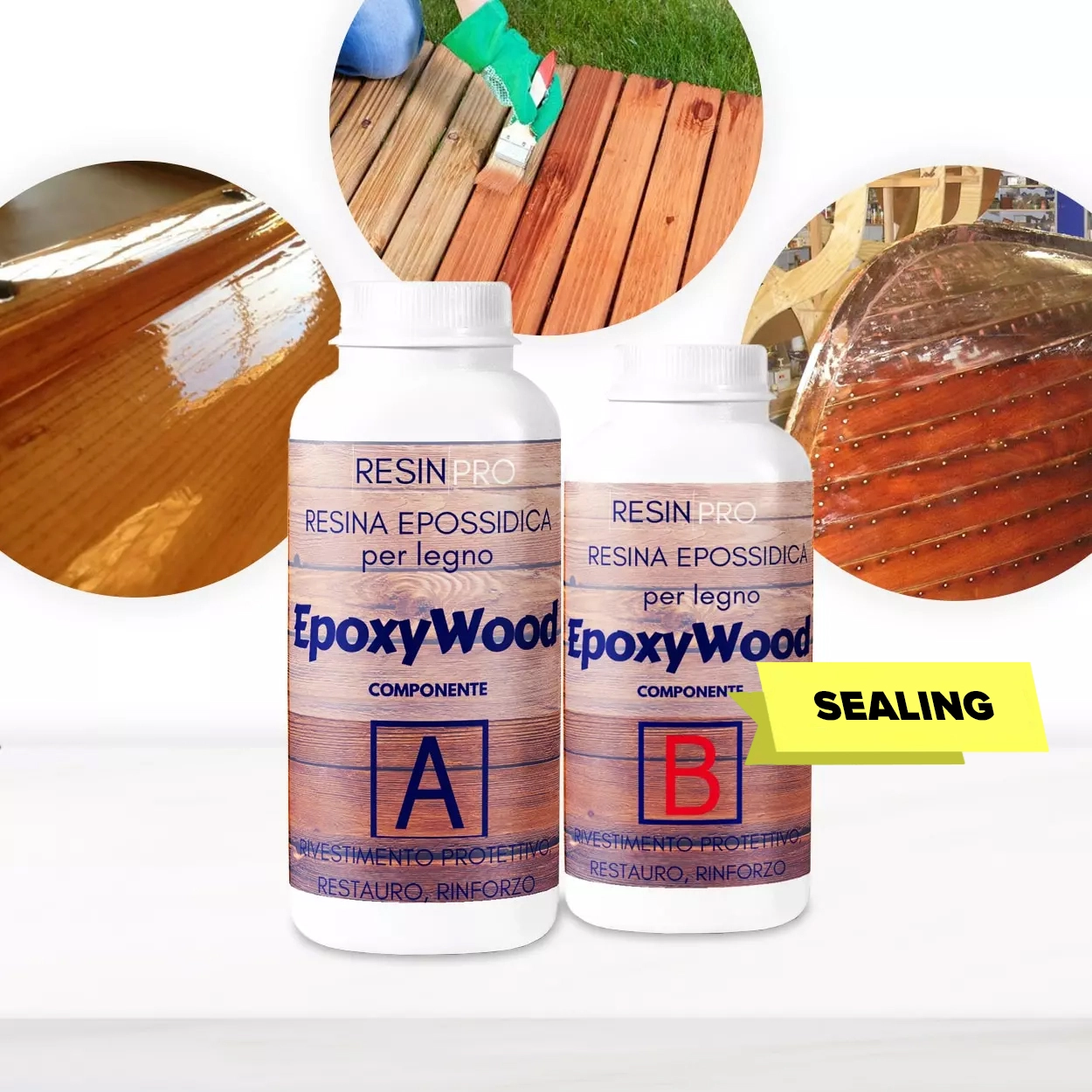
Because camper interiors experience regular temperature swings and condensation, a surface-only coating can struggle to keep moisture out of timber. A penetrating epoxy works from the inside of the wood, which is why dry, sanded preparation and careful application matter as much as choosing the right product.
Why penetrating epoxy works better than ordinary wood sealers
Conventional paints and varnishes often sit on top of the timber, so any crack, screw hole, or edge can let water travel underneath. A low-viscosity epoxy such as EpoxyWood is different: it absorbs into the wood pores before curing, which helps to create a waterproof body rather than just a waterproof skin. This is useful in campers, where movement, vibration, and changes in humidity can open up small gaps around joins.
For the best bond, the wood should be dry and sanded. Old finishes, wax, or soft decayed fibres should be removed first so the resin can penetrate evenly rather than pooling on the surface.
Preparing wood and applying the coating in a camper
Most issues with waterproofing timber come from water trapped beneath the coating, not from the resin itself. Start by making sure the wood is genuinely dry and sanded back to a sound surface. Remove all dust before mixing the resin, and work in small batches so the product does not begin to cure before it has been absorbed.
- Remove loose fibres, old flaking finish, and any soft or decayed areas.
- Sand to open the grain, then vacuum or wipe away dust.
- Use a short-pile resin application roller for thin, controlled coats on flat panels.
- Apply in thin coats and allow the resin to cure fully before adding another layer or refitting furniture.
When a penetrating epoxy matters most
A deep-penetrating coating is particularly worthwhile on plywood edges, window frames, roof vent cutouts, and any timber that sits close to an external skin or door seal. In these positions, moisture tends to enter through the end grain or fixings rather than across the face, so a flexible surface film alone is unlikely to protect the wood for long.
If the wood is structural or difficult to replace, the reinforcing effect is as valuable as the waterproofing. Treating it before visible rot appears can save a much larger repair later.
Related products
Related guides
Wood is only one part of camper waterproofing, but it is often the first material to show moisture damage. Once the timber has been sealed with a penetrating epoxy, you can turn your attention to other surfaces. A roller or spray technique remains useful across the project, but the priority is always clean, dry preparation and an even coat that lets the resin work where water would otherwise find a way in.