 Free shipping on orders over £29,85
 Shipping Tracking!



 Google
 Facebook
Can Anti-Infiltration Products Be Used Indoors and Outdoors?
← Back to Professional anti-infiltration product
Quick answer
Professional anti-infiltration products can be used both indoors and outdoors when the surface is correctly prepared and the selected formulation is compatible with the intended environment. Outdoor use requires coatings that tolerate UV exposure, rain and temperature changes, while indoor applications often benefit from low-odour or breathable systems. A product’s suitability ultimately depends on the substrate, moisture levels and the specific demands of the location.
The short answer is yes: many anti-infiltration coatings and sealers cross over between interior and exterior jobs. The important part is not just the label but the preparation and the conditions the product will face. Here is what to check before choosing one.
What makes an anti-infiltration product suitable for both indoor and outdoor use?
Products that work well in both settings tend to share a few practical qualities. They should be resistant to UV light and weathering if they will face sunlight, and they should remain stable in damp or humid indoor spaces such as garages or basements. Good adhesion to the prepared substrate matters just as much as weather resistance.
- UV and weathering resistance – important for outdoor exposure and sunny internal areas.
- Breathability – helpful where moisture vapour needs to escape without lifting the coating.
- Adhesion to multiple surfaces – concrete, ceramic, plastic and prepared steel often require different primers.
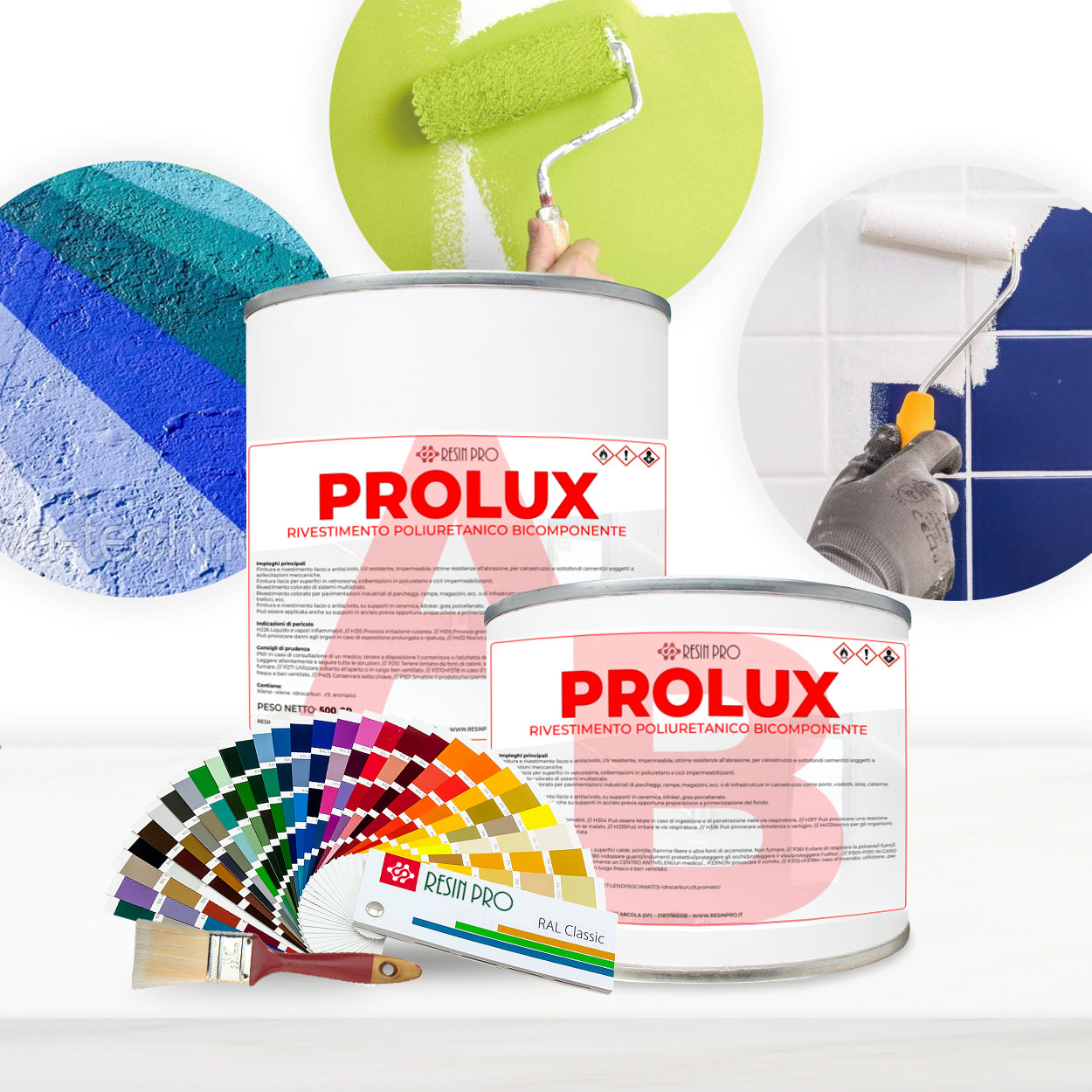
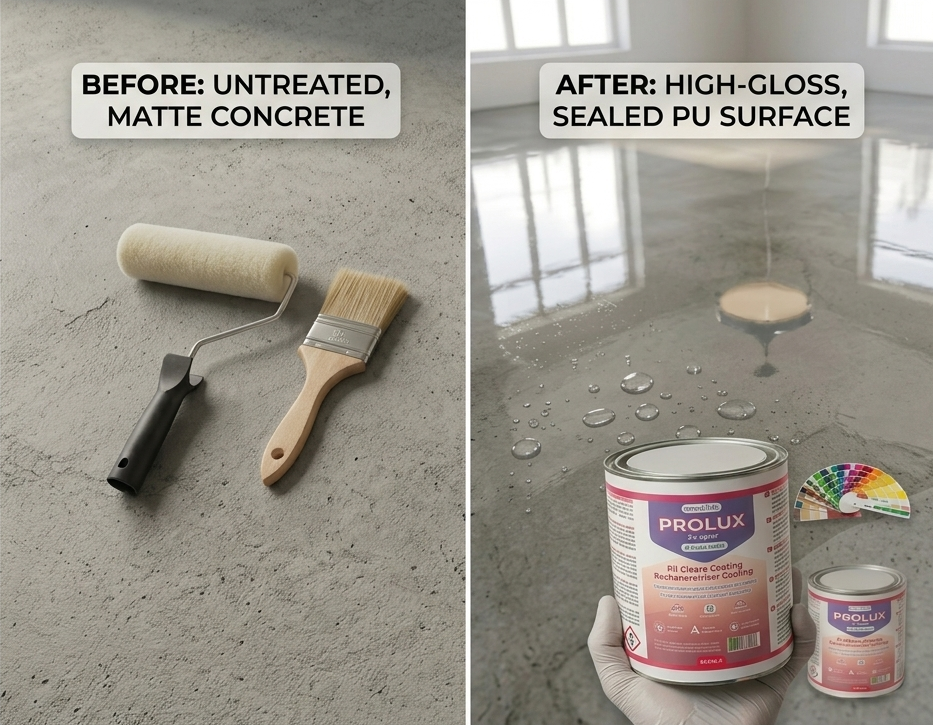
For example, a two-component polyurethane coating like Prolux PU coating is formulated for both high-traffic indoor floors and external parking areas, making it a useful reference when comparing products.
Indoor and outdoor application considerations
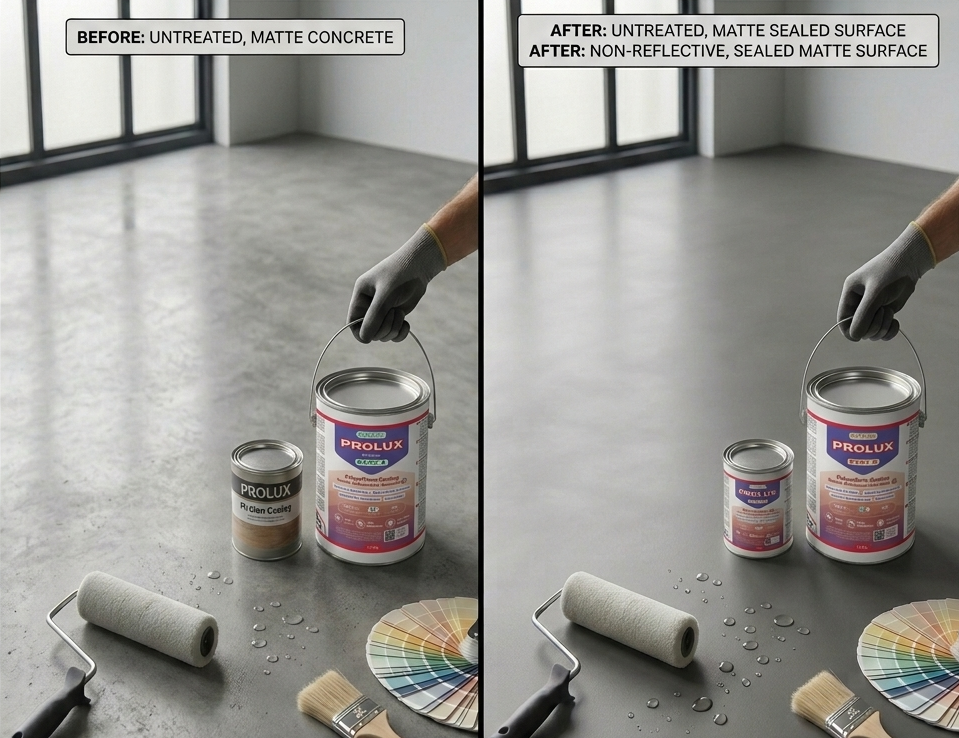
Indoor environments tend to be more controlled, but they can still involve moisture, temperature swings and foot traffic. Outdoor environments add direct rain, UV ageing and thermal movement. Choosing a product that matches these conditions reduces the risk of peeling, clouding or water ingress.
- Indoors: check odour, VOC content and drying time, especially in occupied rooms.
- Outdoors: look for UV stability and resistance to rain and frost.
- Both: ensure the surface is clean, dry and properly primed before application.
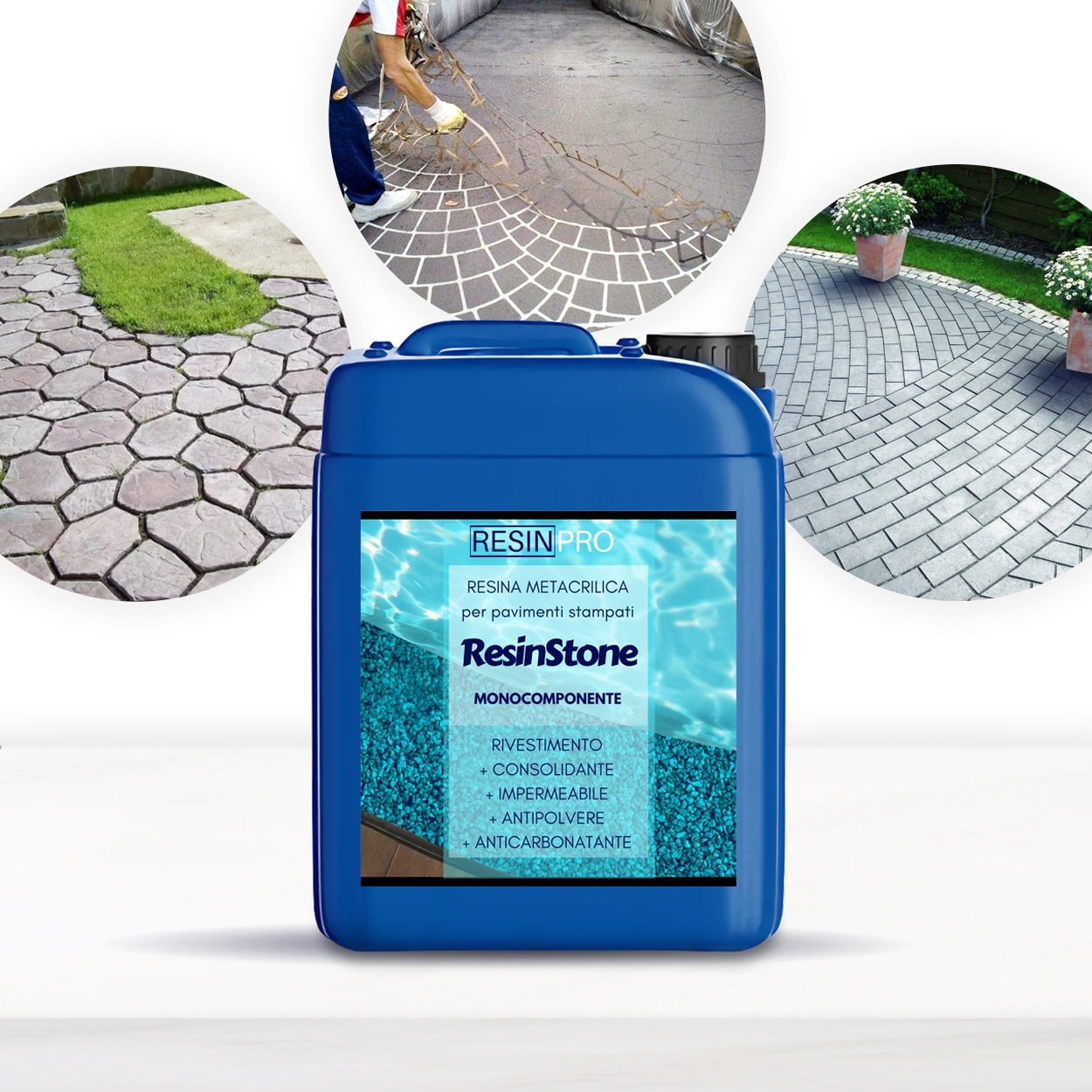
For concrete floors and driveways that may move between sheltered and exposed conditions, a one-component methacrylic resin like Resinstone is designed to seal pores while remaining breathable, which can support indoor garages and outdoor paths alike.
When this matters
This decision matters most when a single project spans both environments, such as a garage that opens onto a driveway or a covered walkway leading to an open patio. In these cases, using one product for the whole area can help maintain a consistent finish, but only if it can handle the most demanding exposure.
If repairs are needed before sealing, a reinforced filler like CROP 2K Fiberglass Putty can be used to fill cracks and dents, creating a sound base for the anti-infiltration coating.

Related products
Related guides
Ultimately, indoor and outdoor suitability comes down to matching the product to the surface and the conditions. Explore the professional anti-infiltration product range to compare options that suit your specific project.