 Free shipping on orders over £29,85
 Shipping Tracking!



 Google
 Facebook
Can Epoxy Coatings Be Used on Sloped Wood Roofs?
← Back to Waterproofing Wooden Roofs
Quick answer
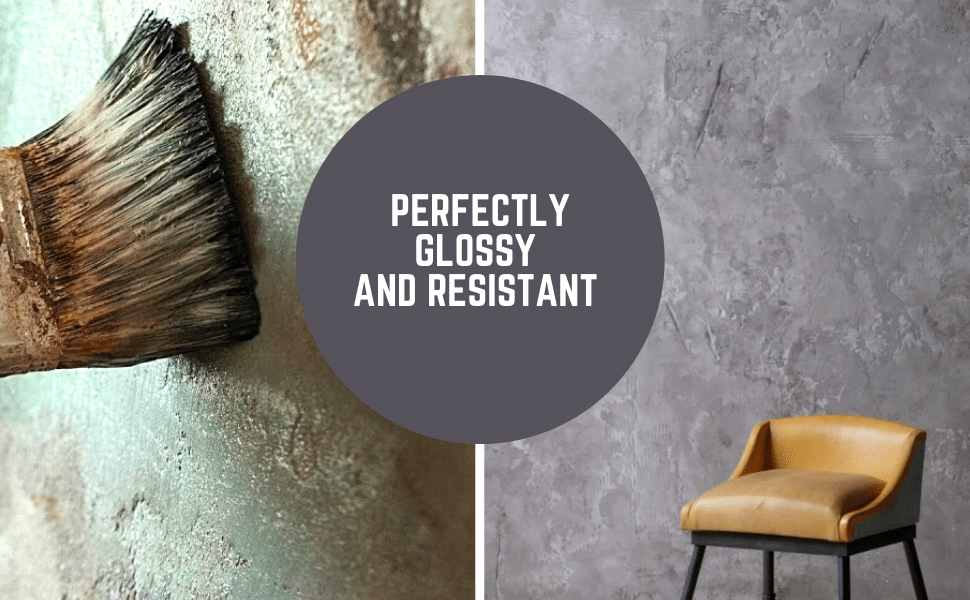
Thick epoxy coatings are a viable option for sloped wood roofs when a high-viscosity, non-sagging resin such as Vertical Glass is chosen. These coatings are formulated to stay in place on angled and vertical timber surfaces, providing a decorative, durable and water-resistant finish. They are applied by spatula rather than poured, which helps maintain texture and control film thickness. For best results, the wood must be dry, sound and properly prepared, and the coating is best suited to interior or covered roof structures.
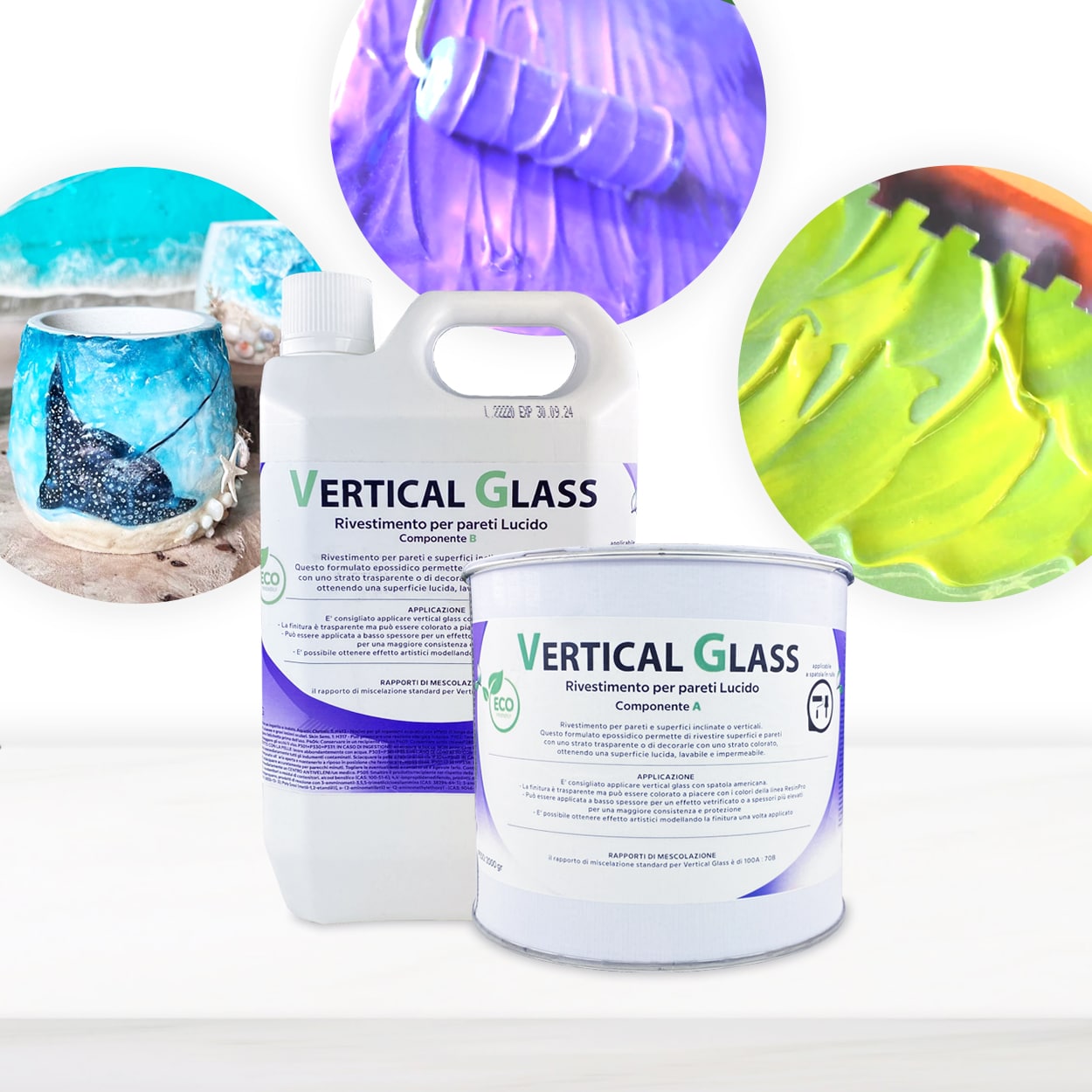
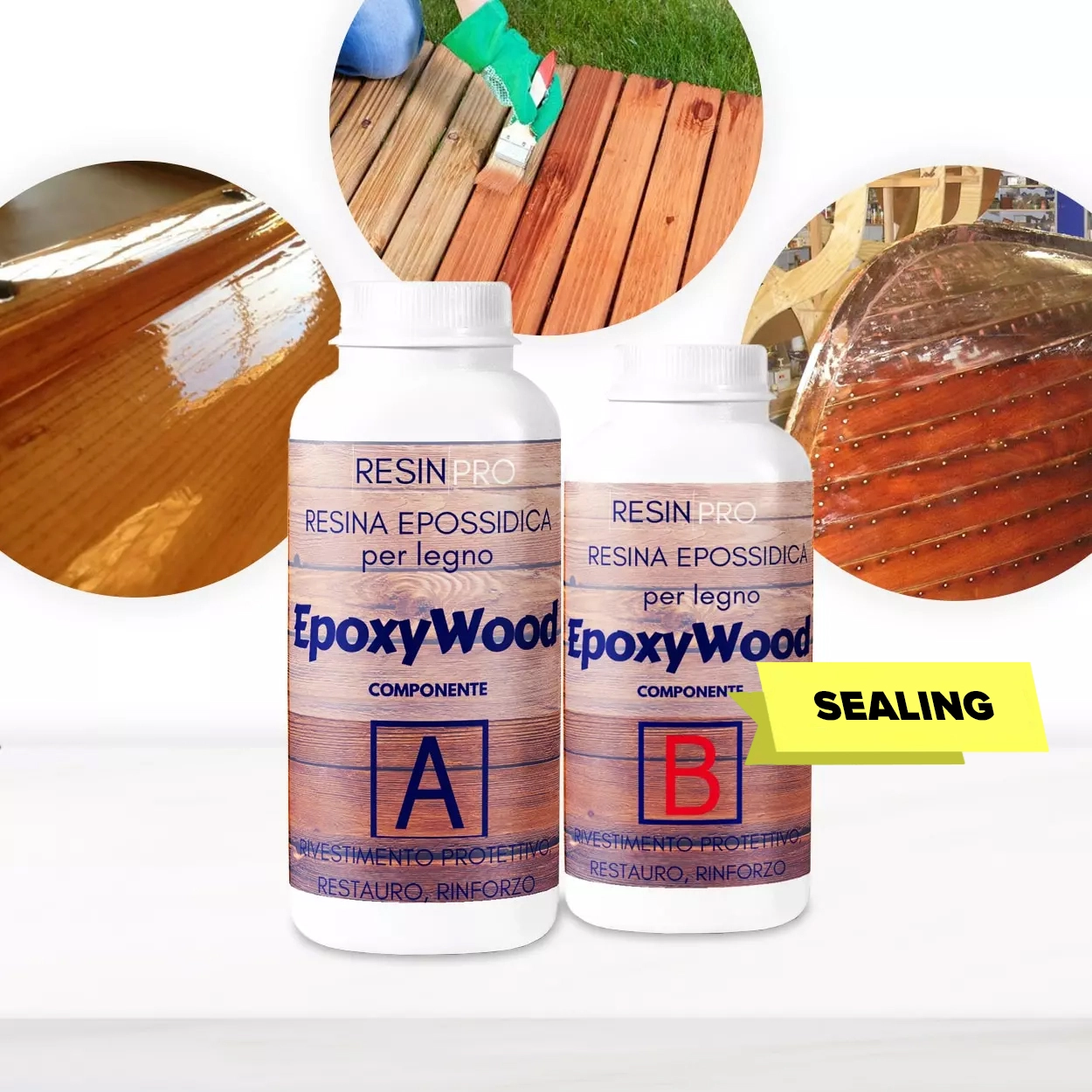
On a sloped wooden roof, the most common problem is run-off. A standard self-levelling epoxy will quickly flow towards the lower edge, leaving thin patches and uneven coverage. Choosing a thick, non-sagging coating such as Vertical Glass avoids that issue, provided the timber is prepared correctly and the environment is suitable.
Why viscosity matters on sloped timber
Standard epoxy resins are designed to self-level, which is helpful on horizontal surfaces but unsuitable on a slope. As soon as they are applied, gravity pulls the liquid downwards. A thick resin like Vertical Glass has a much higher viscosity and does not self-level, so it remains where it is placed and can hold a spatula-applied texture.
That behaviour is essential for achieving even coverage across rafters, boards or tongue-and-groove sections without pooling at the lower edge.
Preparing wood for a slope-stable coating
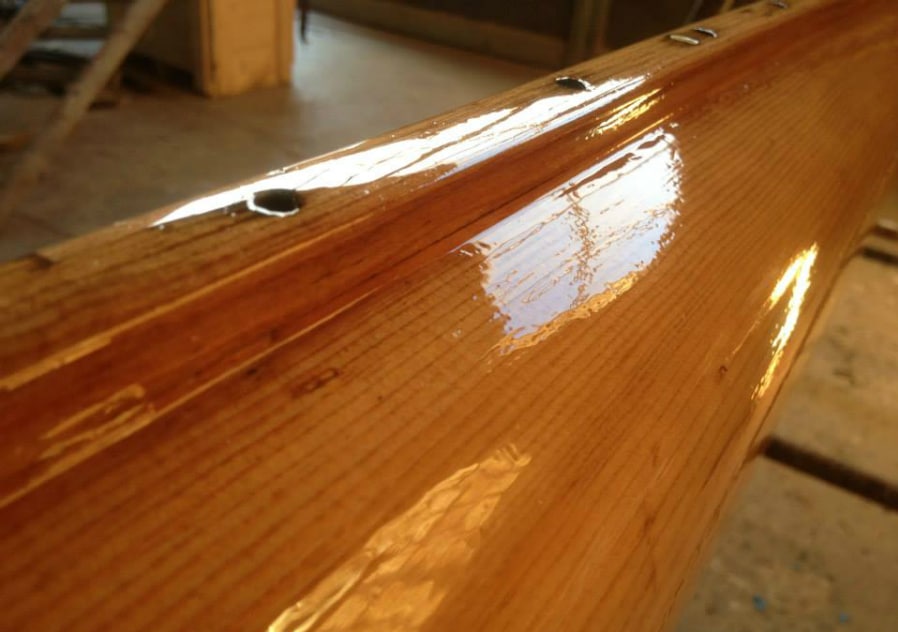
Even the best non-sagging epoxy will struggle if the timber is damp, dusty or unstable. Start by removing loose fibres, old flaking finishes and surface dirt. The wood should be dry and sanded enough to give the resin a mechanical key. If the timber is soft or slightly porous, a low-viscosity wood restorer such as EpoxyWood can be used first to consolidate the surface before applying the thicker top coating.
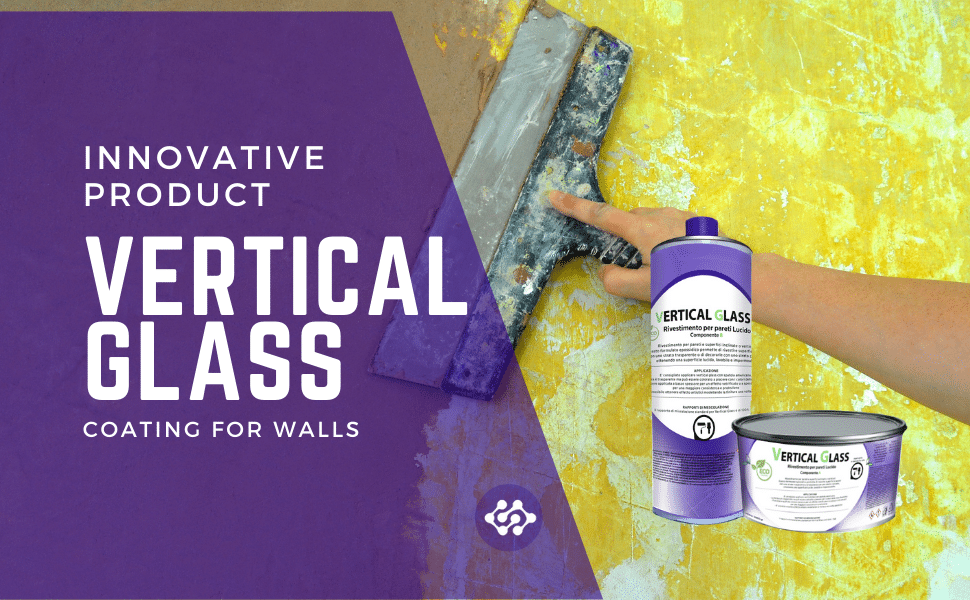
Vertical Glass can be applied with a spatula over prepared wood, cement, bricks and tiles. Work in controlled sections and avoid overloading the tool, as excess material can still slip on steeper pitches.
When a thick epoxy coating is the right choice
A thick epoxy system is most useful where you want a decorative, wipe-clean and moisture-resistant finish on a sloped wooden surface, such as a feature ceiling, covered roof eave or interior timber-clad roof structure. It is not a substitute for structural roof repairs, and it is not the best choice for a flat or low-pitch roof that benefits from a self-levelling pour.
Because Vertical Glass is UV-resistant but positioned for interior or covered environments, fully exposed exterior roof areas may need a different specification. If you are unsure, check the product data and consider a test area before committing to the full roof.
Related products
Related guides
Epoxy coatings can be a practical part of waterproofing work on sloped timber, but success depends on selecting the right viscosity and doing the preparation properly. For more on sealing, priming and protecting timber roof structures, see the full waterproofing wooden roofs guide.