 Free shipping on orders over £29,85
 Shipping Tracking!



 Google
 Facebook
Can Epoxy Mastic Repair Vertical or Overhead Holes?
← Back to Waterproofing a roof hole in a van
Quick answer
Thixotropic epoxy mastics are repair compounds formulated to bond and fill holes on vertical or overhead surfaces without running or sagging. In practice, this means a well-prepared repair can be applied from below or against a wall and stay in place while it cures. They are often used for stone, metal, and cement, and some formulas also offer weather resistance for exterior work. Surface preparation and a suitable application temperature remain important for a reliable bond.
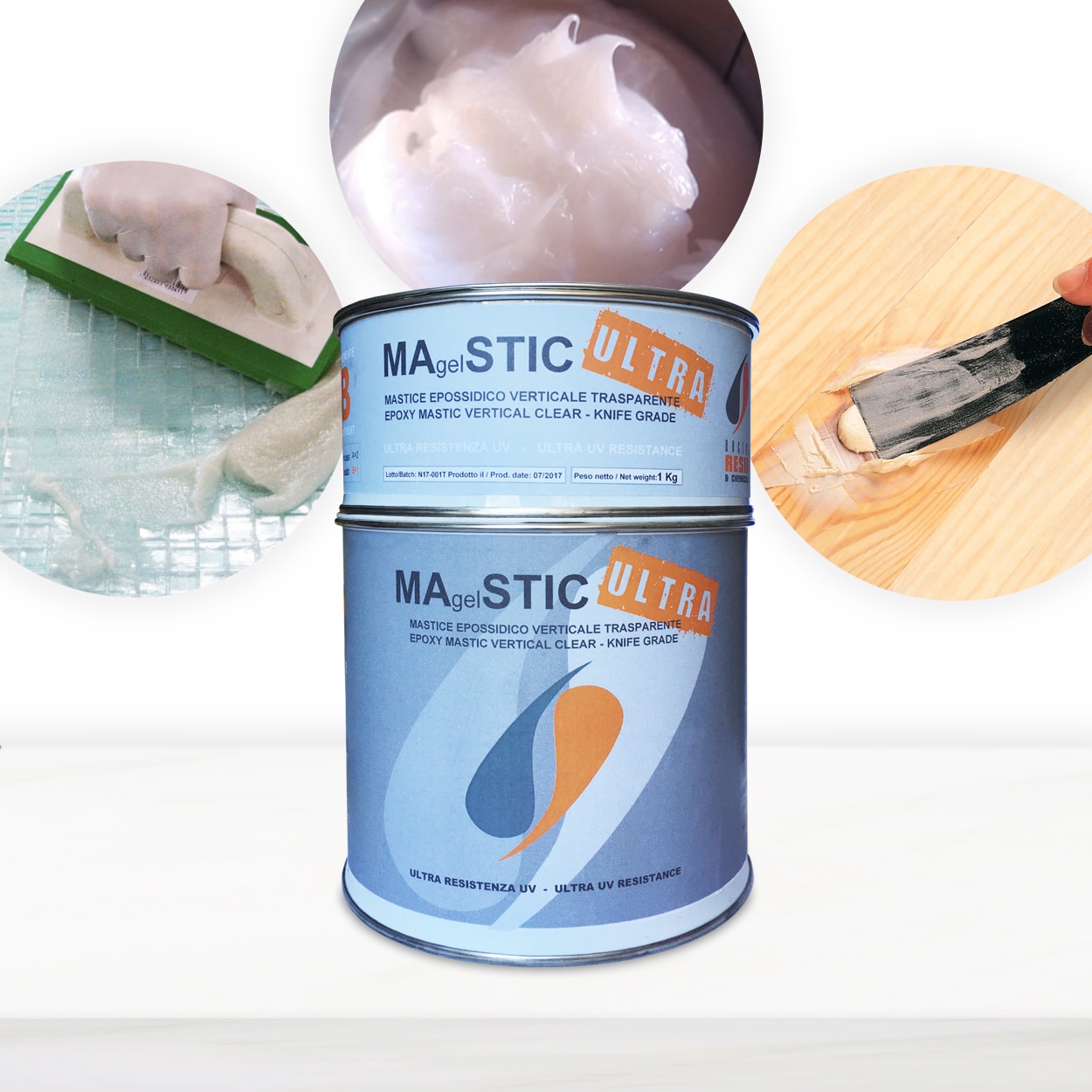

Yes. The key is using a thixotropic formula, which is designed to stay in place on upright and inverted surfaces rather than running out of the repair area. That makes it a realistic option for awkward overhead spots, provided the surface is clean, dry, and warm enough for the resin to cure properly.
Why thixotropic formulas suit vertical and overhead holes
When a repair is overhead, gravity works against ordinary liquid resins before they harden. Thixotropic epoxy mastics have a thicker, paste-like consistency that resists flow once applied. This allows the material to fill a vertical gap, stay in place, and cure with fewer drips or hollow spots.
They are commonly used where a strong, non-sag fill is needed on stone, metal, or cement. Some formulations also provide a degree of UV and weather resistance, which is useful for small exterior repairs exposed to rain and sun.
How to get a reliable overhead epoxy repair
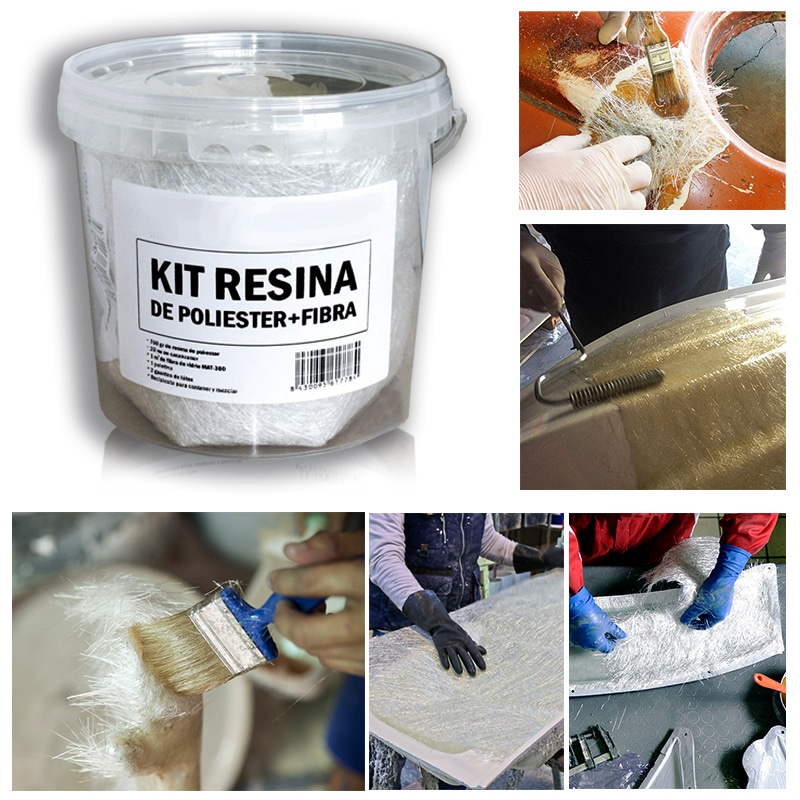
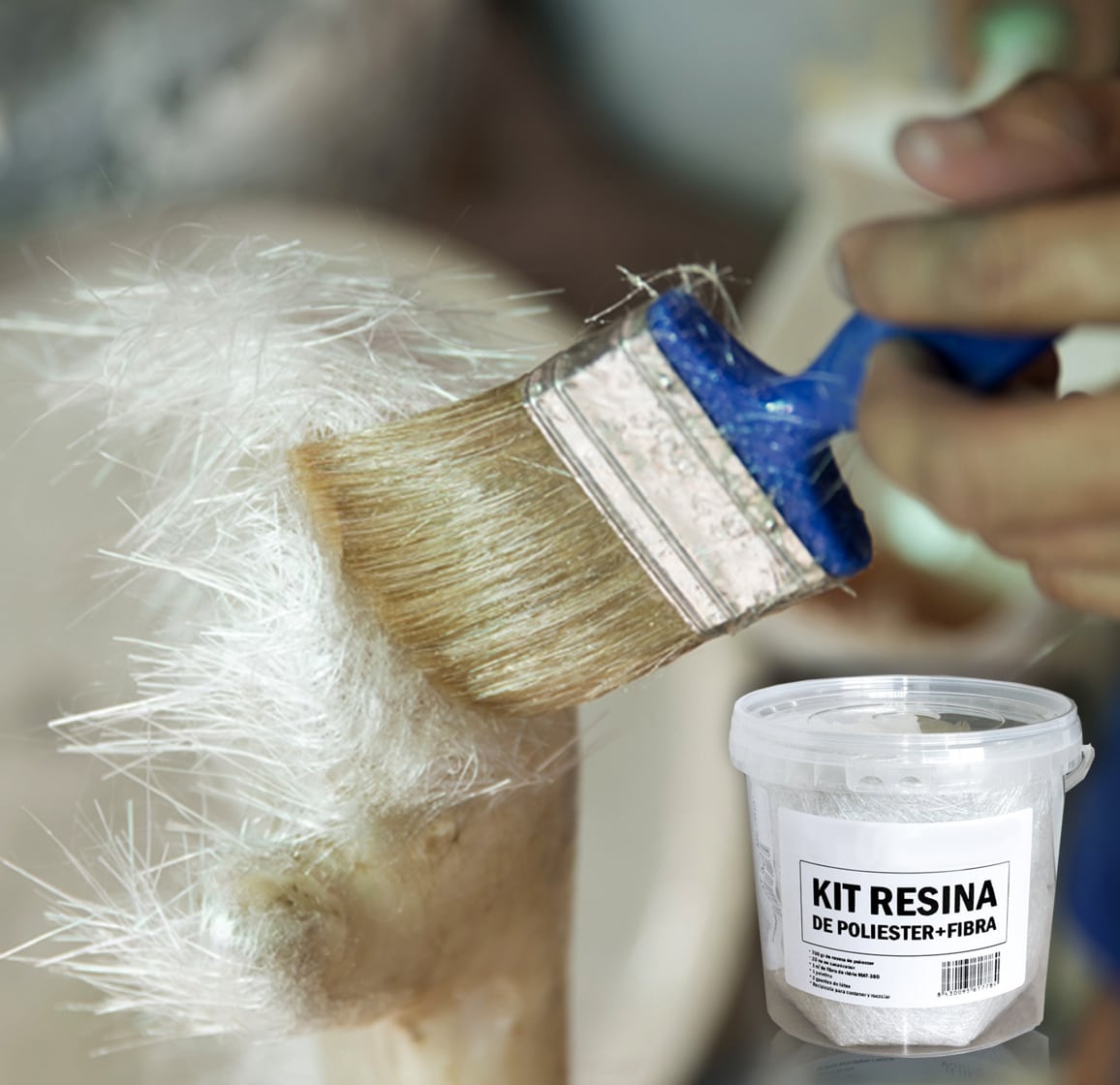
A reliable overhead repair starts with preparation. Remove loose material, rust, or previous sealant, then degrease and dry the surface. Many epoxy mastics should be applied at or above 10°C, so check the product’s technical guidance before mixing. Once mixed, push the mastic into the hole rather than brushing it over the surface; this helps the material key into the edges and reduces the chance of it falling away.
- For deeper holes, build the repair in layers rather than trying to fill it in one go.
- Use a backing pad or tape where the hole passes fully through the panel.
- Allow the full cure time before sanding, priming, or applying a waterproof topcoat.
For vertical stone and metal repairs, something like Magelstick Epoxy Mastic is formulated for this type of work.
When this matters for van roof repairs
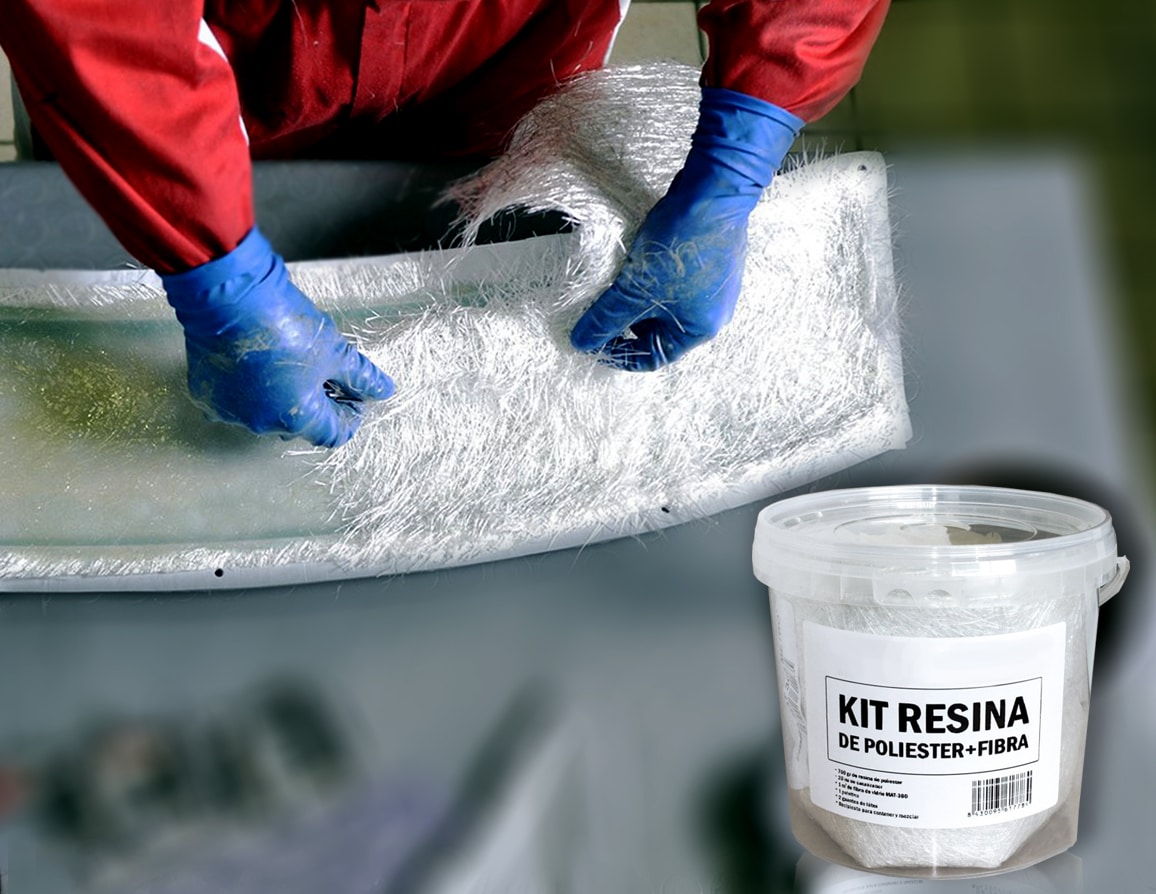
On a van roof, many holes are either vertical, curved, or directly overhead once you are working from inside. A standard liquid resin will tend to run away before it sets, leaving an uneven surface and a weak repair. A thixotropic mastic removes much of that difficulty, allowing you to close small penetrations or build up damaged edges before a fibreglass patch is applied.
In practice, the mastic often works as the first layer of a waterproof roof repair. It can restore shape around a hole and create a stable base, while a broader structural or waterproof layer completes the job.
Related products
Related guides
When waterproofing a roof hole in a van, the ability to fill vertical or overhead gaps without sagging is a practical advantage. Epoxy mastic is not always the only material required, but it can make the difference between a patch that stays put during curing and one that needs constant reworking. If the damage is larger, pairing a non-sag filler with a fibre-based repair system is often the most straightforward route to a weatherproof finish.