 Free shipping on orders over £29,85
 Shipping Tracking!



 Google
 Facebook
Can Fibreglass Putty Be Used on Camper Plastic Surfaces?
← Back to Roof primer included for camper
Quick answer
Fibreglass putty is a reinforced two-component filler that forms a strong bond on many rigid camper plastic and painted surfaces. CROP 2K Fiberglass Putty uses a polyester base with fibreglass reinforcement to fill cracks, dents and deeper damage, and can be sanded smooth before priming or painting. Preparation still matters: surfaces should be clean, dry and lightly keyed for a reliable repair.
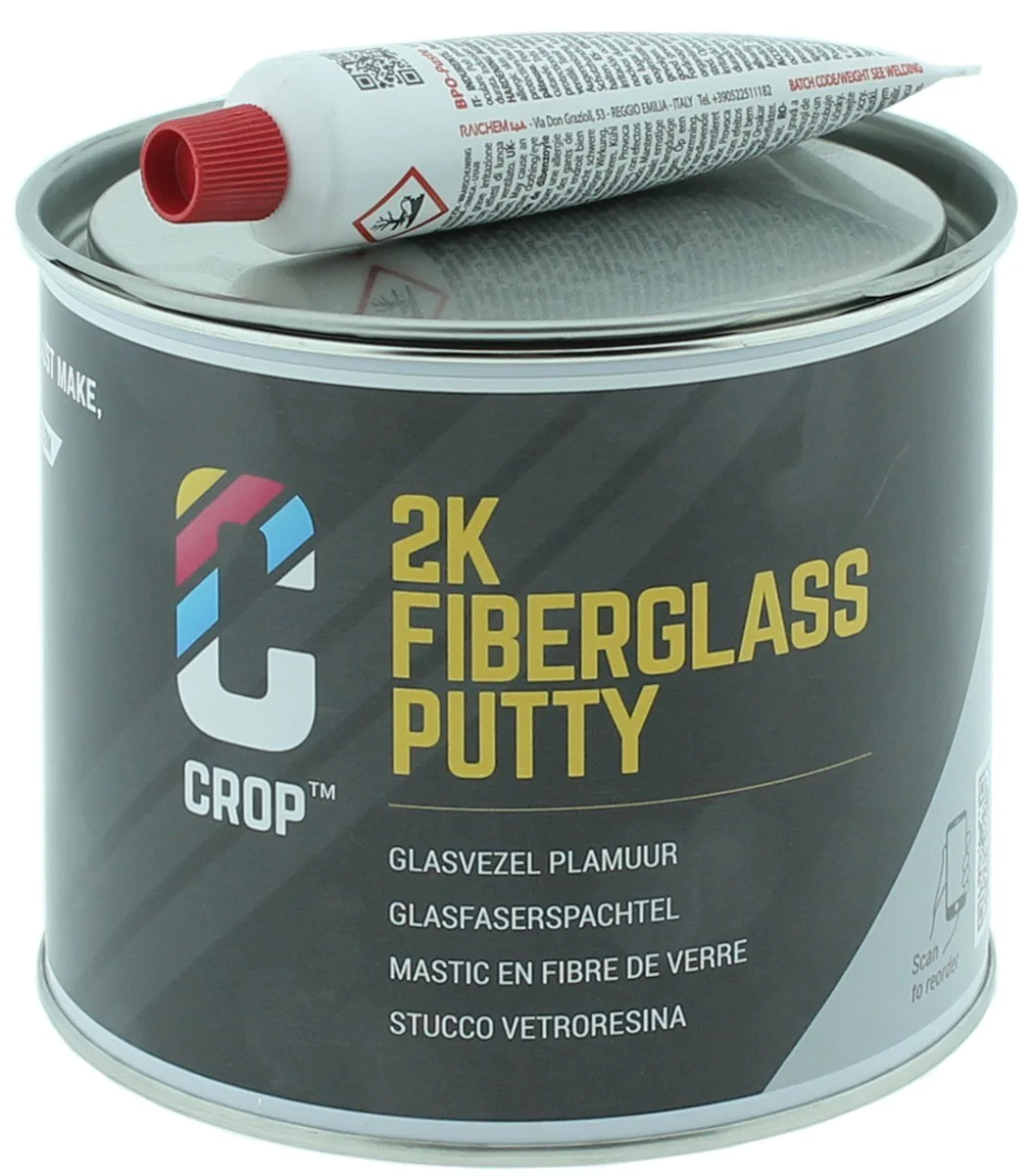

This makes it a practical option for patching cracks in camper plastic trim, interior panels or painted body sections. The key is understanding what the putty grips well, and where a flexible filler might be a better choice.
Where fibreglass putty works on camper plastics
CROP 2K Fiberglass Putty is formulated to bond to rigid plastic substrates and existing painted surfaces, which covers many common camper repair areas. It is reinforced with fibreglass, so it can build up deeper damage without slumping in the same way as a very light filler.
Typical uses include:
- Hairline cracks and chips in rigid plastic trims
- Dents or stress marks in painted body panels
- Small holes or grooves that need sanding back to shape
Soft, highly flexible plastics are less predictable with a rigid polyester filler, so test a small area first if the panel flexes noticeably.

Preparation and application on painted surfaces
Adhesion to paint and plastic is more consistent when the surface is prepared properly. Remove loose or flaking paint, then sand the area with a medium grit to create a mechanical key. Wipe away dust and degrease before mixing the putty.
- Mask off surrounding trim to keep sanding marks contained
- Mix the two components thoroughly until the colour is even
- Apply in thin layers, building up deep fills rather than forcing one thick mass
The putty cures hard enough to be shaped and sanded, so resist the urge to overfill. You can always add more after a first sanding pass.
Finishing, priming and painting after the repair
Once the putty has cured, sand it back with progressively finer grits until the repair is level with the surrounding surface. Because the product is designed to be sanded before priming and painting, it leaves a workable base for the next stage.
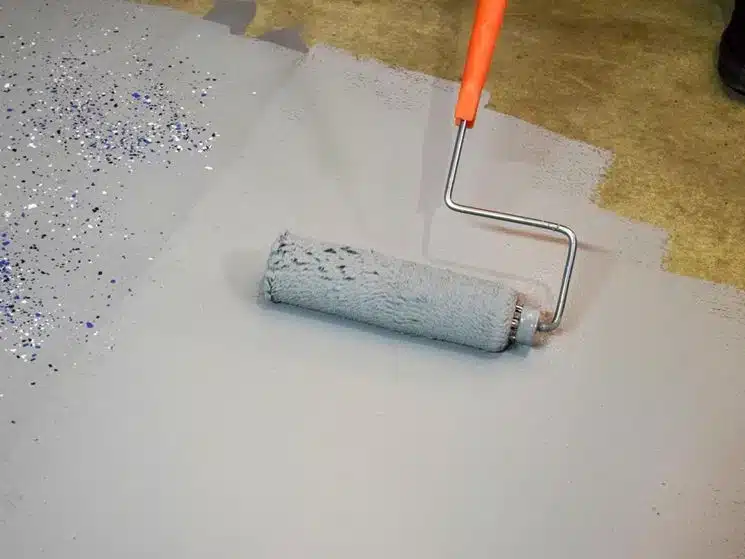
On camper floors or areas where a primer is part of the overall job, a universal water-based epoxy primer such as Epoxyprimer can help improve adhesion before resin or paint coatings. For external panels, follow the paint system’s own primer recommendations.
Related products
Related guides
Whether you are repairing a cracked roof vent surround, a scuffed bumper corner or a painted trim piece, fibreglass putty can be a strong starting point. Once the fill is sanded, the right roof primer for camper work helps create a clean foundation for the topcoat and keeps the repair stable over time.