 Free shipping on orders over £29,85
 Shipping Tracking!



 Google
 Facebook
Waterproofing Vertical and Sloped Roof Cracks
← Back to Waterproofing Roof Cracks
Quick answer
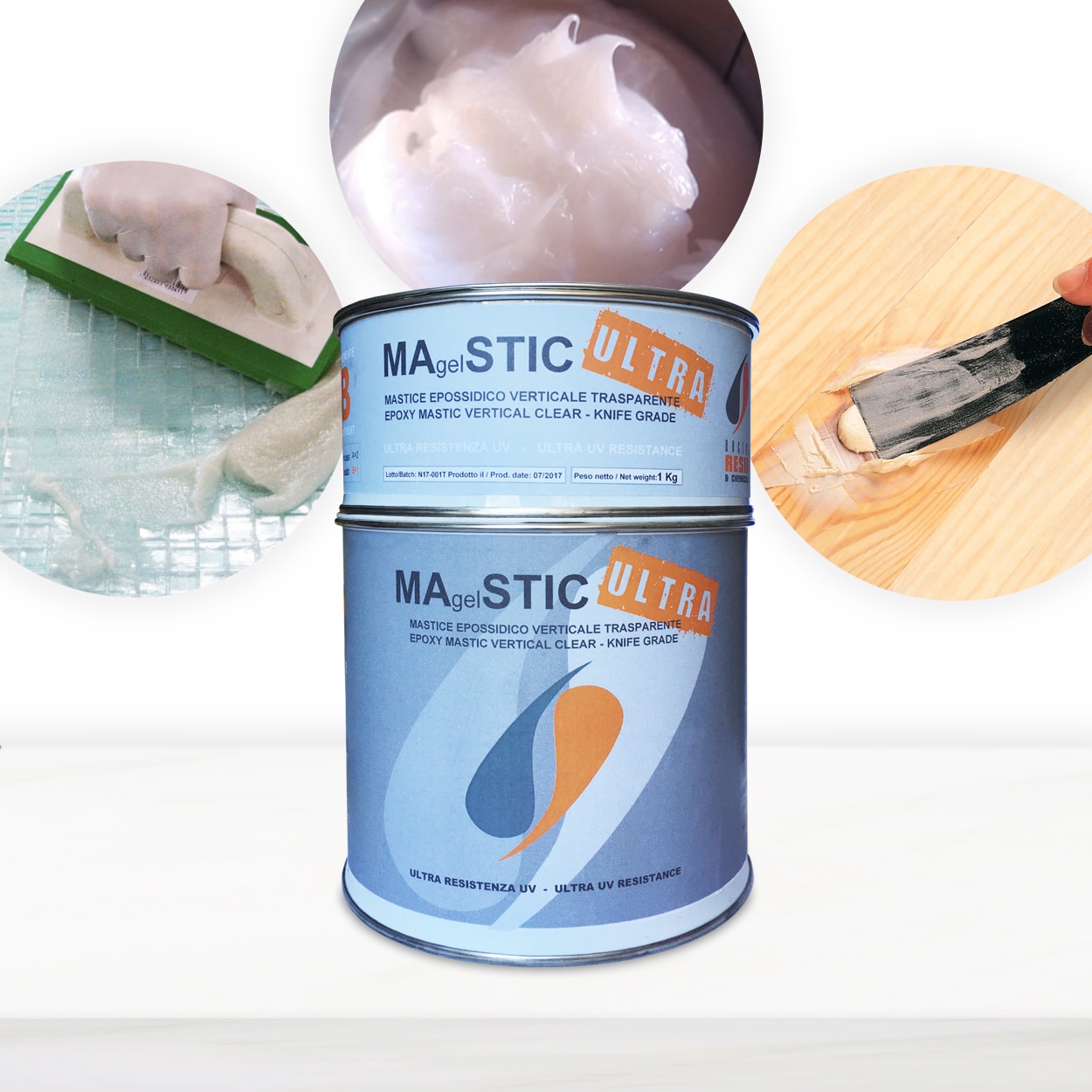
Epoxy mastics with a thixotropic formula are the most dependable choice for vertical or sloped roof cracks because they remain in place during application instead of running or sagging. A product such as Magelstick epoxy mastic is formulated for upright stone, metal and cement surfaces, allowing controlled filling and bonding without constant rework. This non-sag behaviour simplifies crack sealing and helps create an even base before any reinforcing or protective layer is added.

Roof cracks rarely sit perfectly flat, especially around parapet walls, rooflights and pitched sections. Choosing a material that stays in place makes the repair more controlled and reduces the chance of a thin, weak fill. The guidance below focuses on non-sag options for vertical and sloped surfaces.
Why thixotropic mastics work on vertical cracks
Liquid resins and thin sealants tend to run when applied to a slope. A thixotropic epoxy mastic has a paste-like consistency that stays put until it is pressed or tooled. This makes it easier to fill a crack on a wall, parapet, or pitched roof without the material draining out before it cures.
The benefit is most obvious on narrow cracks where a runny product would leave a weak, uneven fill. With a non-sag mastic, you can work the material into the opening and smooth it flush in one pass.
Choosing a repair product for sloped cracks
A two-component epoxy mastic such as Magelstick Epoxy Mastic is designed for bonding and filling stone, metal, and cement. Its thixotropic formula prevents running on vertical surfaces, and it is UV and weather resistant for exterior use. Application is recommended at temperatures of 10°C or above.
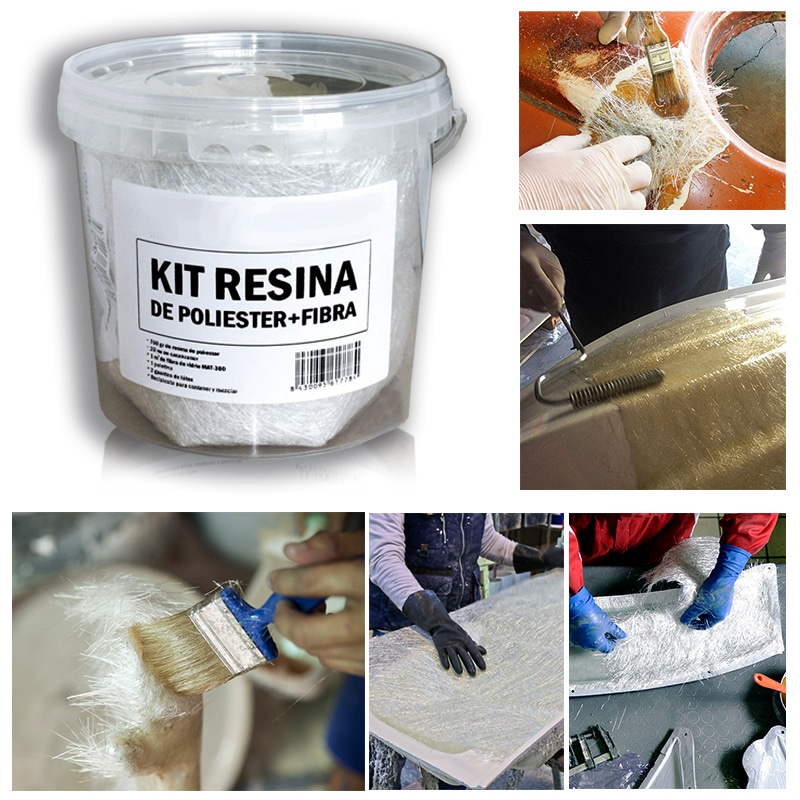
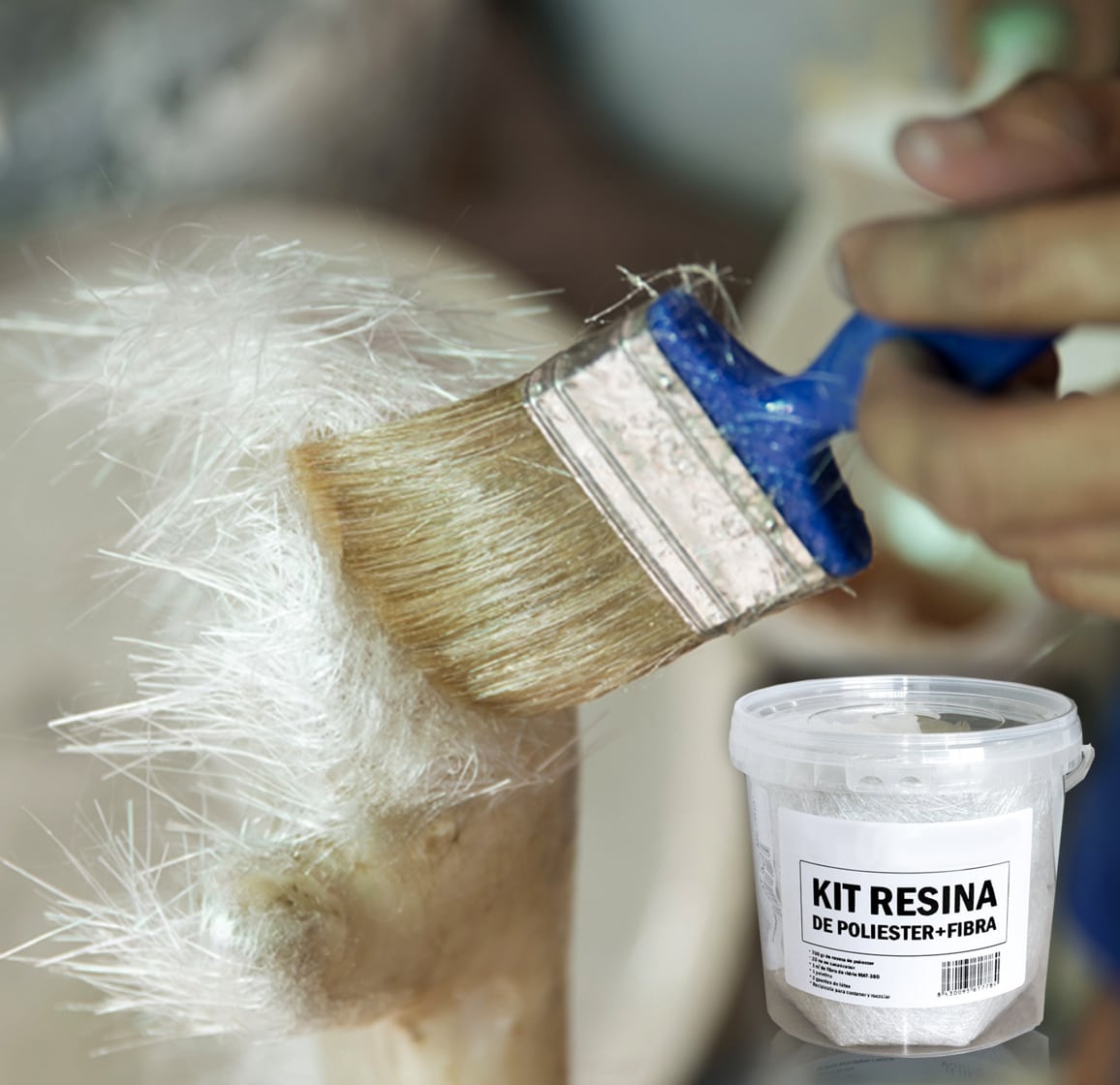
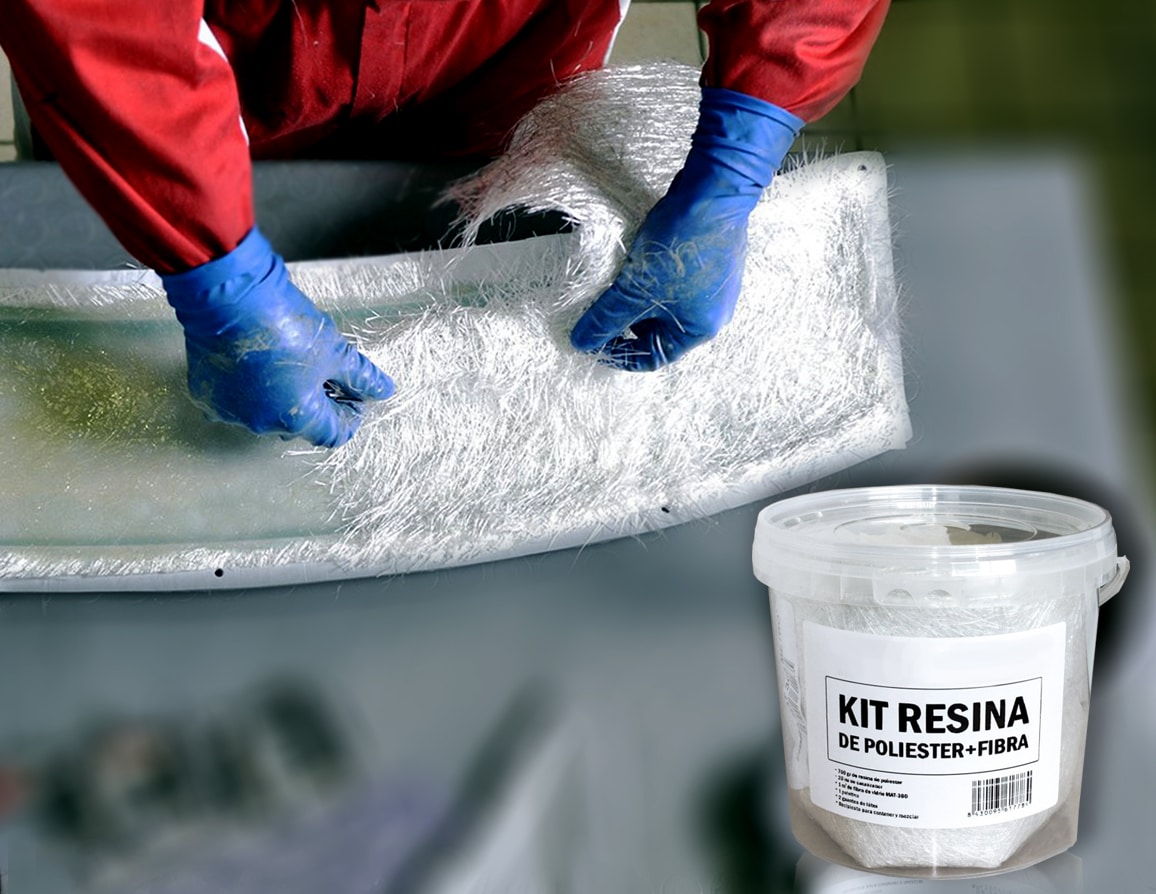
For deeper voids or cracks that need filling before a final waterproof layer, a fibreglass-reinforced putty like CROP 2K Fiberglass Putty can be a useful preparatory filler on suitable rigid surfaces. Clean and dry the area first, and check compatibility with the substrate.
When this matters for roof crack waterproofing
Vertical cracks often occur where a flat roof meets a wall, around roof lights, or along pitched sections. In these positions, a runny repair can leave a thin spot at the bottom of the crack and an uneven top edge. A non-sag mastic lets you apply a controlled bead or fill across the full length.
After the mastic has cured, assess whether a compatible waterproof coating or reinforcement is needed over the repaired area. Do not apply a liquid waterproofing layer over an uncured or unstable fill.
Related products
Related guides
For sloped and vertical roof cracks, the right starting point is a repair material that stays where it is put. Choosing a thixotropic epoxy mastic reduces the guesswork and helps create a dependable base for further waterproofing work. You can find these products alongside wider guidance in the roof crack waterproofing range.