 Free shipping on orders over £29,85
 Shipping Tracking!



 Google
 Facebook
Can polyurethane coatings withstand driveable areas?
← Back to Multi-material waterproofing agent
Quick answer
Polyurethane coatings can be used on driveable surfaces when they are formulated for vehicle traffic and applied over a correctly prepared substrate. A two-component aliphatic polyurethane creates a hard-wearing film that resists abrasion, weathering, UV exposure and yellowing. It is suitable for concrete, tiles, plastic, fibreglass, ceramic and properly prepared steel. The finish can be gloss or satin, with an optional anti-slip texture for safer vehicle and foot traffic.
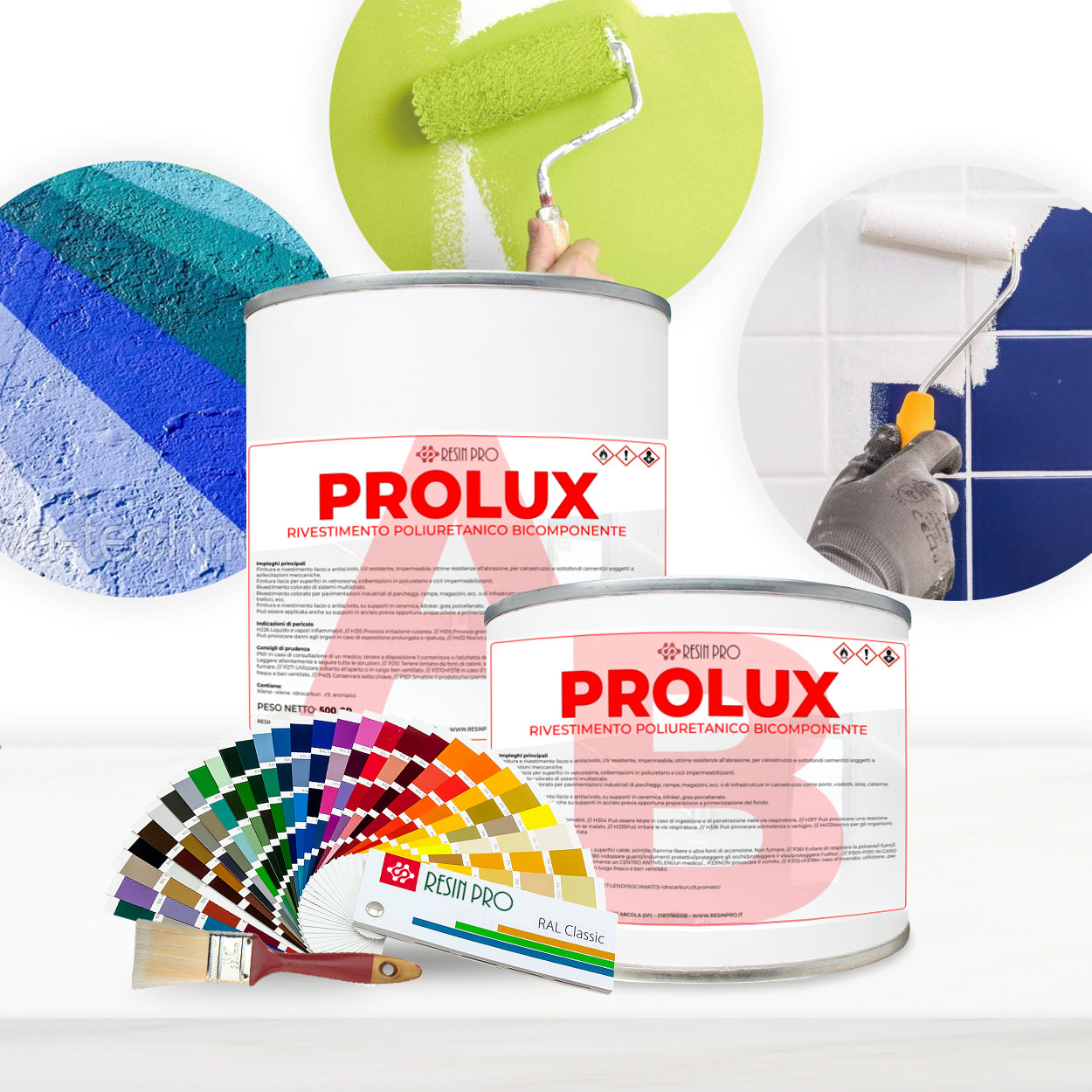
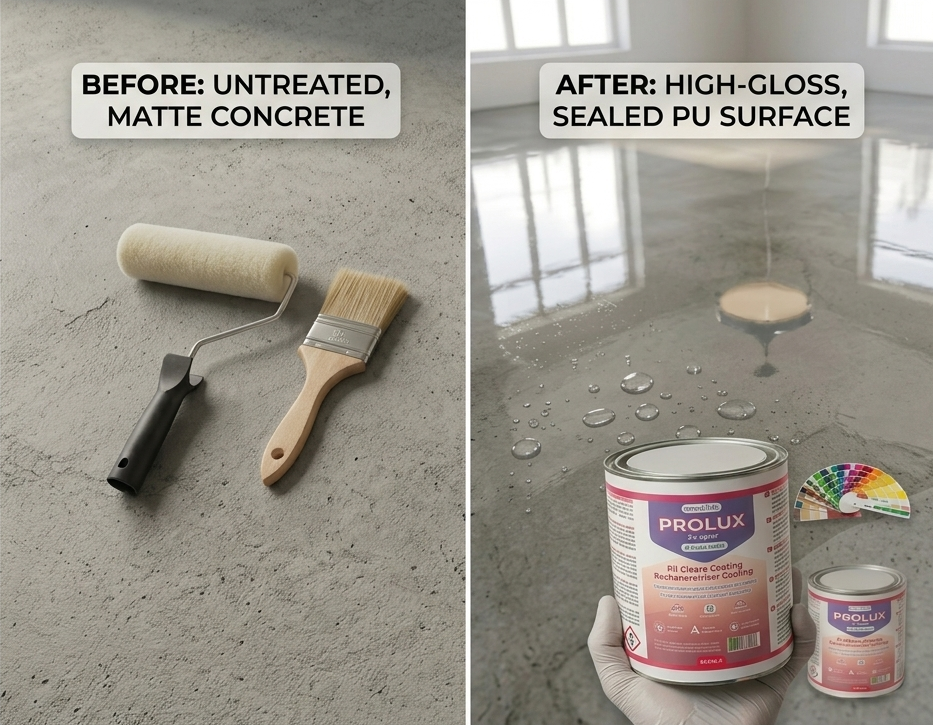
Driveable areas put much more stress on a coating than ordinary foot traffic, so the correct formulation and careful preparation make the difference between a finish that lasts and one that fails early. If you are finishing a garage floor, an external parking area, or a mixed-use access route, a polyurethane system designed for those conditions is worth considering.
What makes a polyurethane coating suitable for driveable use
Not every polyurethane is intended for vehicle loads. The versions that work in driveable areas tend to be two-component aliphatic systems, which offer better weathering and yellowing resistance than many single-component alternatives. The cured layer needs enough toughness to handle scuffing, turning tyres, and repeated weight without cracking or peeling away from the substrate.
- Abrasion and weathering resistance helps the surface hold up under regular vehicle movement.
- UV resistance supports colour stability in areas that receive direct sunlight.
- Gloss or satin finishes can be combined with an anti-slip additive where traction is a concern.
- Multi-material adhesion allows the same coating to be used on concrete, tiles, plastic, fibreglass, ceramic and prepared steel.
For a product designed around these needs, the Prolux PU coating for tiles, concrete, plastic and metal is a practical reference point, because it is formulated specifically for floors and external areas exposed to foot and vehicle traffic.
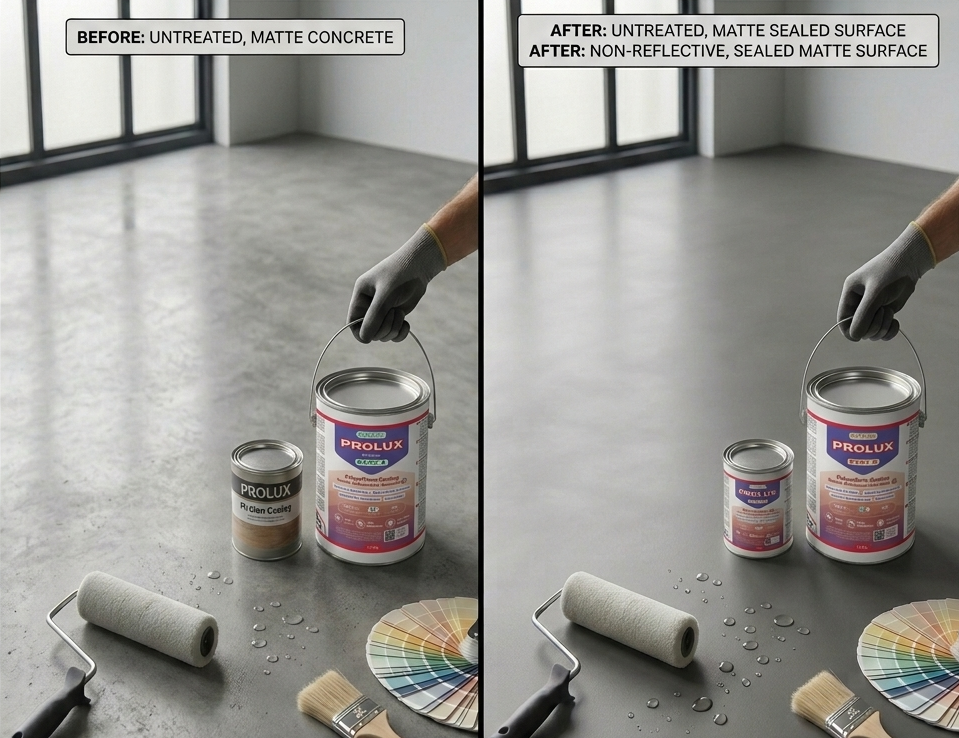
Preparing the surface properly
The strongest coating will underperform if the surface is weak, dirty, or damp. For concrete and tile areas, the substrate should be clean, sound, and free of loose material, oils, or previous coatings that could interfere with adhesion. Steel surfaces need their own preparation so the polyurethane can bond rather than sit on top of mill scale, rust, or contamination.
- Repair cracks, spalling, or hollow areas before coating.
- Remove dust, grease, curing compounds, and loose old paint.
- Make sure the material is dry and within the temperature range stated in the product instructions.
- Use the recommended primer or preparation method for the specific substrate.
With Prolux, the two pre-measured components are mixed in a 2:1 ratio, which keeps batch preparation straightforward for smaller jobs without needing complicated measuring equipment.
When this matters
This distinction matters most when a driveway, carport, forecourt, or warehouse floor will carry regular vehicle traffic rather than occasional use. Cars and vans create point loads and turning stress, and standing water can accelerate wear if the finish is not waterproof. A coating that resists abrasion, UV and weathering is more likely to keep its appearance and protective qualities in these conditions.
It also matters if you are coating more than one material in the same project. A single system that can be used on concrete and steel, for example, reduces the need to switch products between surfaces.
Related products
Related guides
Because driveable surfaces are often part of wider projects involving tiles, concrete, metal, or plastic, the right polyurethane links closely to a multi-material waterproofing agent approach. Choosing a coating that works across those substrates can simplify preparation, reduce product switches, and help maintain a consistent finish throughout the space.