 Free shipping on orders over £29,85
 Shipping Tracking!



 Google
 Facebook
Can Resin and Putty Repairs Be Painted After Curing?
← Back to Waterproofing for microcracks in motorhomes
Quick answer
Cured resin and fibreglass putty repairs are generally suitable for painting once the material has fully hardened. After complete curing, most polyester and epoxy products can be sanded to create a keyed surface, primed, and overcoated with a compatible paint. This produces a smooth, seamless finish that hides the repair and helps protect the waterproof layer beneath. Full curing time varies between products, so the product instructions should be checked before sanding or applying primer.
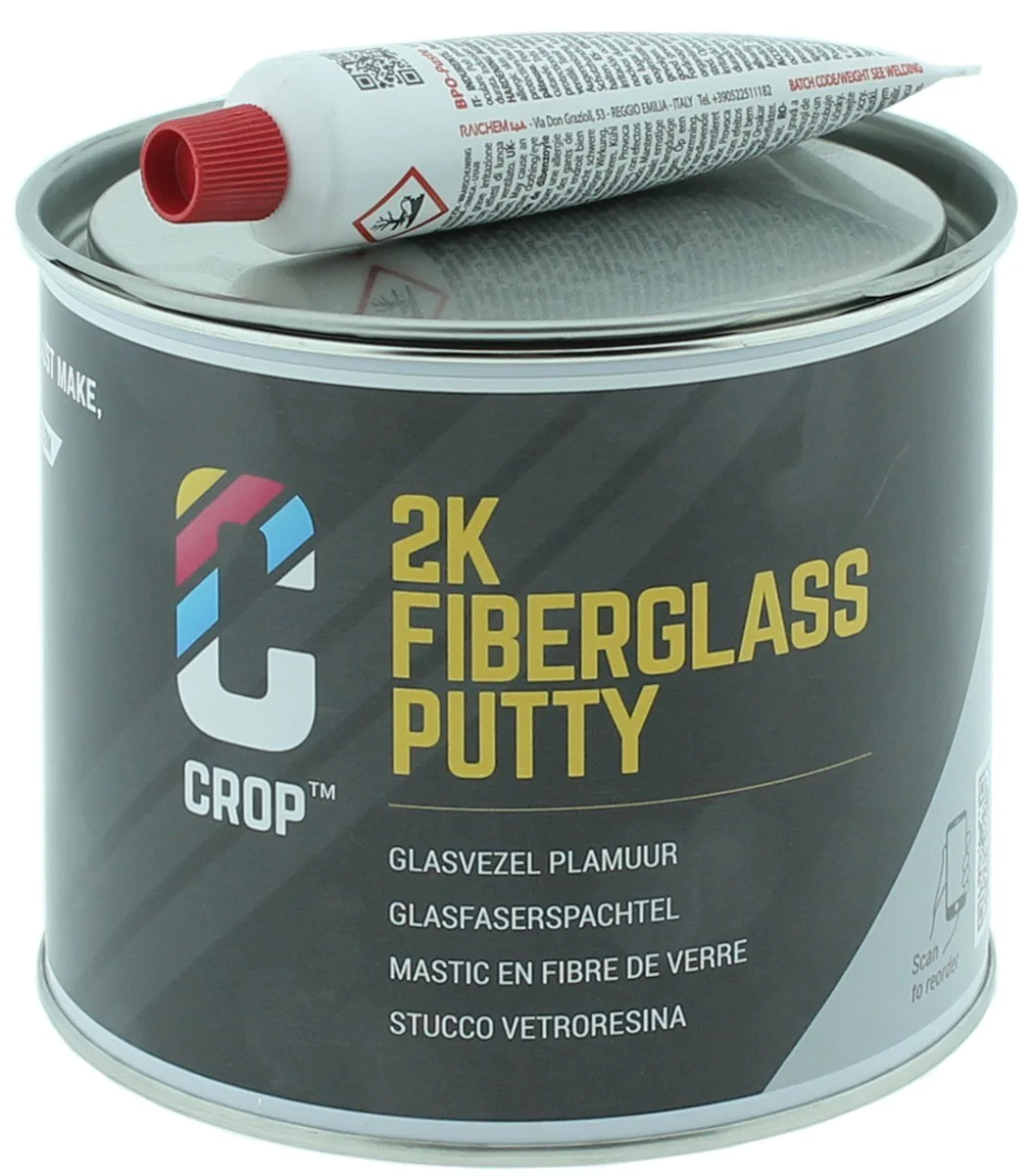
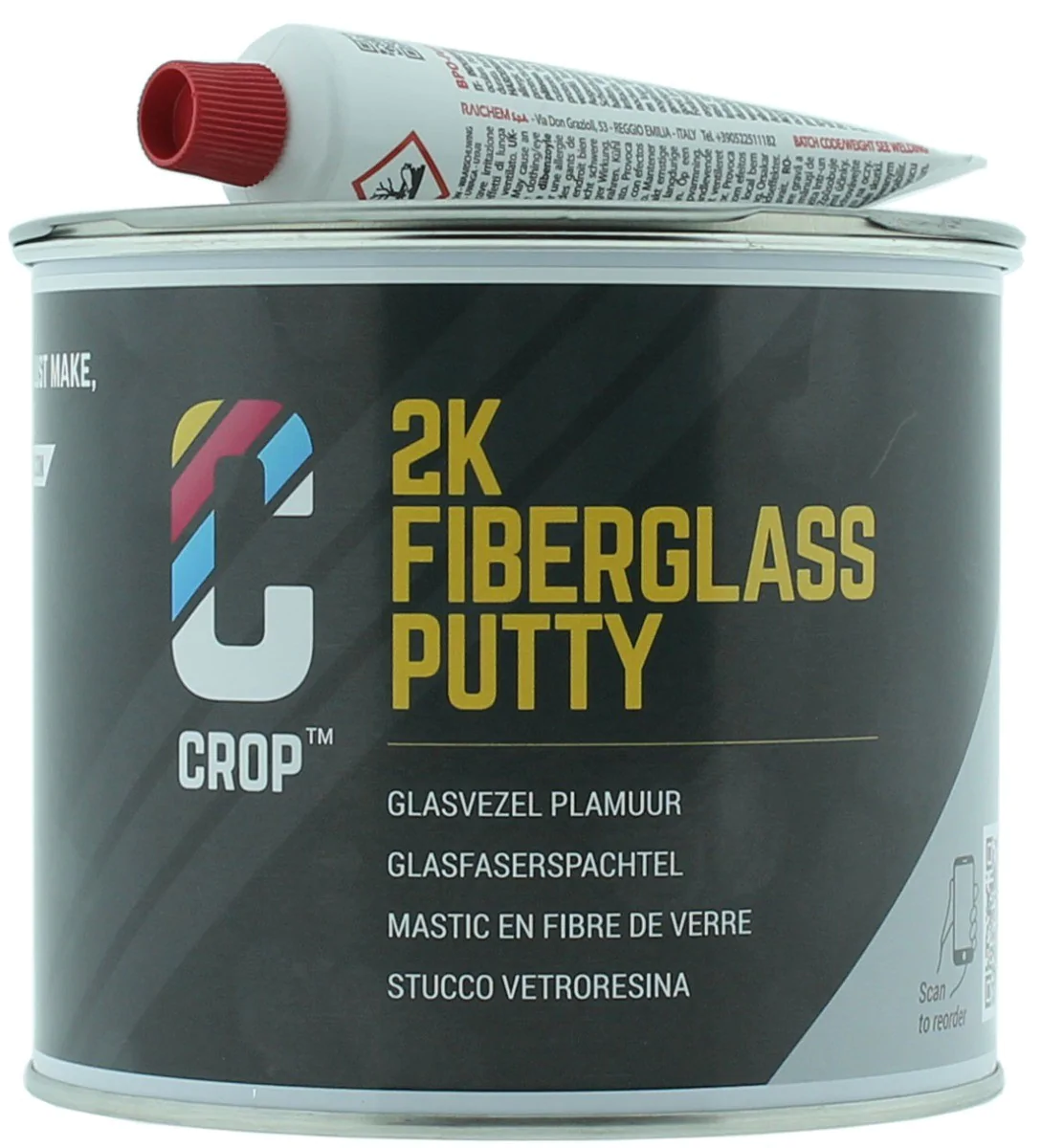
On a motorhome, being able to paint over a cured repair makes the difference between an obvious patch and a clean weatherproof finish. Rather than rushing to coat the surface, give the material enough time to harden, then prepare it in the same way you would any rigid fill or laminate.
Which repair materials are paintable?
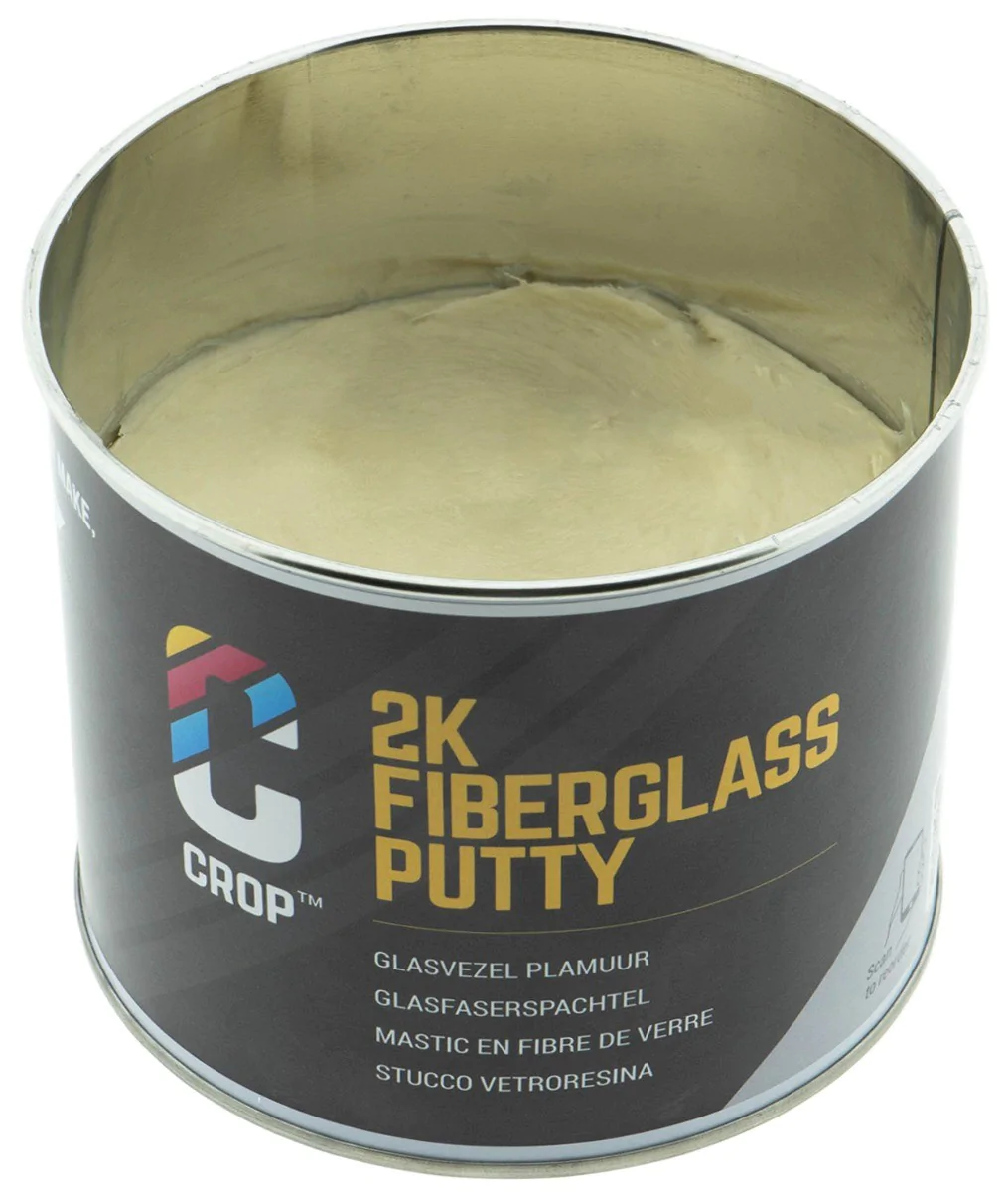
Polyester putties and most two-component repair resins can be sanded and overcoated after they have fully cured. CROP 2K Fiberglass Putty – 750 ml + Hardener, for example, is formulated to sand to a smooth finish that accepts primer and paint. The same principle applies to many resin-based waterproofing repairs used on motorhome panels, although flexible sealants and some clear coatings are not intended to hold paint.
Always confirm whether the product is described as sandable and paintable, and follow the stated curing time before starting surface preparation.

Preparing a cured repair for paint
The general sequence is simple but should not be rushed:
- Wait for the product to cure completely; cool or damp conditions can extend cure time.
- Sand the surface lightly and evenly to remove any gloss and create a mechanical key.
- Remove sanding dust before applying an appropriate primer.
- Apply topcoat in thin, even layers, allowing each coat to flash off as directed.
Using a primer suited to the substrate can improve adhesion and help prevent the repair from showing through the topcoat.
When this matters for motorhome microcracks
For hairline cracks around roof seams, skylights, body joints or locker surrounds, a repair that can be painted is much easier to hide. The paint film also adds a secondary barrier against UV and weather exposure, but only if the cured surface has been properly keyed and primed.
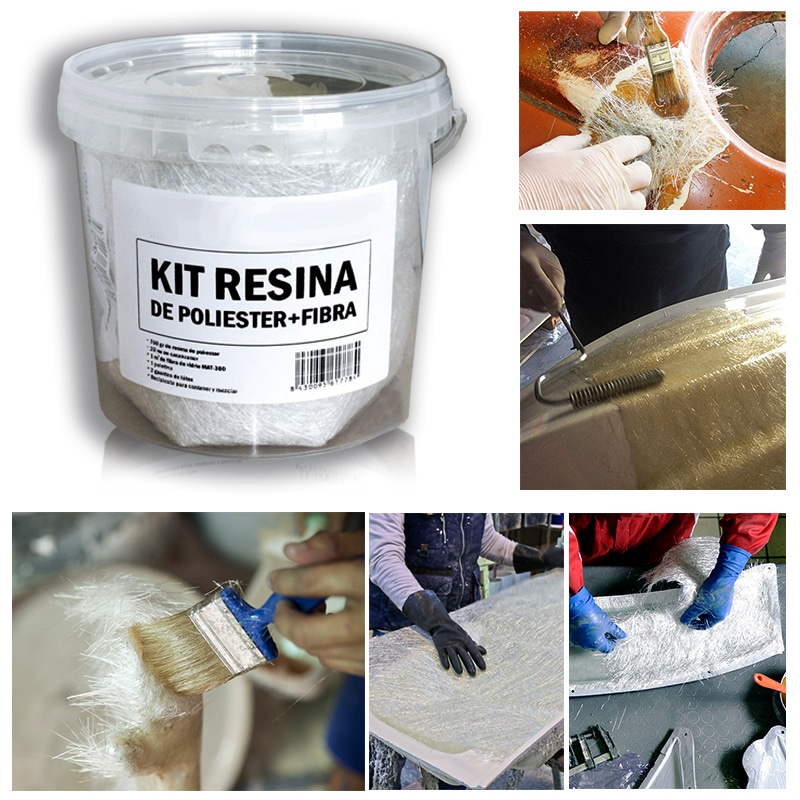
If the area is likely to flex or remain wet, choose a reinforced filler or resin designed for that repair, then let it reach full hardness before painting.
Related products
Related guides
Painting after curing is a practical way to turn a waterproof microcrack repair into a nearly invisible finish. With the right product, full cure time, and careful sanding and priming, the finished area can stay weather-resistant and visually consistent with the surrounding motorhome surface.