 Free shipping on orders over £29,85
 Shipping Tracking!



 Google
 Facebook
Can Resin Coatings Replace Bituminous Paint?
← Back to Bituminous Paint for Motorhomes
Quick answer
Resin coatings are a practical alternative to traditional bituminous paint for many motorhome surfaces, offering improved UV stability, durability and waterproofing. Polyurethane and epoxy-based systems can be applied to fibreglass, metal, plastic and properly prepared surfaces found on motorhome bodies, roofs and trim. The key difference is a longer-lasting, non-yellowing finish that withstands weathering and abrasion better than many bituminous products. However, resin coatings are not a universal drop-in replacement; the existing surface condition and the specific area being treated still determine which product is most suitable.
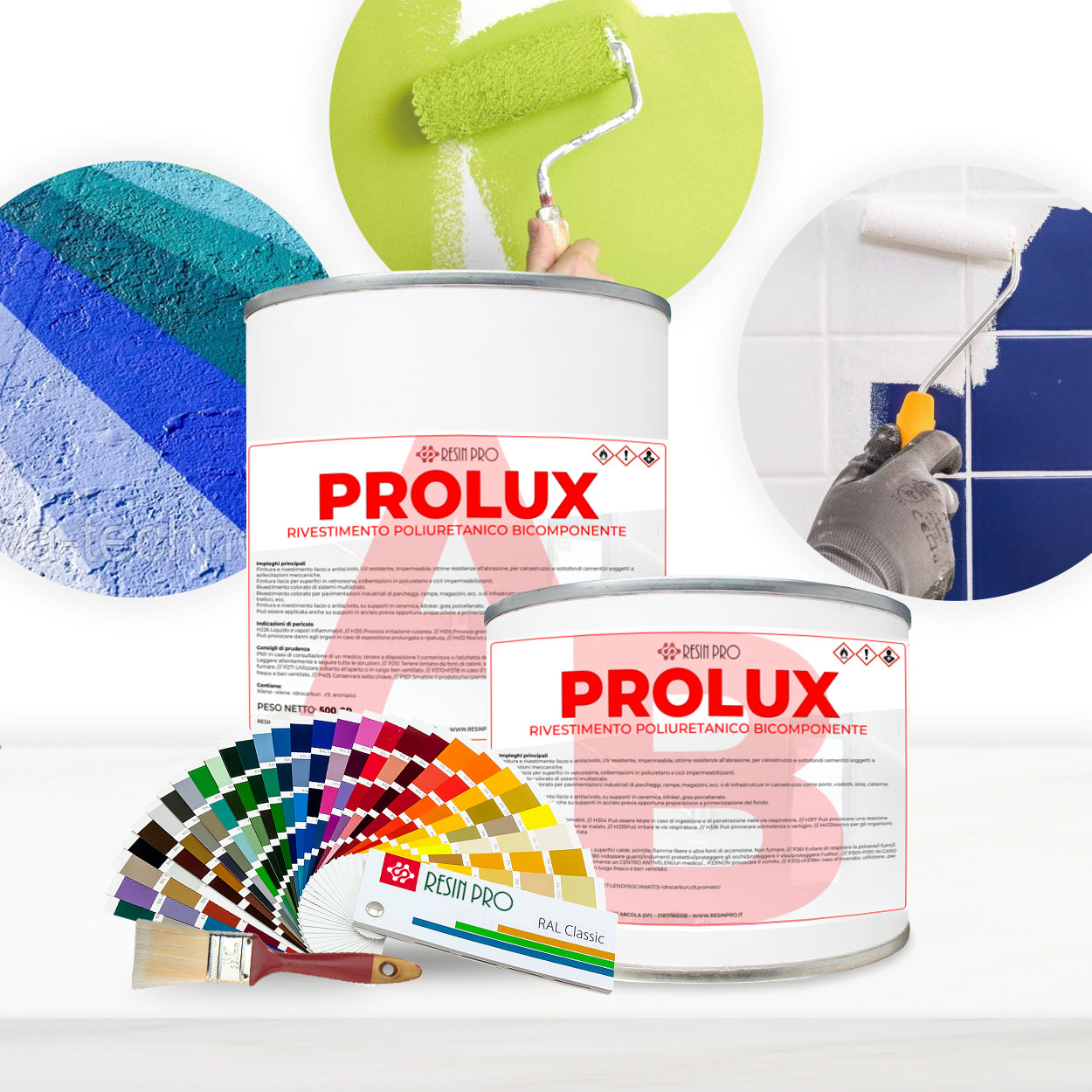
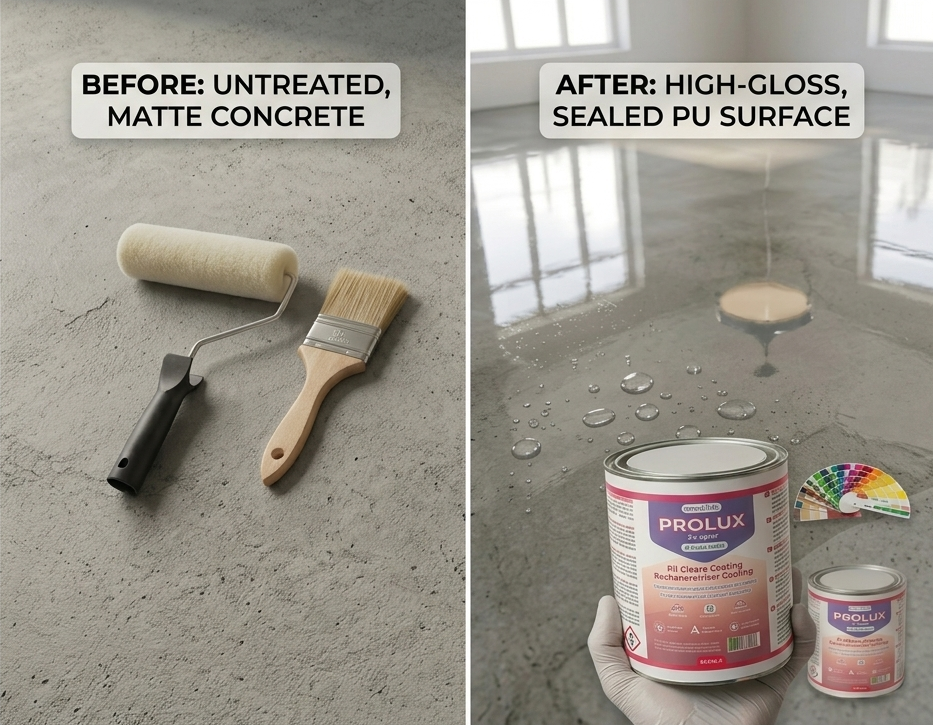
If you are weighing up a refresh for your motorhome, it helps to know where a resin coating fits and what it does differently from a bituminous paint. The following sections cover the practical differences and the situations where switching often makes sense.
How resin coatings compare to bituminous paint
Bituminous paint is traditionally used as a waterproof barrier on metal chassis sections, wheel arches and undersides. It seals well against moisture, but resin coatings are often chosen where UV stability and a tougher, easier-to-clean finish are priorities. Two-component polyurethane systems, in particular, are generally harder and more resistant to yellowing once cured.
A practical example is a two-component polyurethane coating that can be applied to fibreglass, plastic, metal and prepared surfaces. Systems like this are designed to resist UV rays, abrasion and weathering, which makes them a practical upgrade for visible exterior panels and interior fittings.
Where resin coatings make sense on a motorhome
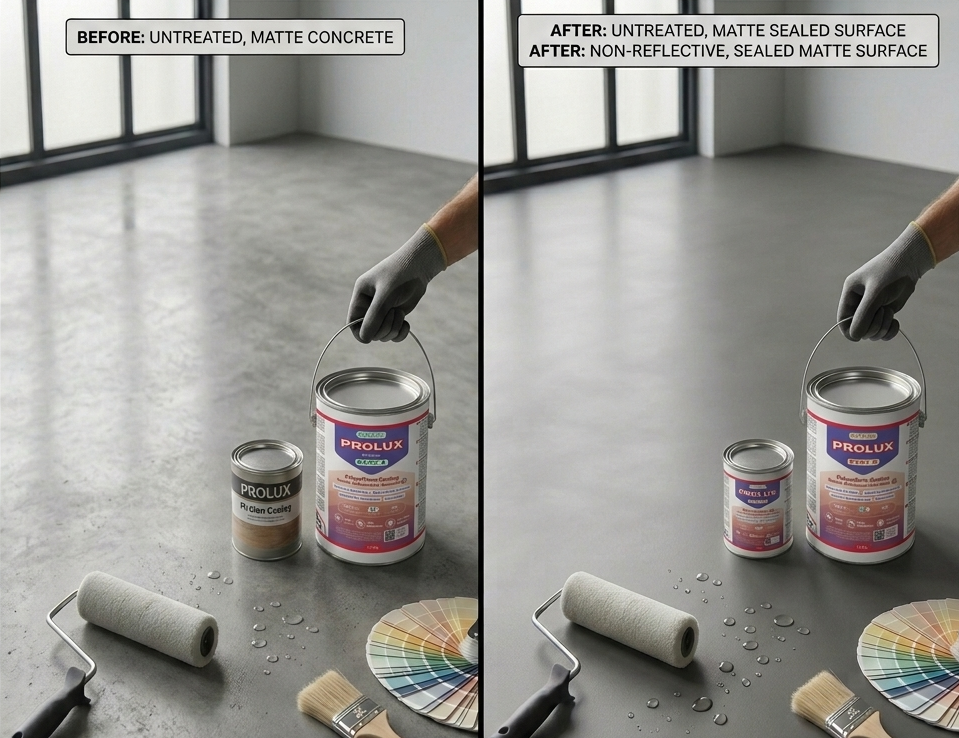
Resin coatings suit areas that are regularly exposed to water, UV light or foot traffic. Common motorhome applications include roofs, side skirts, step wells, shower trays and locker surrounds. Interior surfaces can also benefit from a tough, waterproof finish that is easier to wipe down than bituminous paint.
- Exterior roofs and trims that face direct sunlight
- Bathroom and kitchen areas subject to splashing and humidity
- Step wells and entry zones where abrasion is a concern
When this matters
Choosing between bituminous paint and a resin coating matters most when the motorhome will be parked outdoors for long periods or used in all seasons. UV exposure and repeated temperature changes are common on motorhomes, and a resin system with UV resistance is generally better suited to keeping its appearance and protective quality. For hidden chassis areas that rarely see light, a bituminous paint can still be a low-cost, practical option.

Related products
Related guides
Moving from bituminous paint to a resin coating is not about replacing every layer on the vehicle, but about matching the right product to the right surface. For exposed panels, roofs and interior areas where water and sunlight are constant, a polyurethane resin system can be the more durable long-term choice, while bituminous paint remains useful in specific hidden or heavily soiled zones. If you are upgrading a motorhome, assessing surface preparation and selecting a coating rated for UV and water resistance will give the best result.