 Free shipping on orders over £29,85
 Shipping Tracking!



 Google
 Facebook
UV and Abrasion Resistance in Salt-Resistant Waterproofing
← Back to Salt-resistant waterproofing agent
Quick answer
UV and abrasion resistance in salt-resistant waterproofing products comes from resin formulations engineered for exterior exposure. Polyurethane systems, including aliphatic coatings, help limit yellowing and weathering, while epoxy and methacrylic variants can add surface hardness and scuff resistance. The actual performance depends on the specific binder and substrate. On concrete driveways, tiled floors and decorative pebble surfaces, these properties help retain a clearer, cleaner appearance over time, even where moisture and de-icing salts are present.
If you are sealing an outdoor or high-traffic surface, UV stability and abrasion resistance are worth checking before you buy. Not all waterproofing products perform the same way, so matching the resin type to the surface and its expected exposure makes a practical difference.
How UV and yellowing resistance works
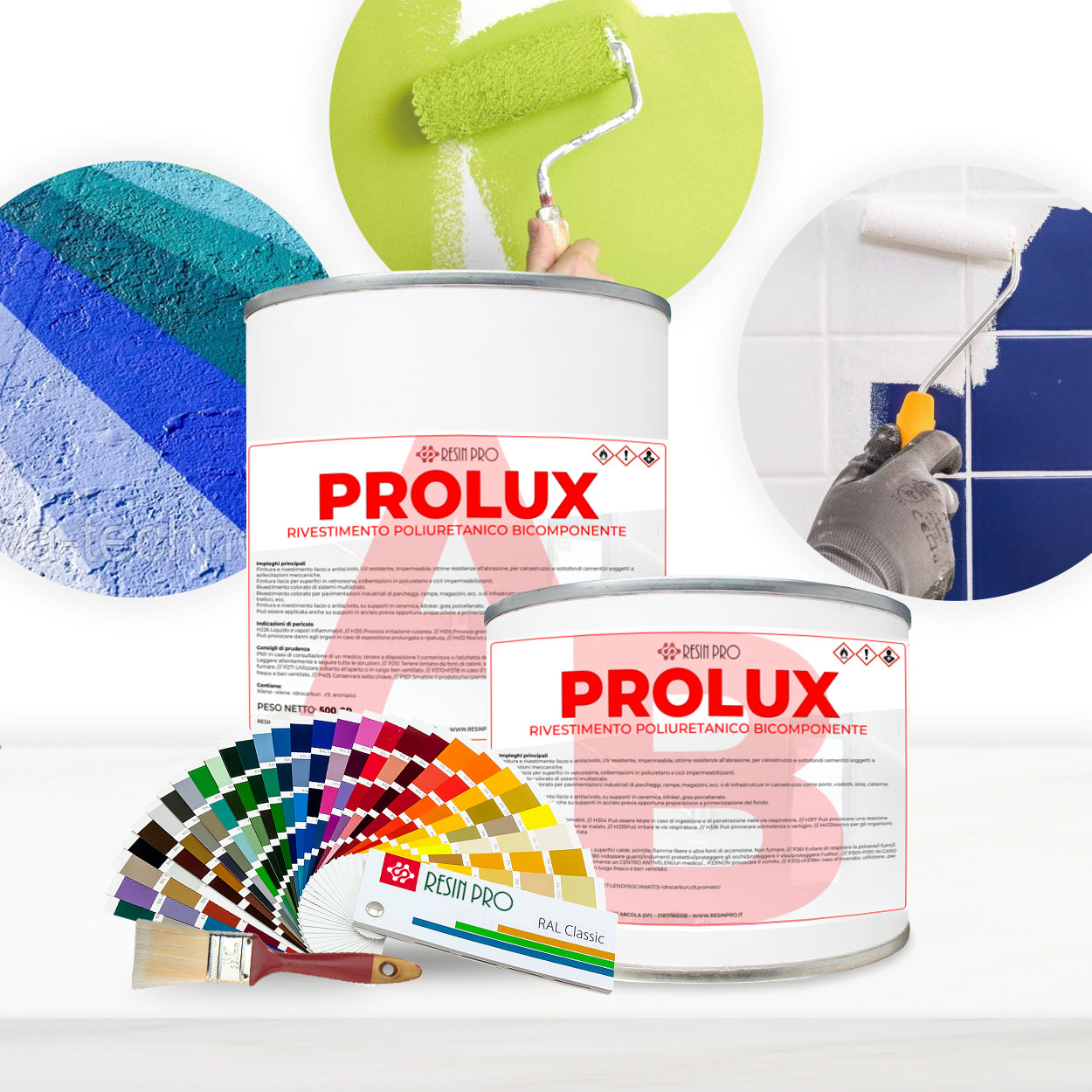
Outdoor surfaces are constantly exposed to sunlight, which can cause some resin films to discolour or break down over time. Aliphatic polyurethane coatings are commonly chosen for this reason, as they are formulated with UV-resistant components that help keep gloss and colour more stable. Products such as Prolux PU coating are described as resistant to UV, yellowing and weathering on concrete, tiles, plastic and prepared steel.
Epoxy-based systems can also be formulated with UV filters and cycloaliphatic hardeners to reduce yellowing, particularly for clear pebble and grit surfaces. The level of protection still depends on the specific product and the amount of direct sun the area receives.

Abrasion resistance for driveways and high-traffic areas
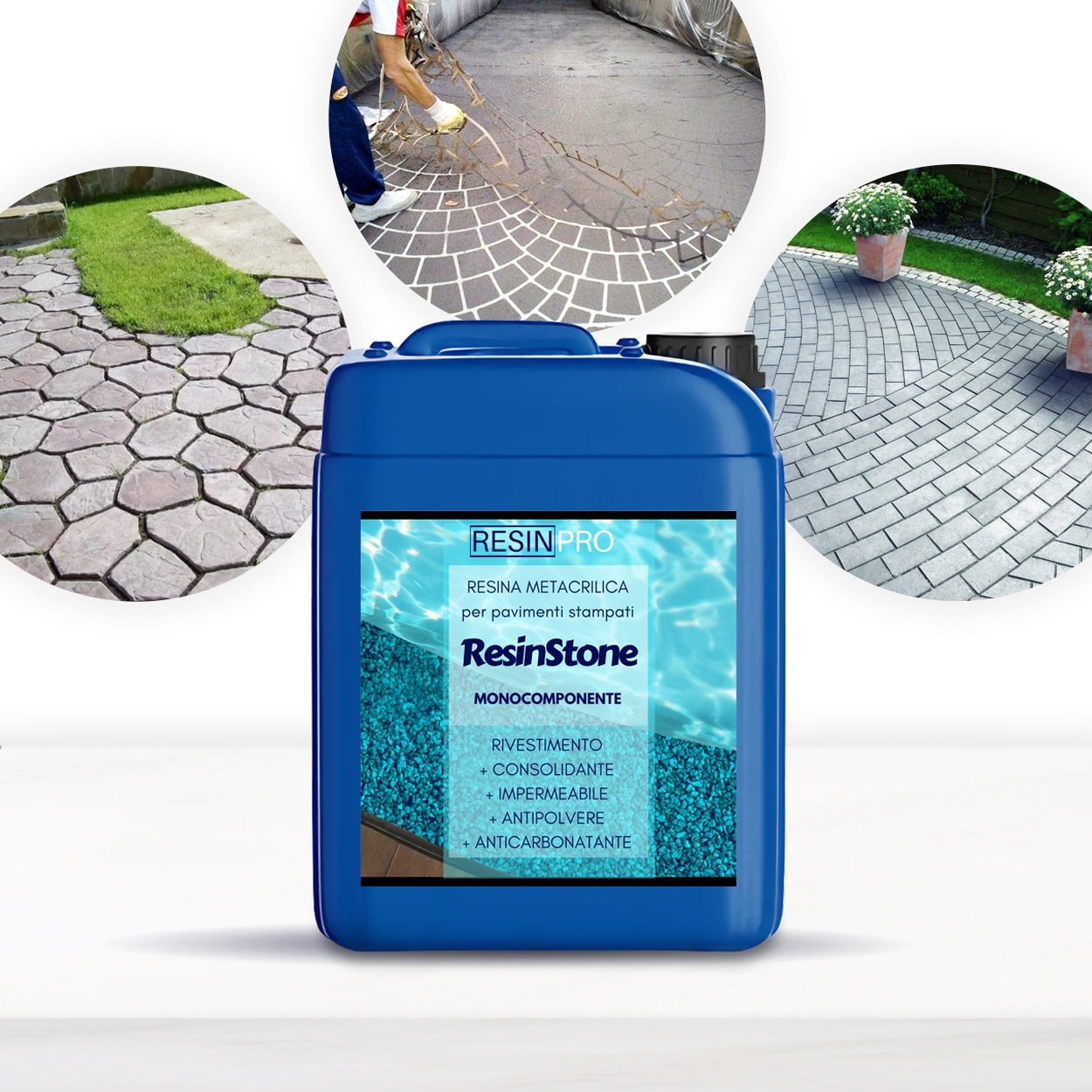
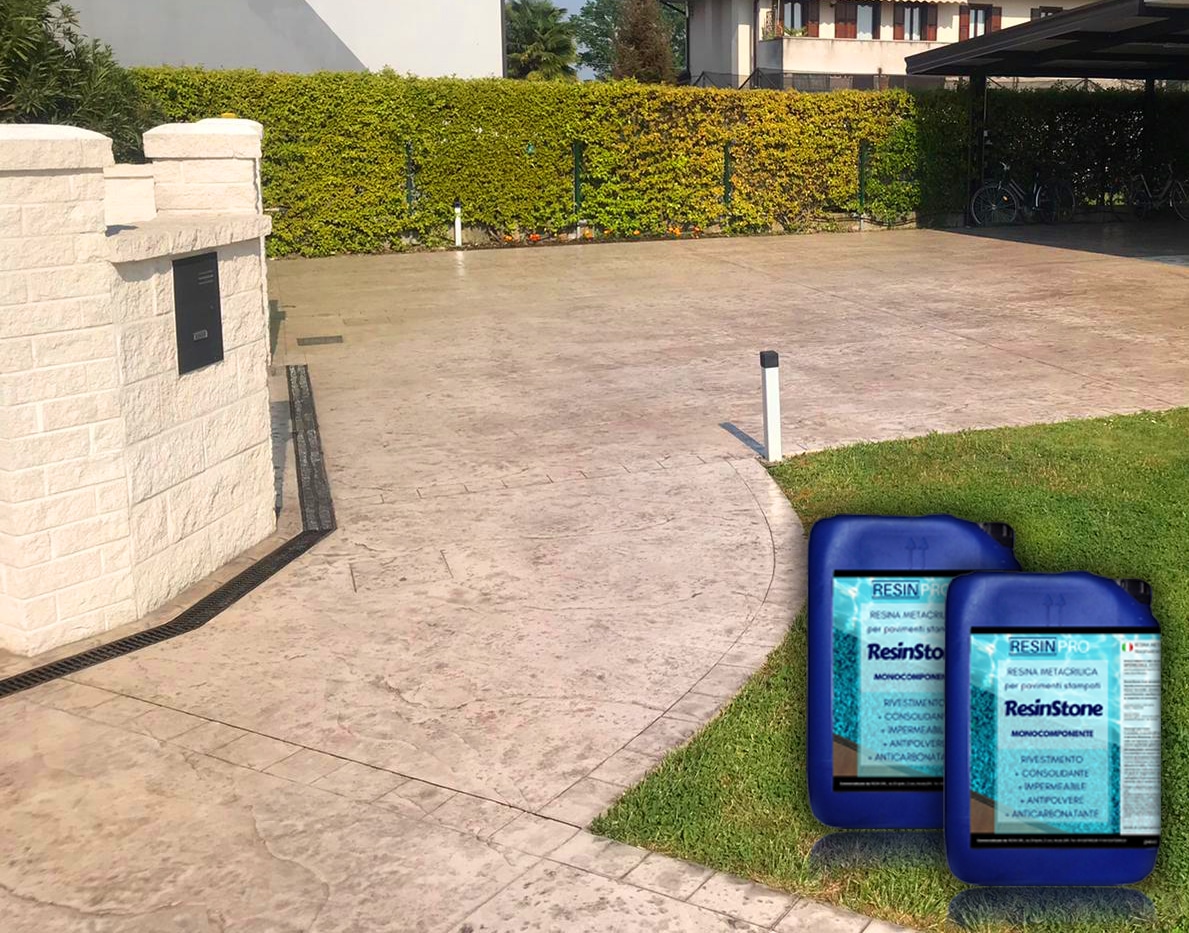
Abrasion resistance matters wherever tyres, shoes or cleaning equipment move across the sealed surface. Polyurethane floor coatings are often selected for driveable surfaces because they combine flexibility with toughness, helping to resist scuffs and wear. For concrete driveways and garages, a one-component methacrylic resin can also enhance mechanical resistance while sealing the surface.
- Foot traffic: hallways, workshops and commercial floors benefit from tougher polyurethane films.
- Vehicle traffic: driveways and parking areas need a coating rated for driveable use, not just a thin decorative seal.
- Loose or moving aggregates: encapsulated pebbles generally handle light abrasion better than a surface film alone.
When UV and abrasion resistance matter most
This combination is most relevant when a waterproofing treatment sits outdoors or in a damp, high-use zone. If the surface will be exposed to de-icing salts, standing moisture or strong sun, choose a system that addresses both chemical exposure and surface wear rather than a general-purpose sealer.
- Coastal or salted driveways: look for tough polyurethane or methacrylic systems with UV and weather resistance.
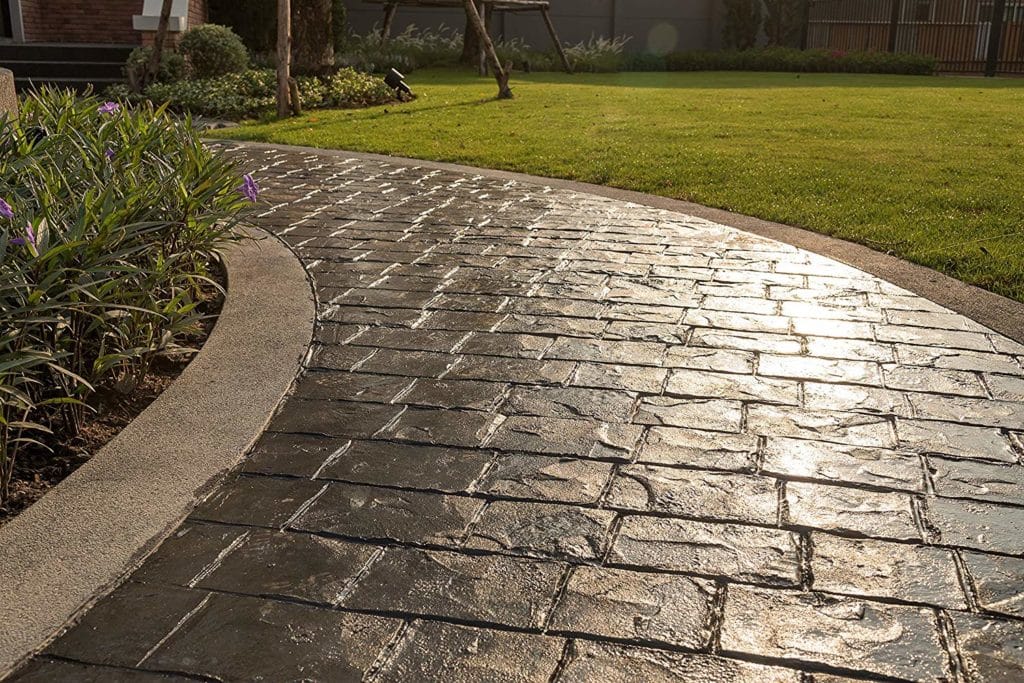
- Decorative pebble paths: a clear epoxy binder with UV filters can help keep the stones looking natural.
- Wooden features near ground level: prioritise deep waterproofing first, then add surface protection if the finish will be walked on.
Related products
Related guides
For surfaces exposed to salt, moisture and direct sun, UV and abrasion resistance help prevent early dulling, yellowing and wear. These qualities are part of the wider salt-resistant waterproofing picture, where the right resin should maintain both the appearance and the protective function of the surface over time.