 Free shipping on orders over £29,85
 Shipping Tracking!



 Google
 Facebook
Are elastomeric membranes suitable for sloping surfaces?
← Back to Elastomeric Roof Membrane
Quick answer
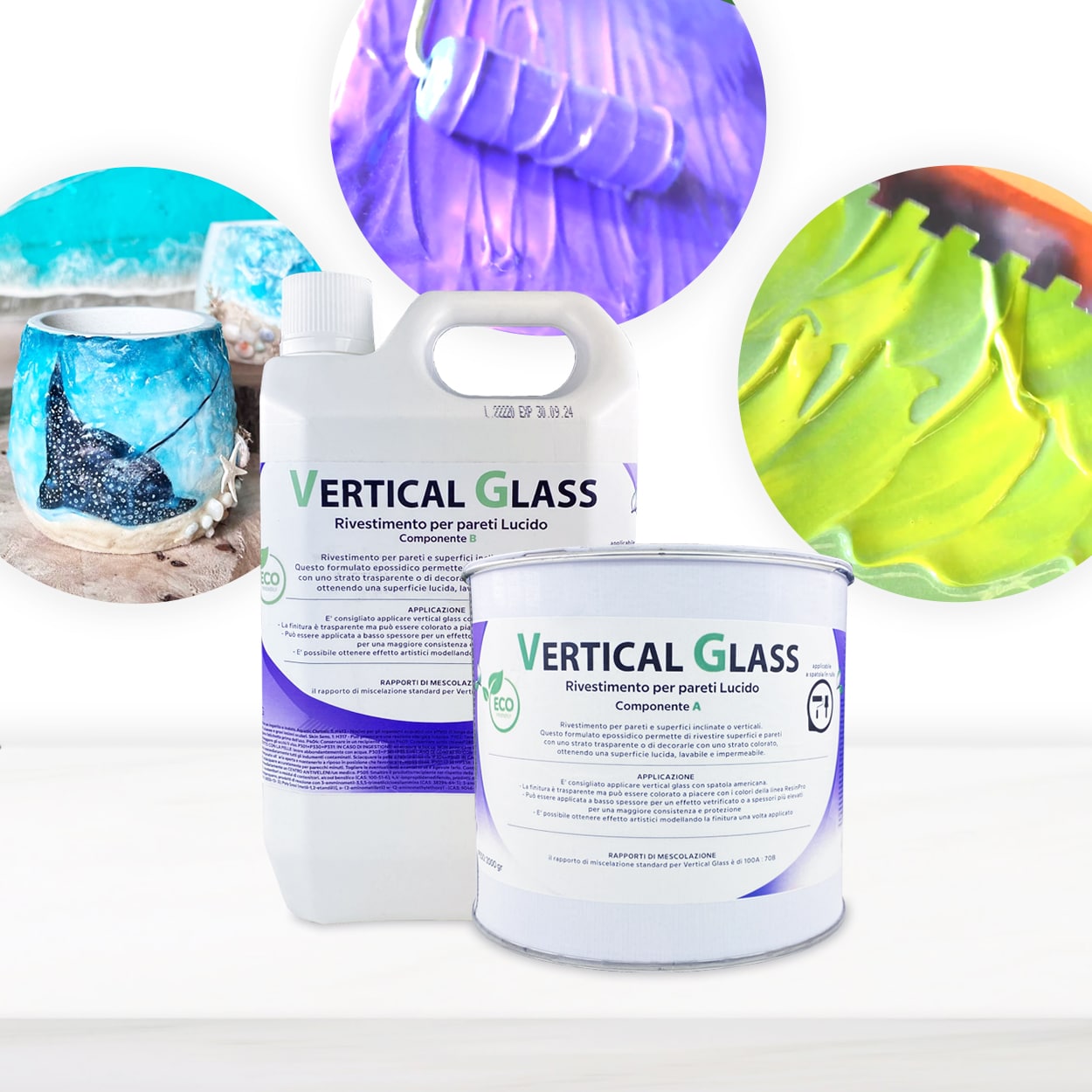
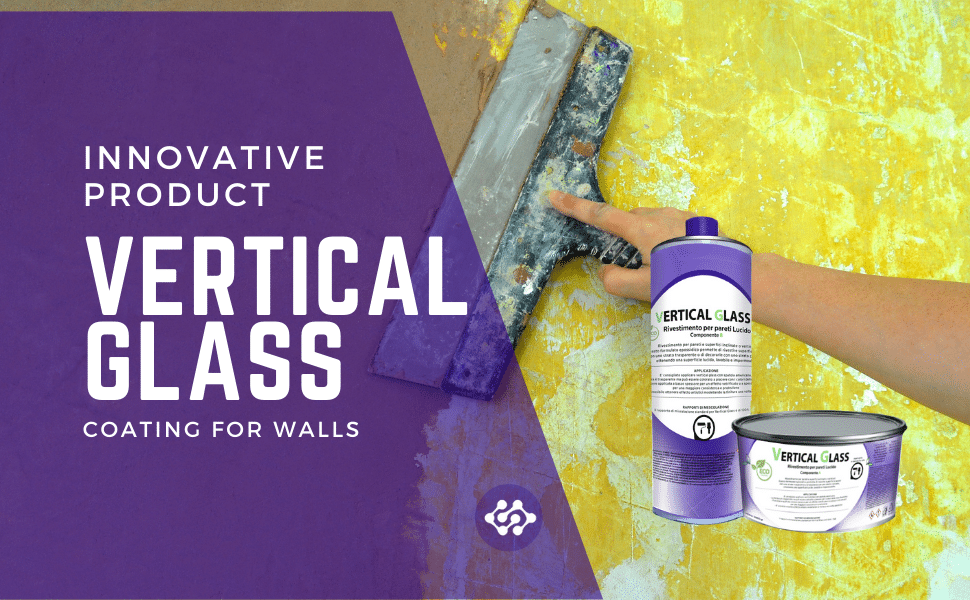
Elastomeric coatings can be used on sloping surfaces when the chosen product has a suitable non-sag or thicker formulation. A product such as Vertical Glass is designed to adhere well on inclined and vertical areas while retaining its protective and decorative qualities. The key difference lies in viscosity; thicker, less self-levelling coatings hold texture and position better than thin self-levelling resins, reducing the risk of runs, pooling, and uneven film thickness on gradients.
Sloping surfaces introduce one practical concern: gravity. A suitable elastomeric coating needs enough body to remain where it is applied and cure evenly. The sections below cover what to look for, common application points, and situations where this characteristic matters most.
What makes a membrane slope-suitable?
Not every elastomeric coating behaves the same on an incline. Products with a thicker, non-self-levelling consistency are generally easier to control because they stay closer to the applied thickness. Vertical Glass, for example, is formulated to adhere well on vertical and sloping surfaces without losing its protective or decorative finish.
Key characteristics to look for include:
- A non-sag or thicker body that resists running
- Good wet adhesion to the prepared substrate
- Controlled film build without pooling in recesses
Common applications on slopes
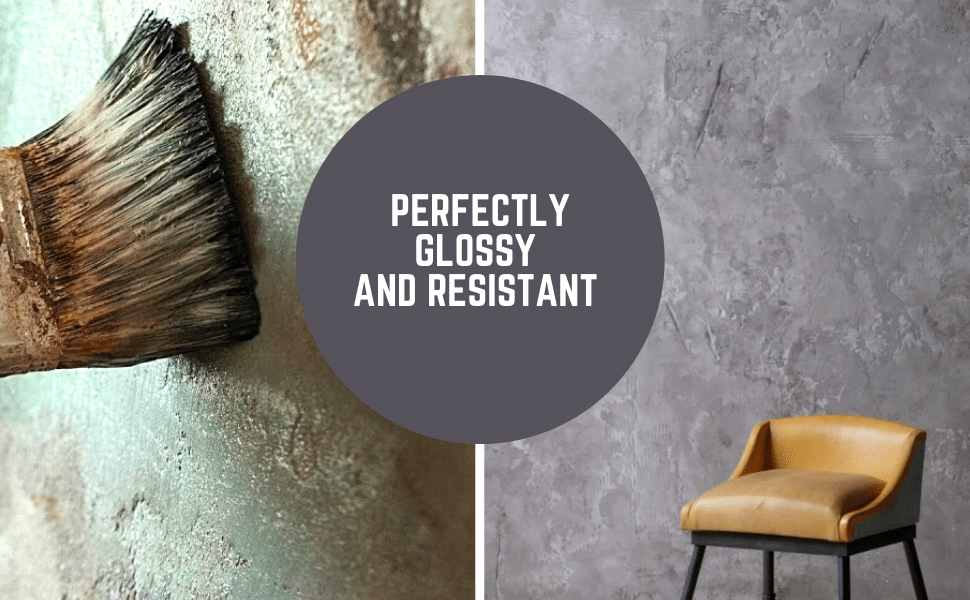
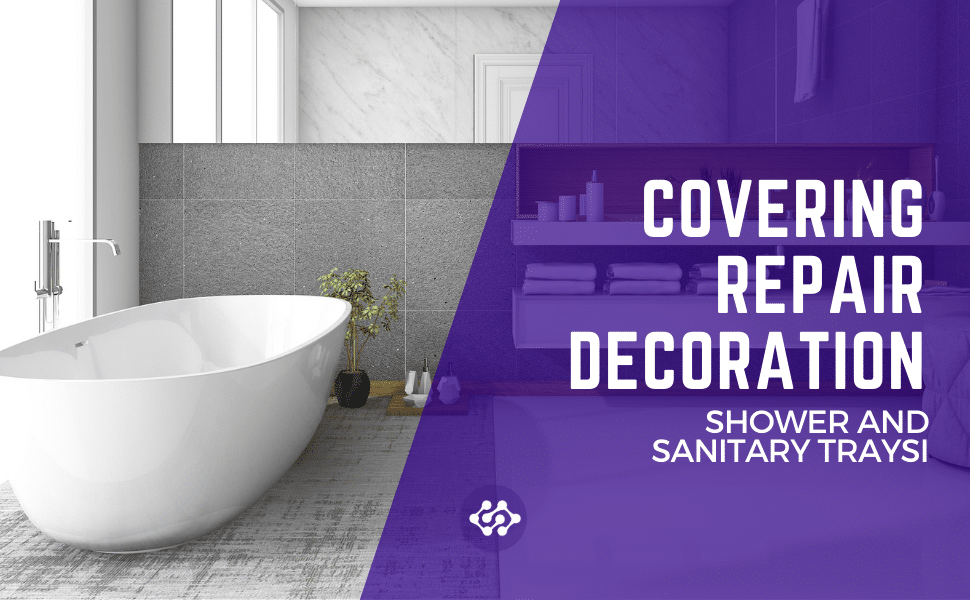
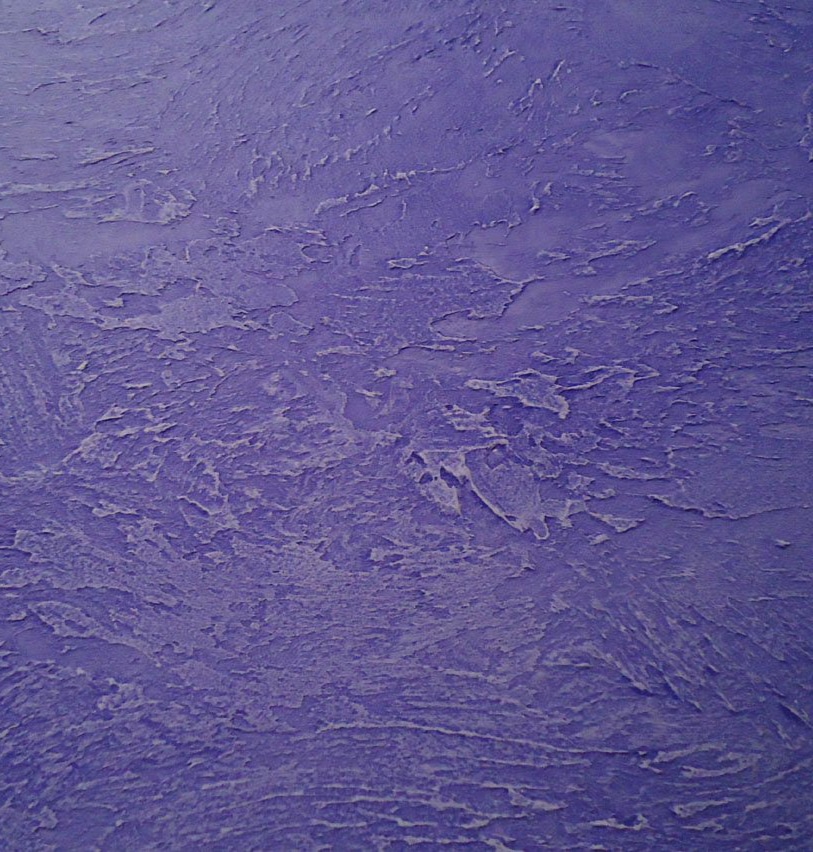
Sloping interior surfaces include feature walls, sloped ceilings, stairwell bulkheads, and decorative panels. In high-moisture settings such as kitchens and bathrooms, a washable coating that retains its position is valuable. Because the material does not self-level excessively, it can also be worked into textures and fine details that might otherwise disappear under a runnier resin. This makes it a practical option where the visual finish matters as much as the protective layer.
When slope suitability matters most
This characteristic is most important on visible gradients and vertical sections, where thinner or self-levelling products are more likely to slide or pool. It also matters when the decorative finish must stay consistent from top to bottom. In flat or very low-pitch applications, a standard self-smoothing membrane may still be acceptable, but on a slope the extra body helps avoid uneven coverage and rework.
Related products
Related guides
Slope suitability is one part of a wider elastomeric roof membrane specification. Matching product consistency to the angle, substrate and finish you require helps create a stable protective layer. For more on membrane selection and system considerations, see the full elastomeric roof membrane guide.