 Free shipping on orders over £29,85
 Shipping Tracking!



 Google
 Facebook
Can You Waterproof Outdoor Wood Exposed to Snow?
← Back to Waterproofing for Snow and Ice
Quick answer
Outdoor wood exposed to snow is waterproofed by applying a penetrating epoxy wood sealer to dry, sanded timber. EpoxyWood has an ultra-low viscosity that allows it to soak into the wood pores, reinforcing the structure and creating a waterproof surface. This makes it appropriate for external wood restoration in winter climates where repeated snow, ice and meltwater can contribute to swelling, splitting and rot. The finish carries a warm straw-yellow tint that enhances the natural grain.
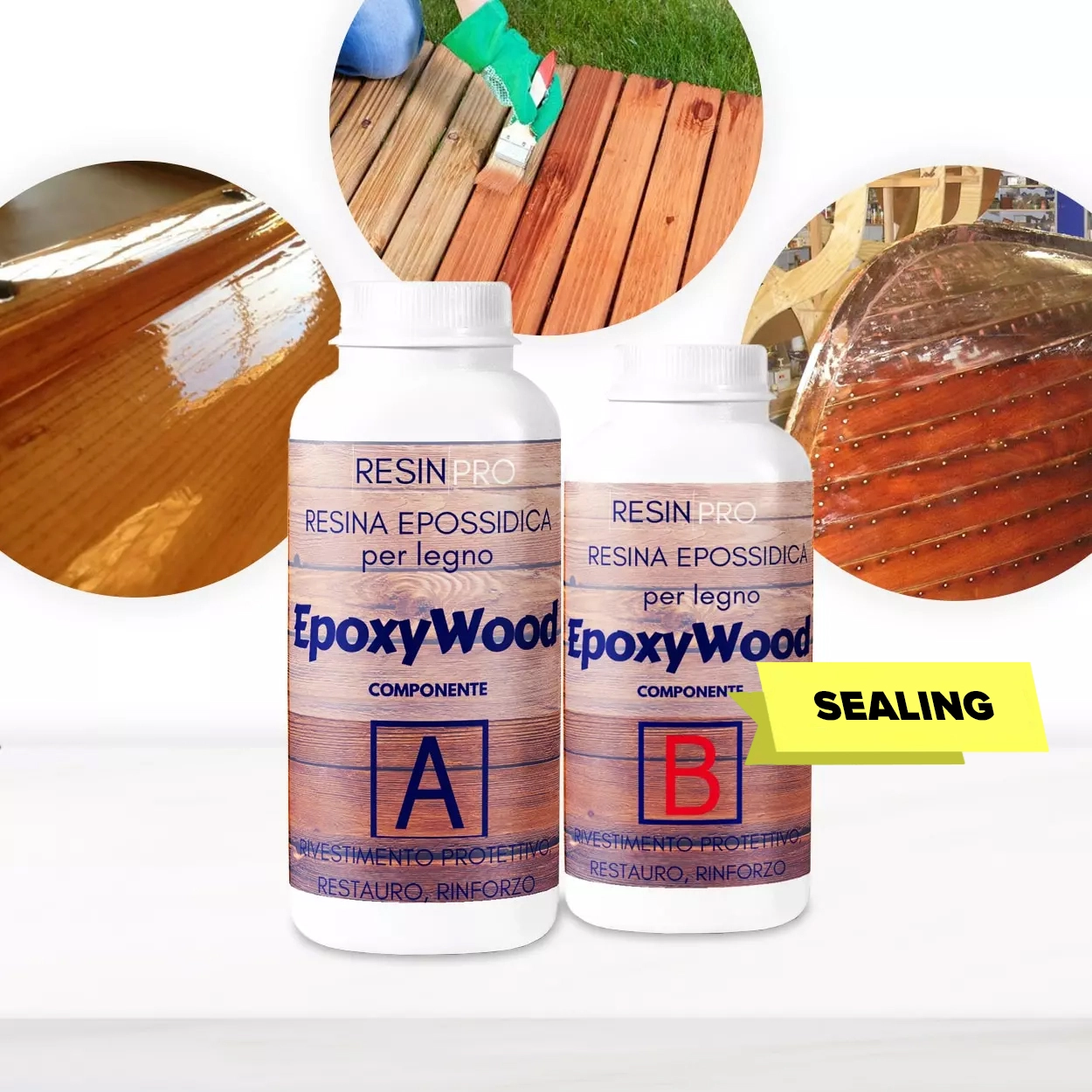
The most important step is starting with properly dried and sanded wood before applying EpoxyWood, because a penetrating sealer cannot bond well if moisture or old finish is trapped beneath the surface. Once cured, the treated timber becomes better suited to decks, garden furniture, planters and other pieces that face regular snow and ice.
Why a penetrating sealer works on exterior wood
A surface film coating can peel or crack when timber moves through wet and dry cycles, but a penetrating epoxy works differently. EpoxyWood soaks into the pores of dry wood rather than simply sitting on top, sealing the material from within.
- Deep absorption: Ultra-low viscosity helps the resin reach below the surface.
- Structural support: Treated wood gains reinforcement as the resin cures.
- Waterproof finish: Sealed pores resist moisture from snow and rain.
How to prepare timber before sealing
Preparation has a direct effect on how well the resin performs. EpoxyWood is formulated for dry wood, so the surface should be dry and sanded before application.
- Allow any damp timber to dry thoroughly before starting.
- Sand the surface to remove old coatings, dust and loose fibres.
- Clean away debris so the resin can penetrate evenly.
- Follow the product instructions and choose suitable working conditions.
When this matters for snow and ice
Snow and ice create a different moisture pattern than ordinary rain. Snow can sit against the wood for hours or days, and each thaw introduces more water into the surface. If temperatures then drop, that water can freeze and expand inside the wood.
Sealing dry timber with a penetrating resin helps reduce the amount of moisture the wood absorbs in the first place. This can limit the seasonal movement that leads to cracking, warping or soft spots over time.
Related products
Related guides
If you are preparing garden structures, furniture or external joinery for colder months, a penetrating epoxy sealer is a practical way to improve moisture resistance. For wider winter protection across paths, driveways and other outdoor surfaces, explore the waterproofing for snow and ice range.