 Free shipping on orders over £29,85
 Shipping Tracking!



 Google
 Facebook
Polyester, Polyurethane or Epoxy: Which Resin Should You Choose?
← Back to Cost of RV roof waterproofing
Quick answer
Polyester resin is widely used for fibreglass reinforcement and lower-cost structural repairs. Polyurethane resin forms tough, flexible, weather-resistant coatings; epoxy resin offers high adhesion, clarity and hardness. Each chemistry behaves differently depending on substrate, UV exposure, flexibility and build thickness. The choice typically depends on whether the job needs structural bonding, a waterproof coating, or a clear hard finish.

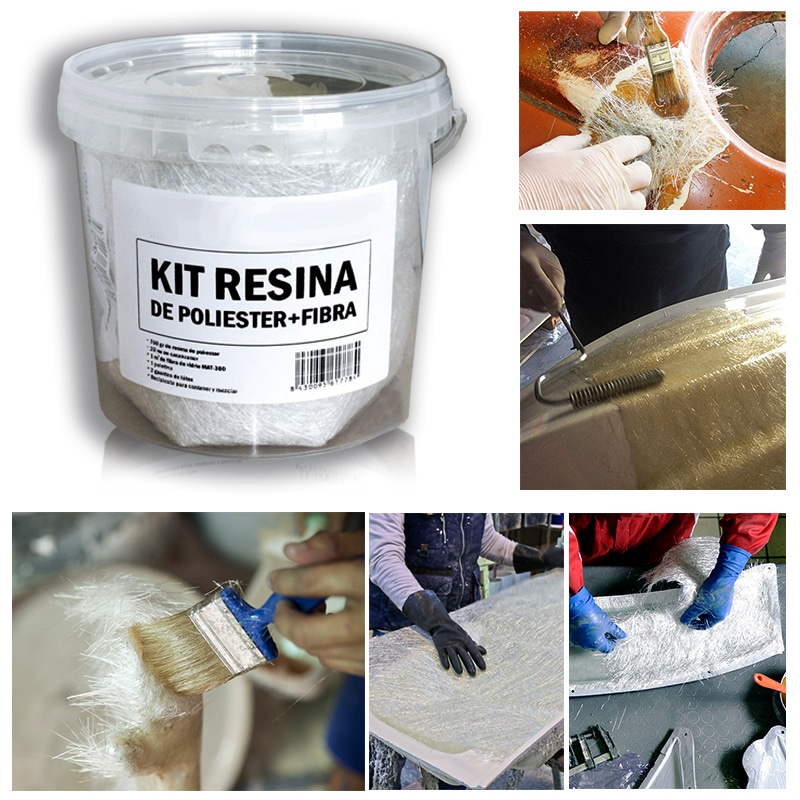
Because waterproofing jobs range from a cracked RV roof to a coated workshop floor, no single resin type is always best. The guide below sets out the key differences in practical terms.
Polyester, polyurethane and epoxy at a glance
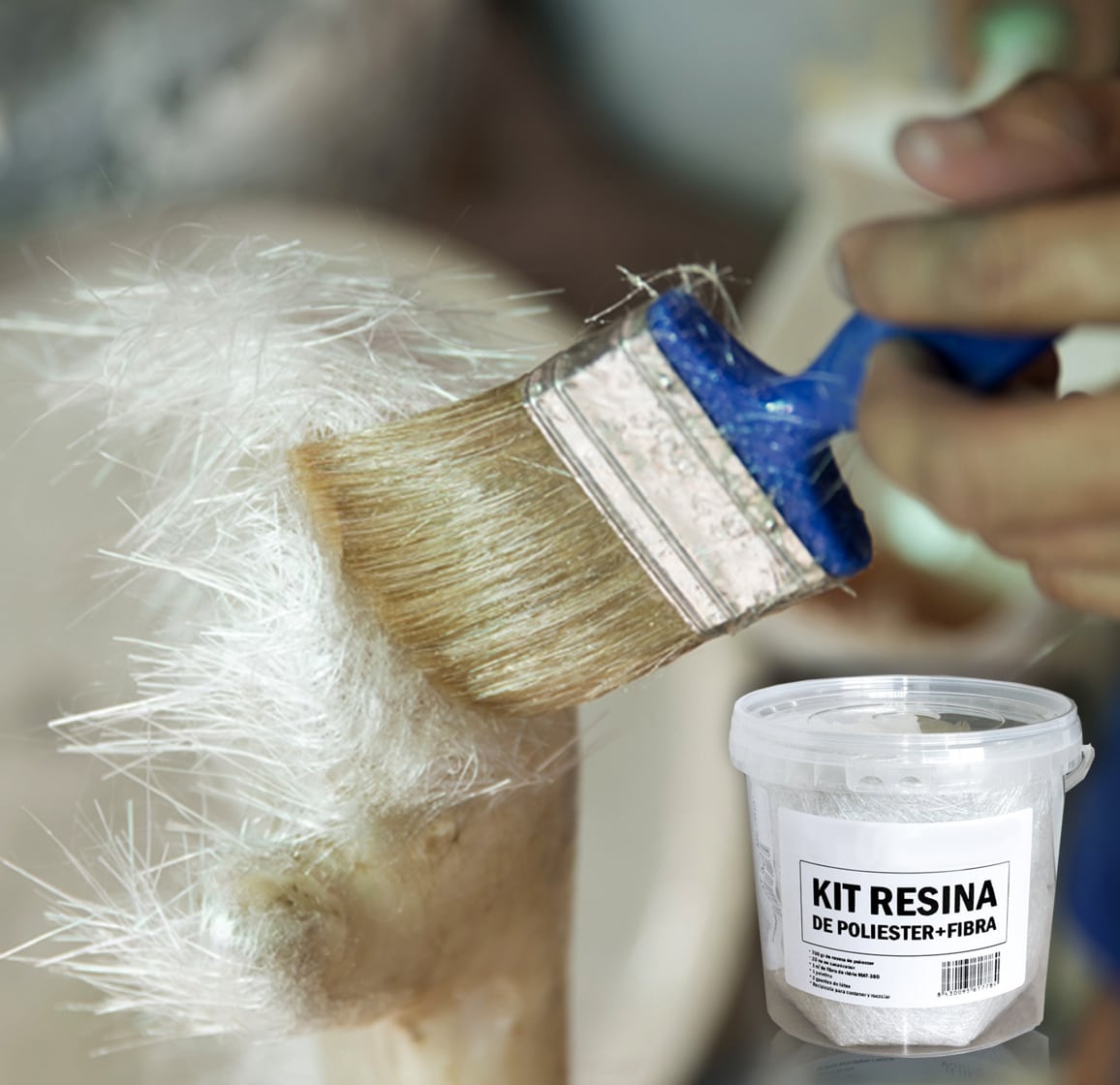
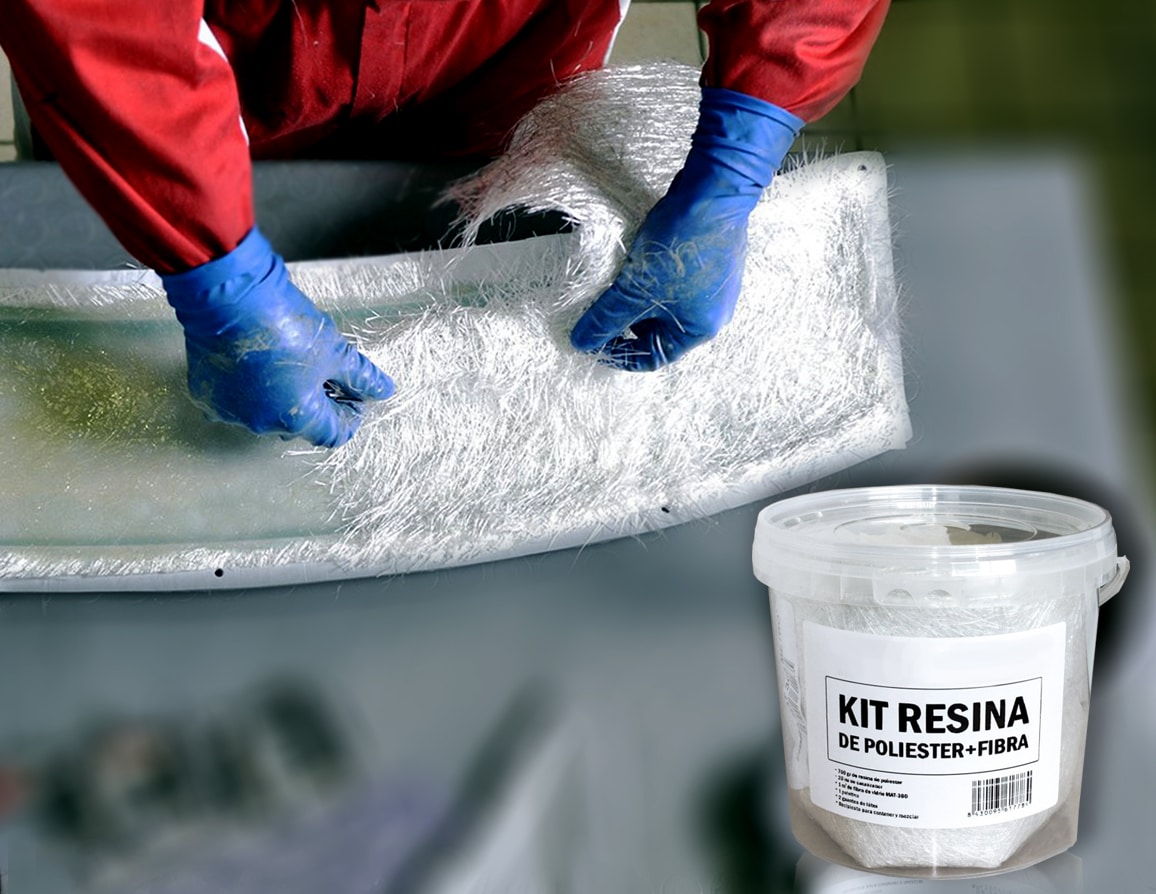
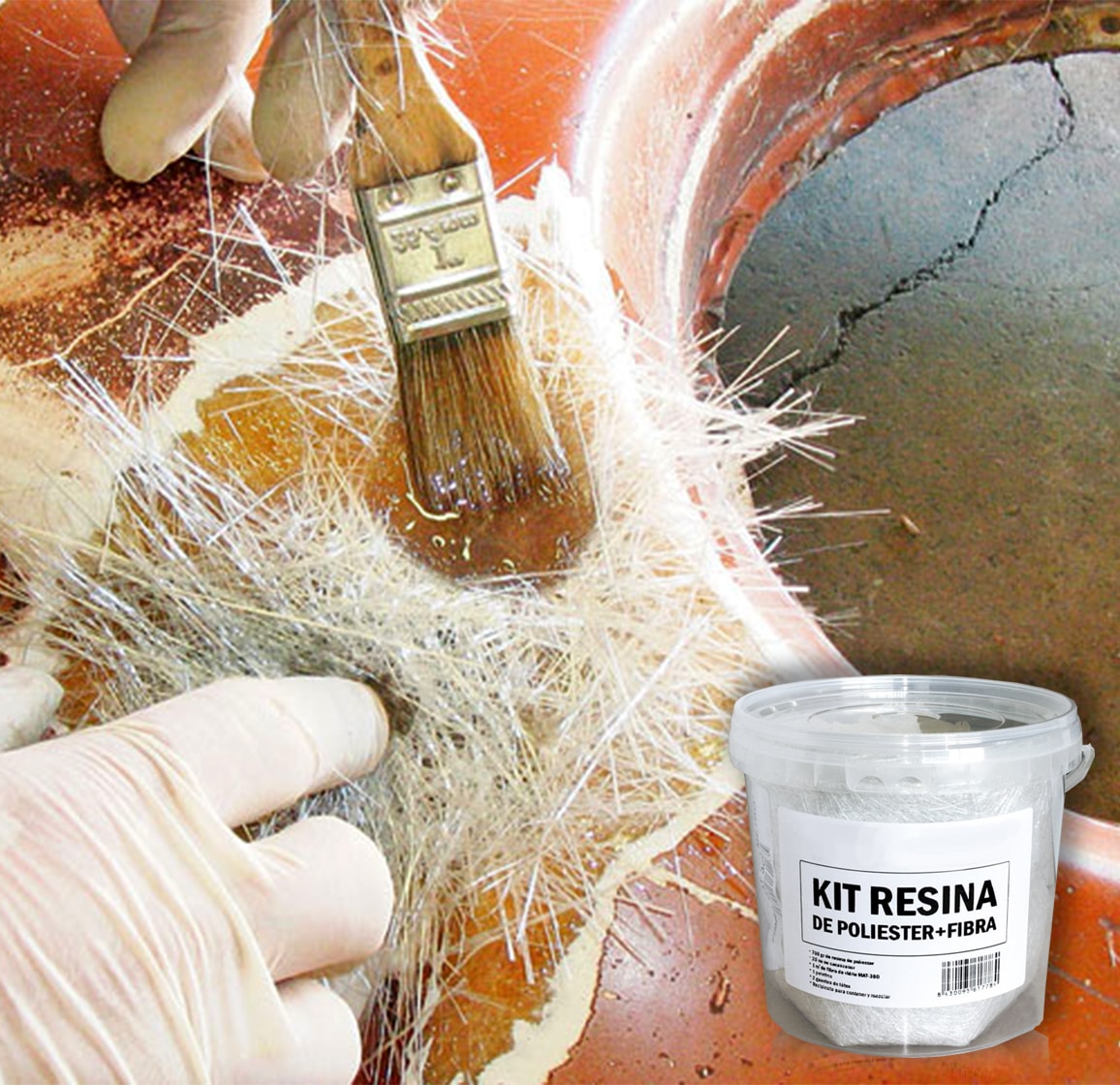
Polyester resin is often selected for fibreglass matting and structural patch repairs. It wets out glass fibre well and cures into a rigid, waterproof layer, though it can be more prone to shrinkage than epoxy. A polyester fibreglass repair kit usually includes resin, hardener and matting, which makes it a practical starting point for roof or panel repairs.
Polyurethane coatings are typically chosen where a surface must resist abrasion, UV and weathering. They can remain slightly flexible, which helps when the substrate moves or expands. Epoxy resins provide a strong adhesive bond and a high-gloss finish, but clear epoxies can benefit from a UV-stable topcoat when exposed to direct sunlight for long periods.
Matching the resin to the job
Use this quick reference when deciding:
- Fibreglass repair or crack bridging: polyester resin with glass mat is a common and cost-effective option.
- Sealing concrete, tile or metal floors: a two-component polyurethane coating offers weather and abrasion resistance.
- Clear finishes, encapsulating objects or table tops: epoxy resin gives a hard, high-clarity surface, typically poured in layers.
If the surface will be walked on or driven over, polyurethane is usually more suitable than a standard casting epoxy because it is formulated for mechanical stress and foot traffic.
When the chemistry choice affects cost and lifespan
Resin selection affects more than the initial purchase price. A polyester patch may be the cheapest way to restore structural strength on a fibreglass roof, but it may need a UV-resistant topcoat or paint if left exposed. A polyurethane coating can reduce the need for repeated resealing on a frequently used surface, while an epoxy clear coat provides a durable finish in areas where appearance and hardness matter more than flexibility.
In an RV roof waterproofing project, the total cost often includes preparation, primer, coating build and time between coats, not just the resin. Matching the chemistry to the surface condition and expected weathering usually leads to a longer-lasting repair.
Related products
Related guides
Once you know whether the job needs structural repair, flexible waterproofing or a clear hard finish, the resin choice becomes much simpler. For a wider look at budgeting and preparation factors, see our guide to RV roof waterproofing costs.