 Free shipping on orders over £29,85
 Shipping Tracking!



 Google
 Facebook
How Long Should I Let Repairs Cure Before Using the Caravan?
← Back to Waterproofing a Caravan with Joints
Quick answer
Caravan repair curing times depend on the product type and working conditions. A fast two-component epoxy can set in around five minutes, while fibreglass putty and polyester resin kits often need several hours before the repair is stable enough for sanding or light handling. Full use of the caravan should wait until the product has reached the working strength described in its instructions, particularly on joints that will face movement or moisture.

Rushing this stage can undo good preparation. The time printed on the container is a starting point for typical conditions, not a guarantee that the repair is ready for every load or movement.
Typical curing times by repair type
The waiting time is not the same across all caravan repair products. Fast-setting adhesives can harden quickly enough for light handling within minutes, but they may still need longer to develop full bond strength. Putties and polyester resin kits usually sit at the slower end of the scale, often requiring several hours before sanding or shaping.
- Fast two-component epoxy: may set in around five minutes, but leave longer before putting real stress on the bond.
- Fibreglass putty: typically needs several hours before it can be sanded or overcoated.
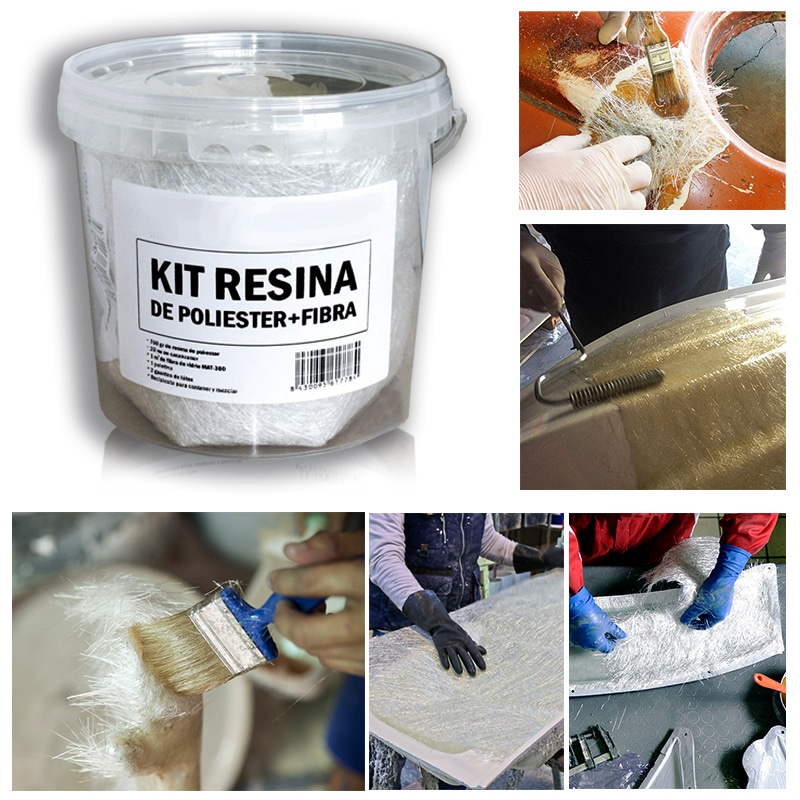
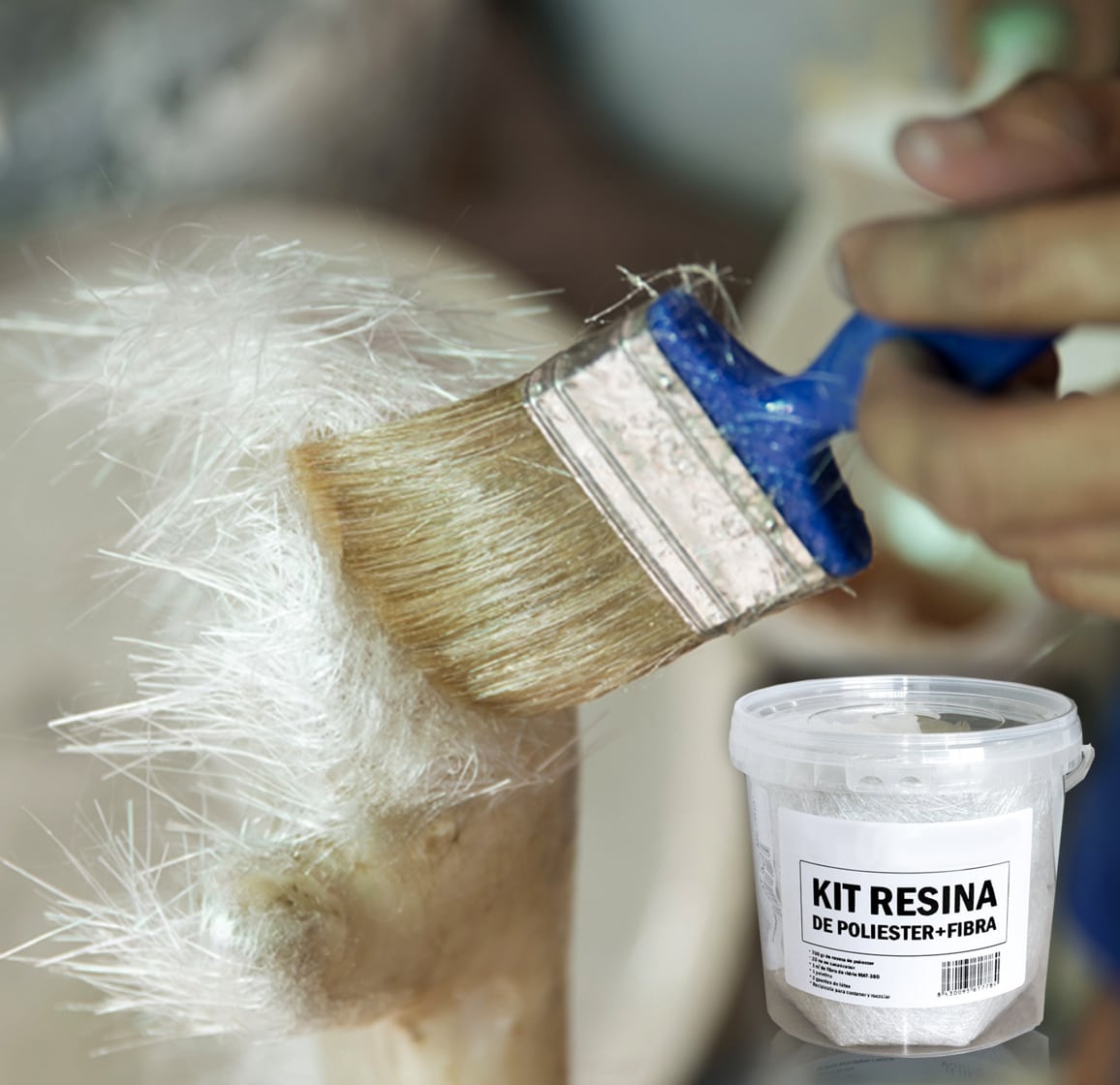
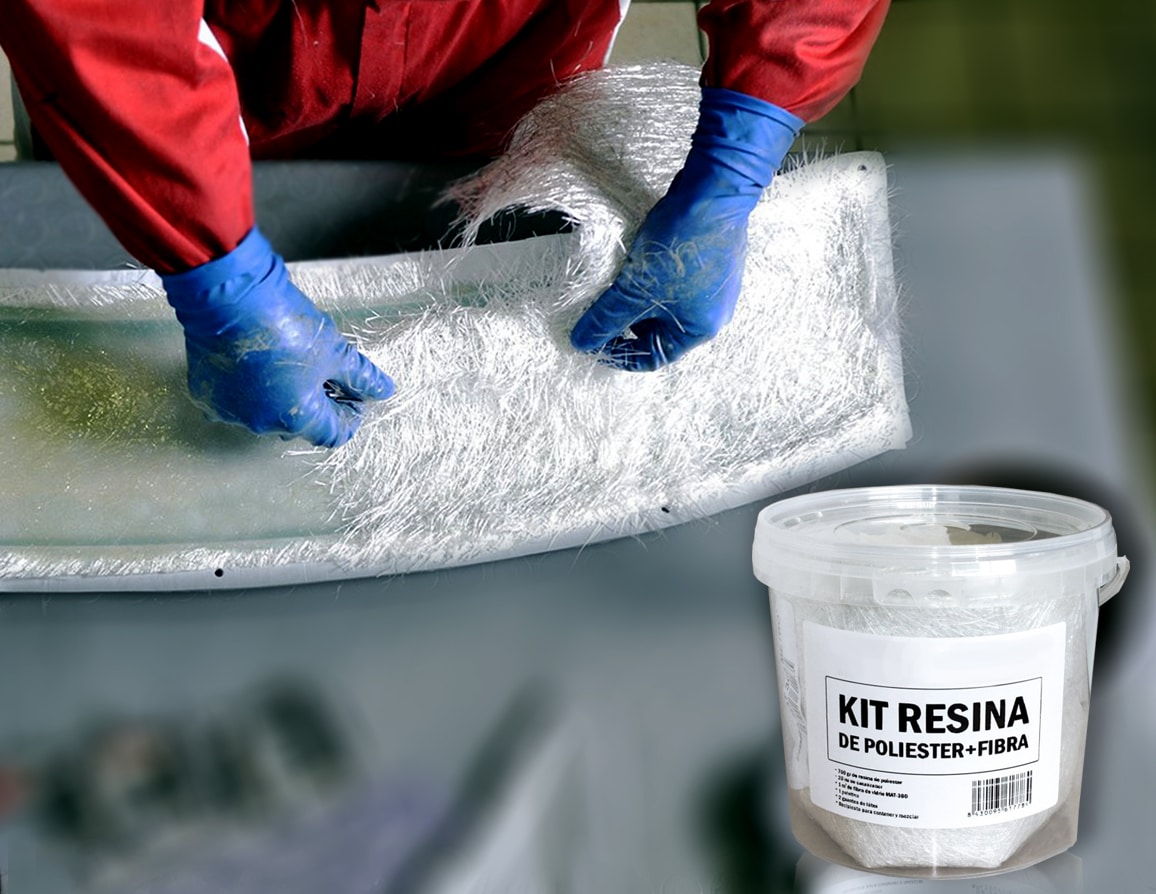
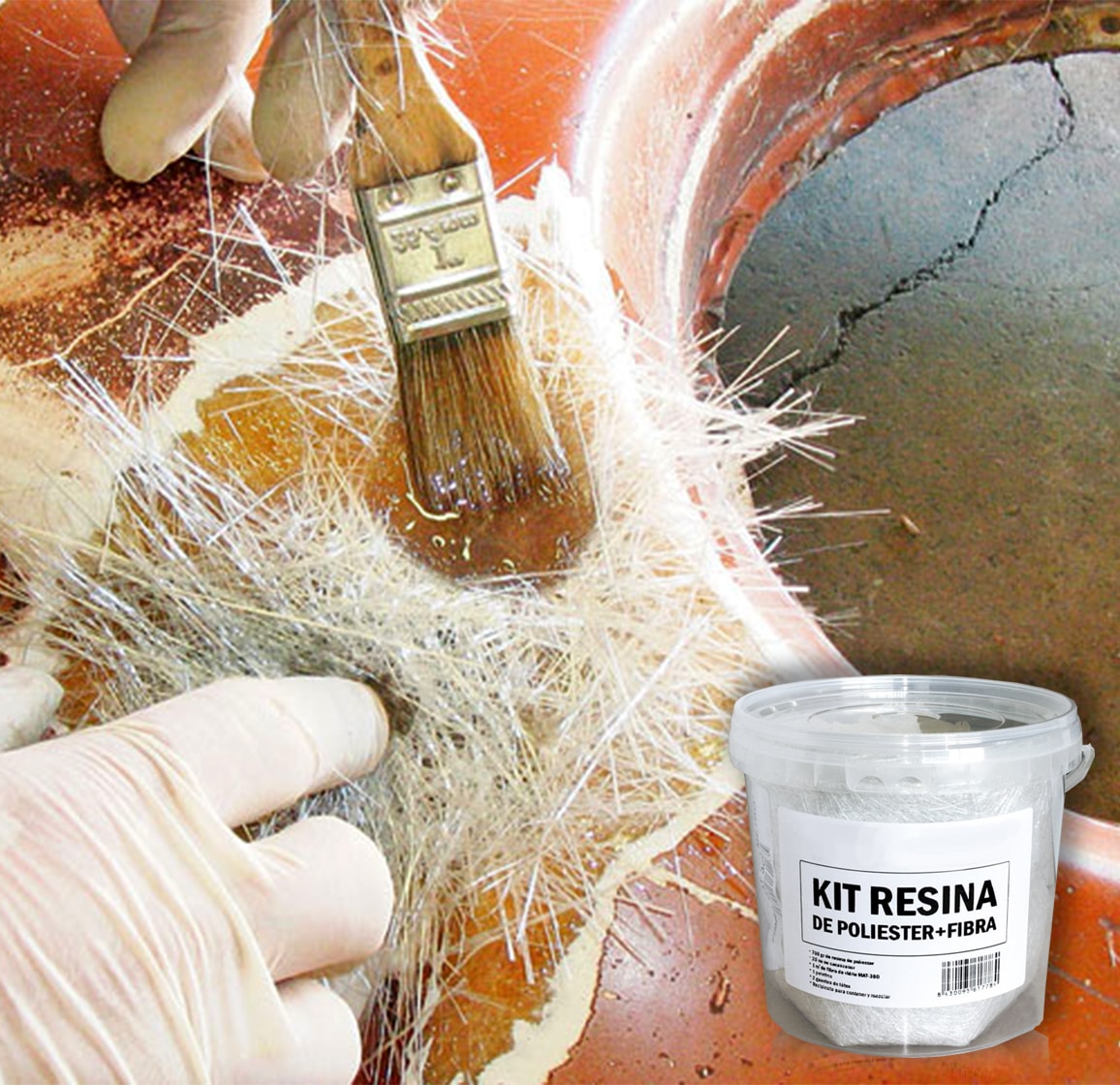
- Polyester resin and fibreglass kit: allow several hours for the laminate to firm up; thicker or cooler sections may take longer.
Conditions that change the clock
Curing is rarely a fixed timer. Cool temperatures, high humidity and thick filler layers can all slow the process, while a warm, dry workspace tends to speed it up. If the caravan is outside or unheated, the safest approach is to assume the repair will need longer than the label suggests.
Check the product instructions for any minimum application temperature. Some epoxy mastics and resin systems are more sensitive to cold conditions, and applying them below the recommended range can affect how well they cure.
When this matters
This matters most on roof seams, corner joints and areas that flex when the caravan is towed. A repair that has only surface-hardened may look finished but can still move or debond once the caravan is back on the road or exposed to rain.
For waterproofing work around joints, waiting for the product to reach its working strength is as important as the preparation and application. If you are unsure, allow more time rather than less.
Related products
Related guides
Correct curing times help the resin, filler or adhesive do its job as part of a wider waterproofing routine. For more guidance on sealing and reinforcing joints, revisit the waterproofing advice for caravan joints and match the product to the joint type and exposure.