 Free shipping on orders over £29,85
 Shipping Tracking!



 Google
 Facebook
How Long Do Waterproofing Kits Take to Cure?
← Back to Waterproofing Kit for Camper 1 kg
Quick answer
Waterproofing kit curing times are determined primarily by resin chemistry and ambient temperature. Polyester systems often become touch-dry and workable within a few hours, while epoxy resins generally need overnight or longer to reach full mechanical strength. Lower temperatures slow the cure, and thicker sections can accelerate it through retained heat. The exact hardener ratio and product formulation also matter. Checking the kit instructions before mixing helps avoid under-cured patches or weak waterproof bonds.

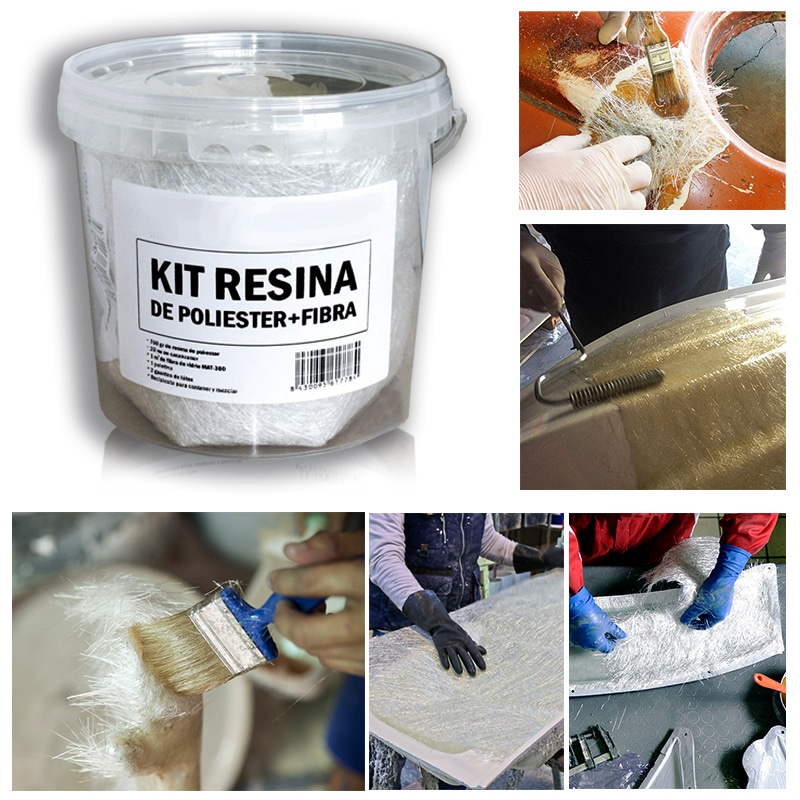
Most camper waterproofing jobs fall into one of two camps: a quick polyester patch that lets you carry on the same day, or an epoxy seal that benefits from a longer wait. Planning around the cure window reduces the chance of disturbing the repair before it has developed enough strength.
Typical cure windows for common waterproofing resins
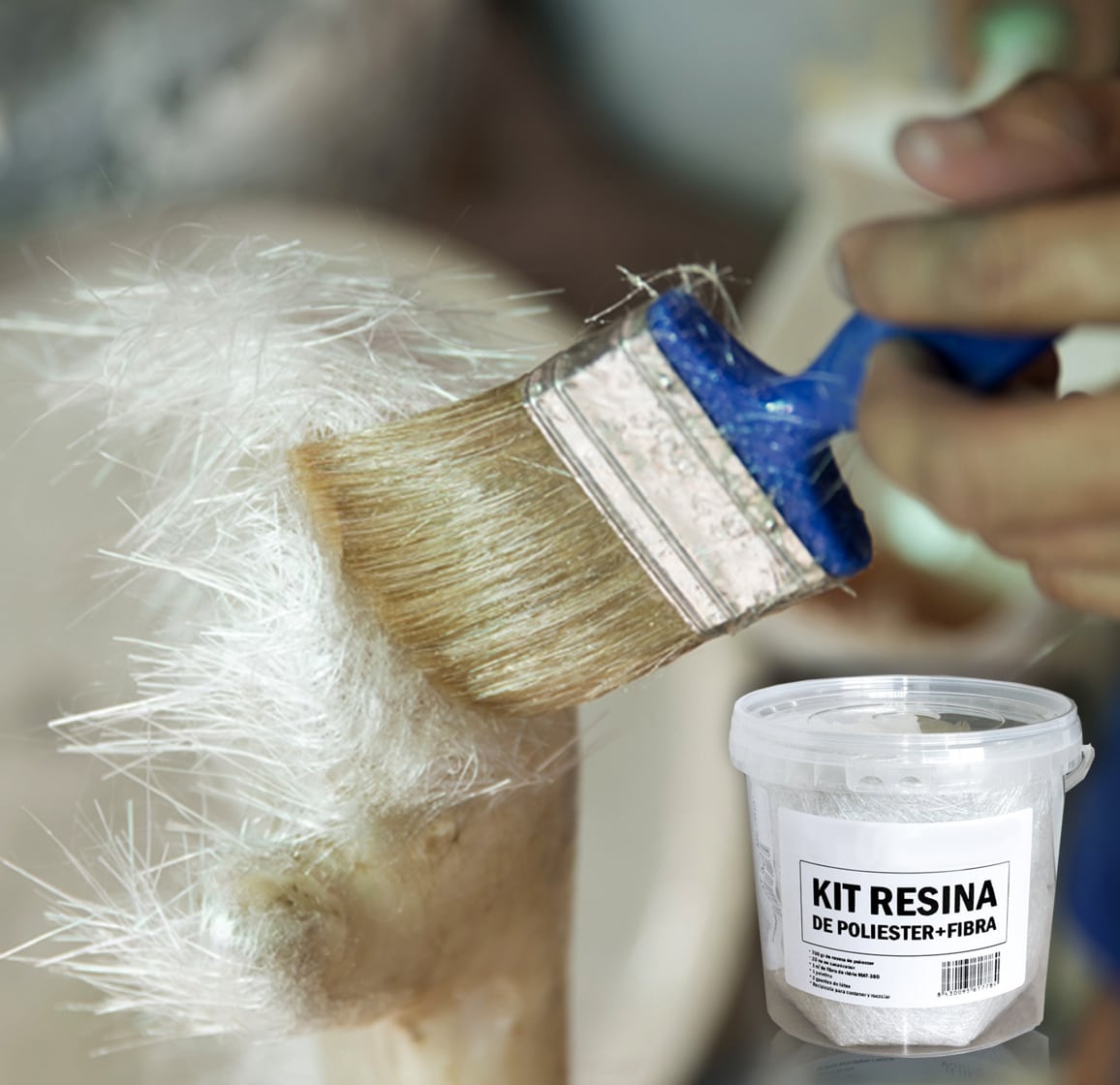
For polyester-based kits, the initial cure often takes a few hours. These systems are commonly chosen for faster fibreglass repairs and can frequently be sanded or overcoated once they have hardened. Epoxy formulations are different: they usually need an overnight cure, and some continue building strength for a day or more after application.
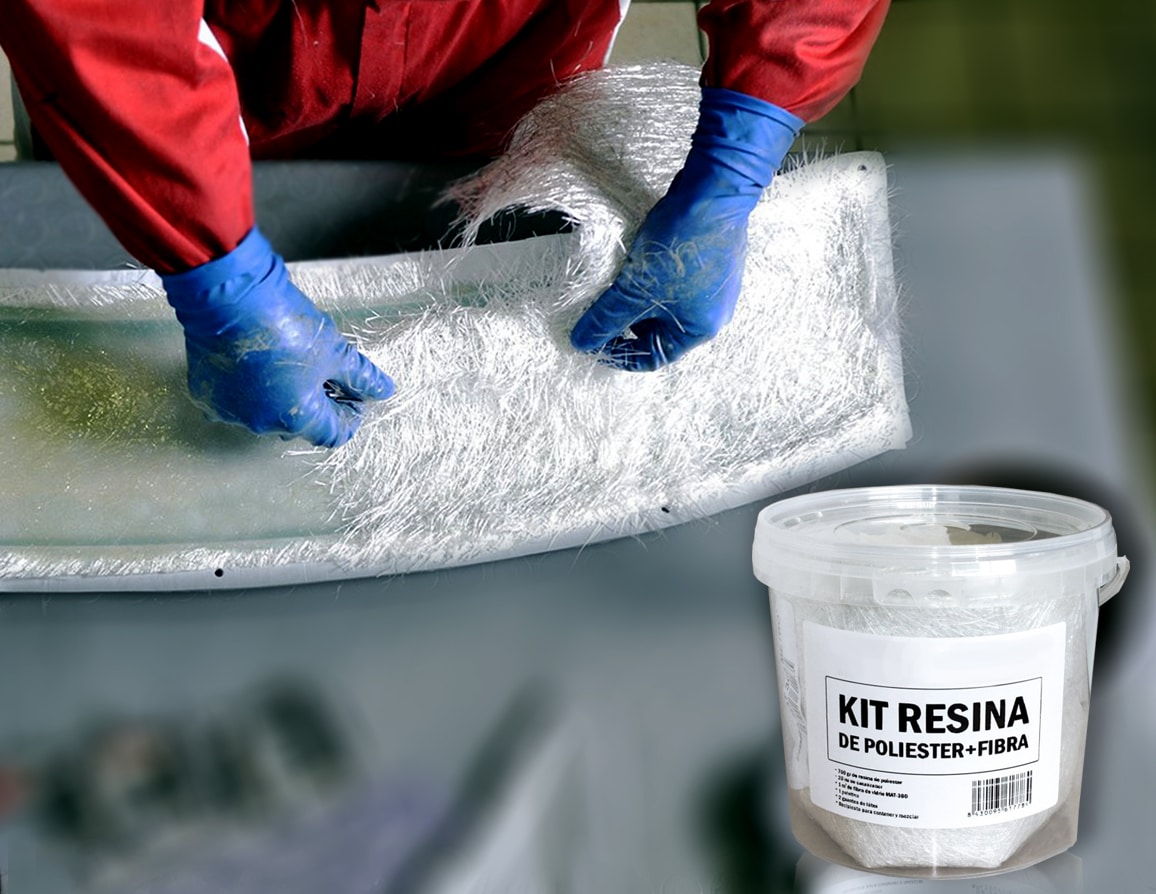
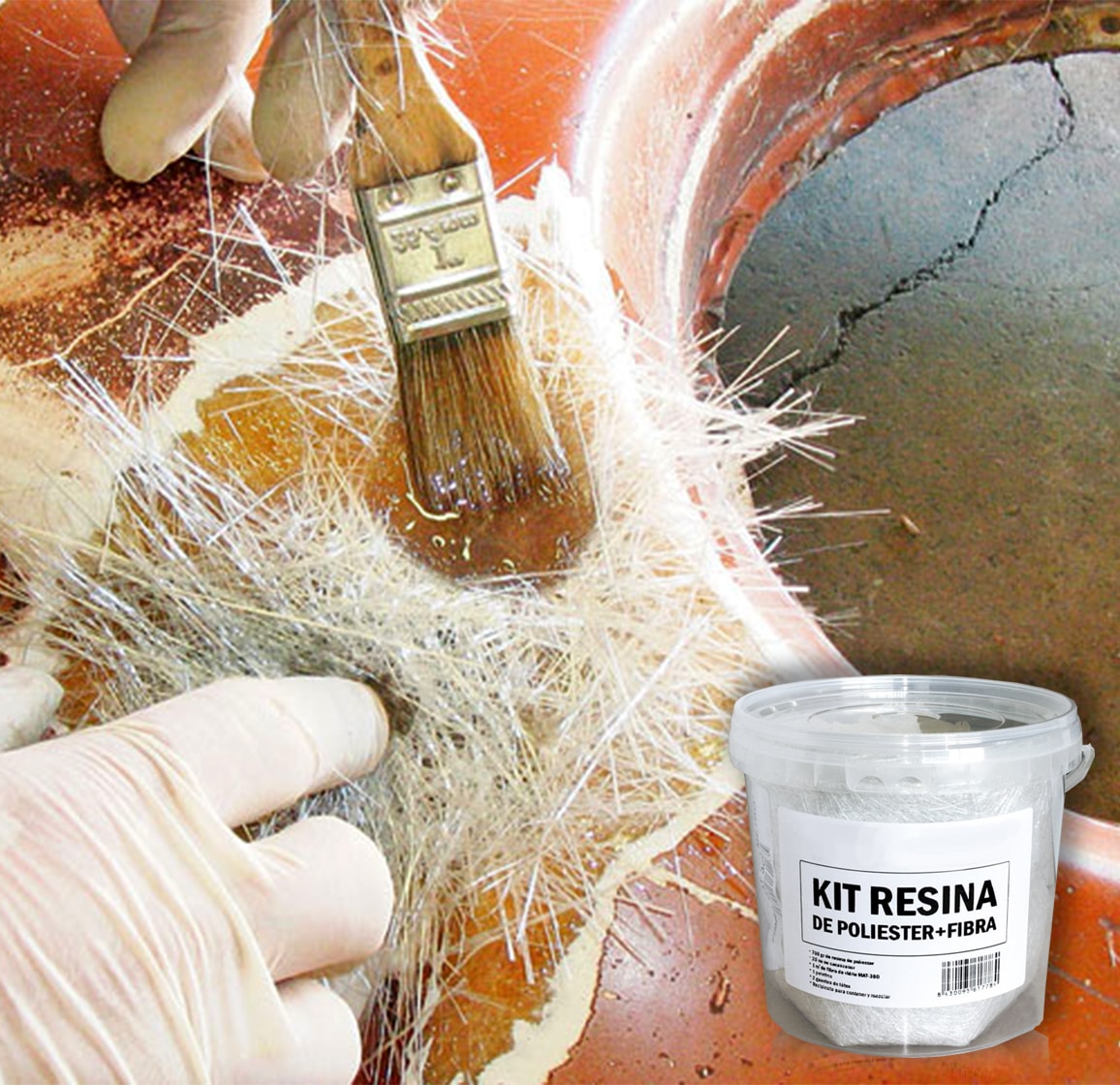
If you are repairing a camper panel with a ready-to-use kit, a polyester option such as the Resin Fibreglass Repair Kit is designed around that quicker working window. For epoxy-based sealing, allow more time before putting the surface back into service.
What changes curing speed
Cure times are not fixed. Several practical factors influence how quickly a waterproofing kit reaches a workable or full-strength state:
- Temperature: Cooler conditions slow the reaction, while gentle warmth can speed it up. Avoid applying in very cold or damp environments.
- Mixing accuracy: Incorrect resin-to-hardener ratios are a common cause of sticky or weak spots. Measure carefully according to the kit.
- Layer thickness: Thicker sections can generate more heat and cure faster, but very thick pours may also trap bubbles or distort.
- Airflow and humidity: Good ventilation supports consistent curing, though high humidity can affect some epoxy systems.
When this matters for camper waterproofing
Cure time matters most when you are working outdoors, sealing a roof, or repairing a surface that will be exposed to rain or movement. A polyester patch that is only surface-hard may not yet have full waterproof integrity, so avoid stressing the area until the recommended window has passed. Epoxy repairs need even more patience before they reach full strength.
If you are sealing a wooden section, choose a product intended for that substrate and allow longer for deep penetration to stabilise. The right wait time is part of the waterproofing process, not an optional extra.
Related products
Related guides
Once you know whether your waterproofing kit is polyester or epoxy, planning the cure time becomes straightforward. For camper repairs, match the resin to the surface and weather conditions, then leave the repair undisturbed for the full recommended window. This helps create a durable, watertight finish that lasts beyond the first rain shower.