 Free shipping on orders over £29,85
 Shipping Tracking!



 Google
 Facebook
Deep Penetration Wood Waterproofing and Restoration
← Back to Multi-material waterproofing agent
Quick answer
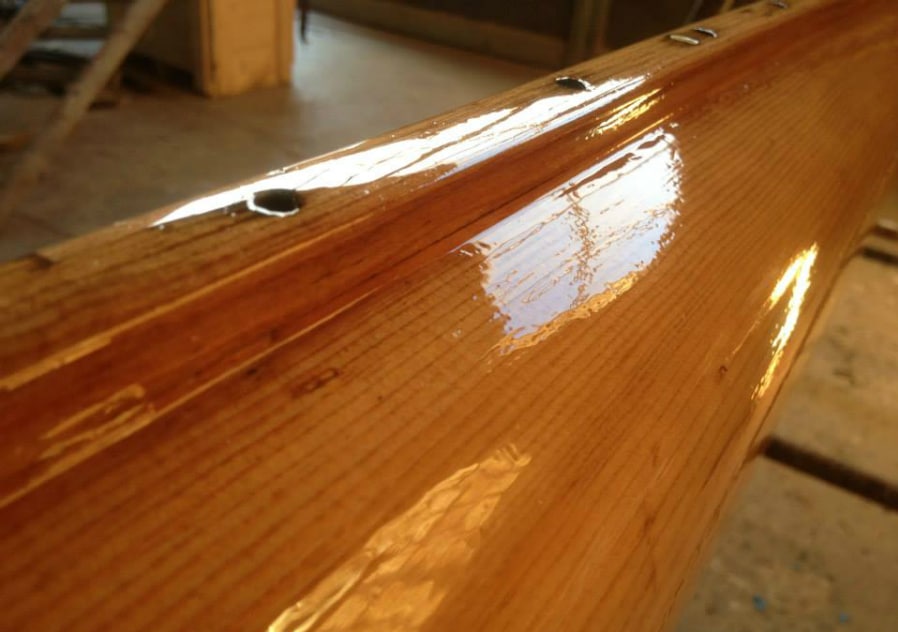
Deep-penetration wood restoration is a treatment method where a low-viscosity epoxy resin is absorbed into the pores of dry timber. Once cured, the resin reinforces the wood from within and forms a waterproof surface that helps protect against moisture ingress. This approach is commonly used on furniture, boat hulls and exterior wooden elements where surface-only coatings would sit on top rather than stabilising the material. The result is a stronger, sealed timber with the natural grain still visible.
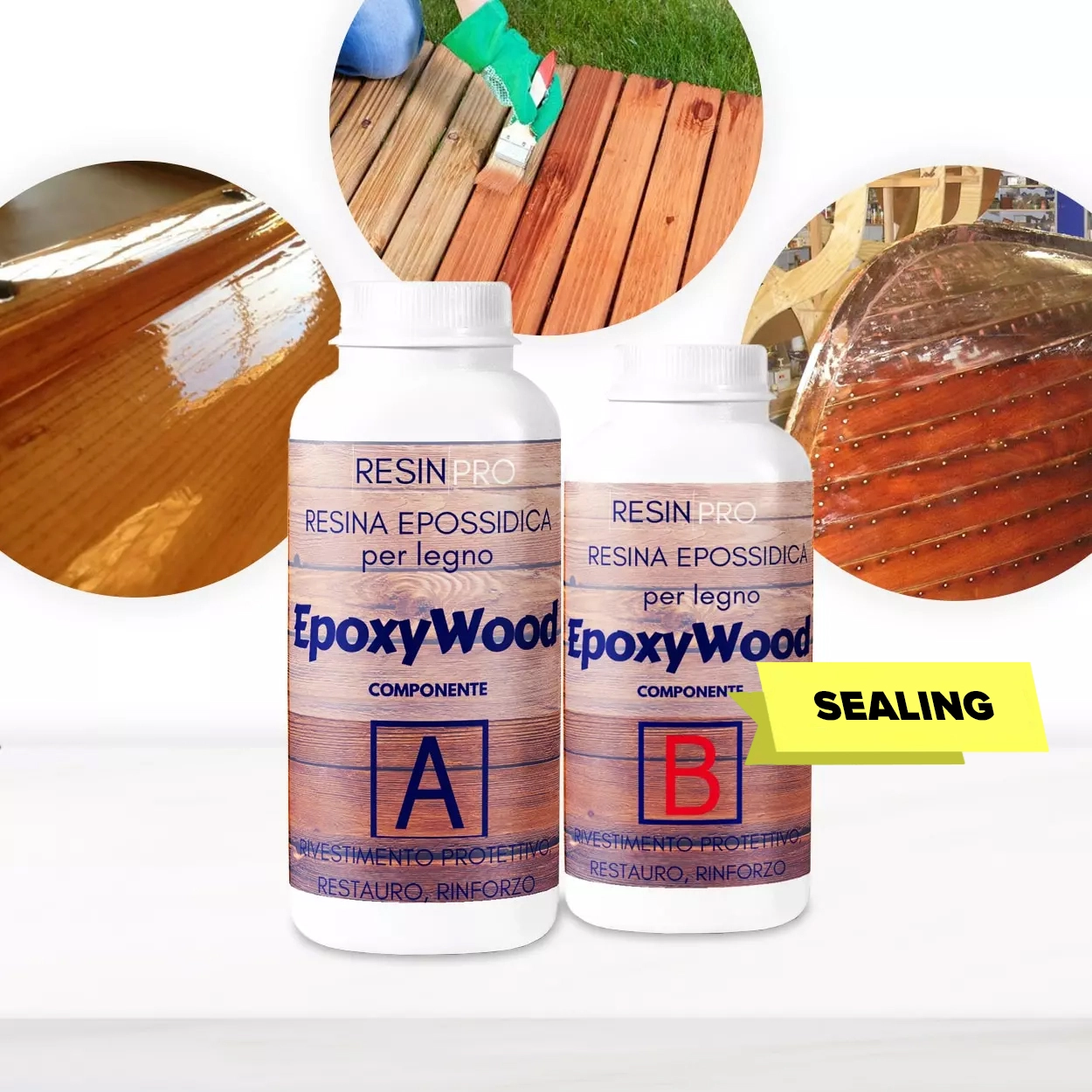
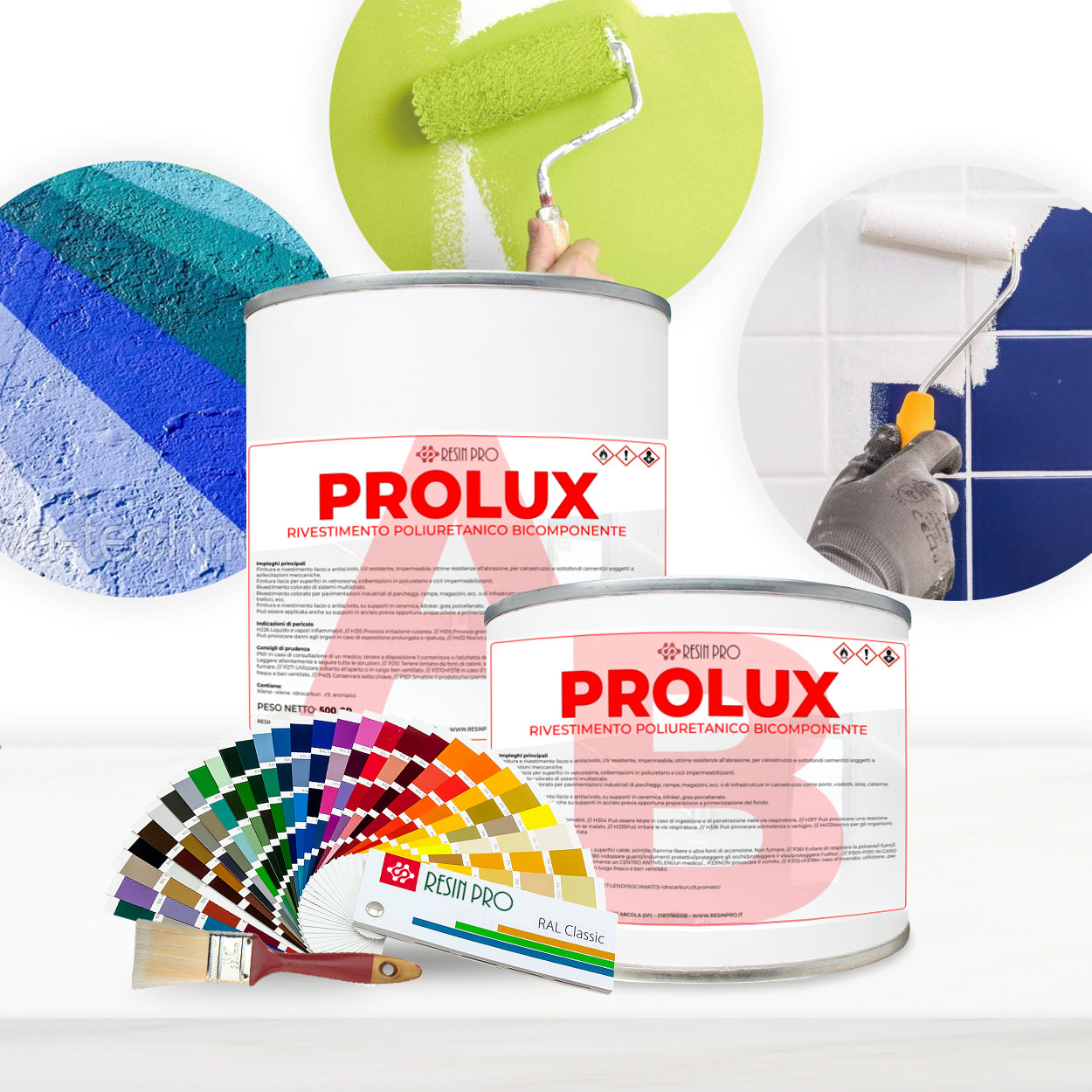
Rather than simply covering the surface, the resin travels into the timber structure itself. That can make a noticeable difference on older or weathered wood that has become porous or slightly soft. For the best bond, the wood should be dry and sanded before application, as noted in the product guidance.
How deep penetration works
A low-viscosity epoxy is designed to flow into fine openings and capillaries within the wood. As it cures, it binds loose fibres and hardens the surrounding structure. This helps reduce the movement of moisture into the timber and creates a stable base for long-term waterproofing.
The EpoxyWood wood restoration resin follows this principle: it is formulated for dry, sanded wood and leaves a warm straw-yellow tint that accentuates the grain rather than hiding it.
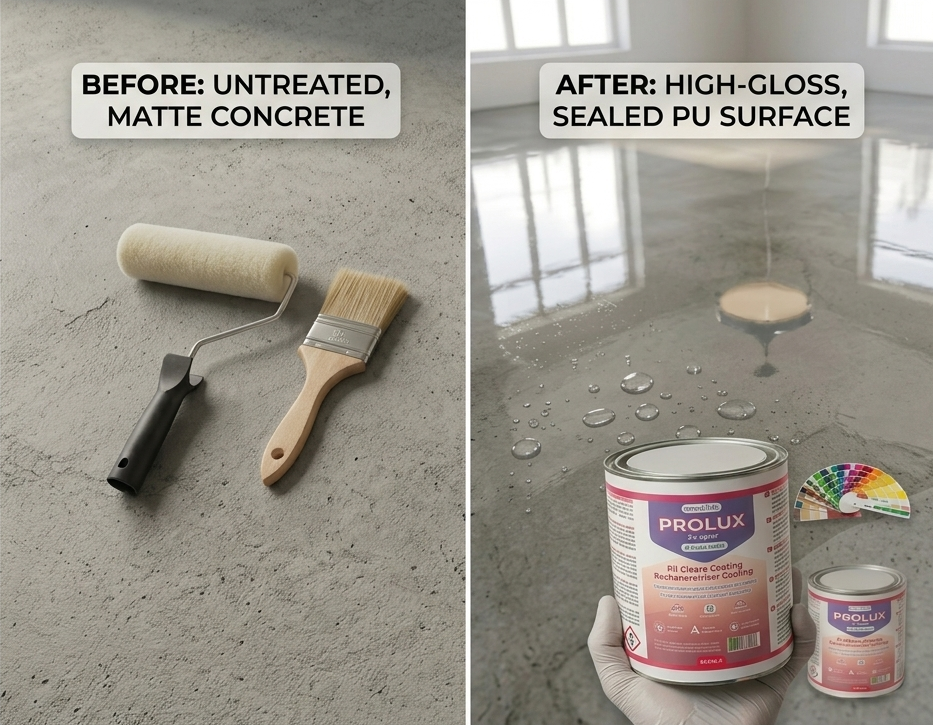
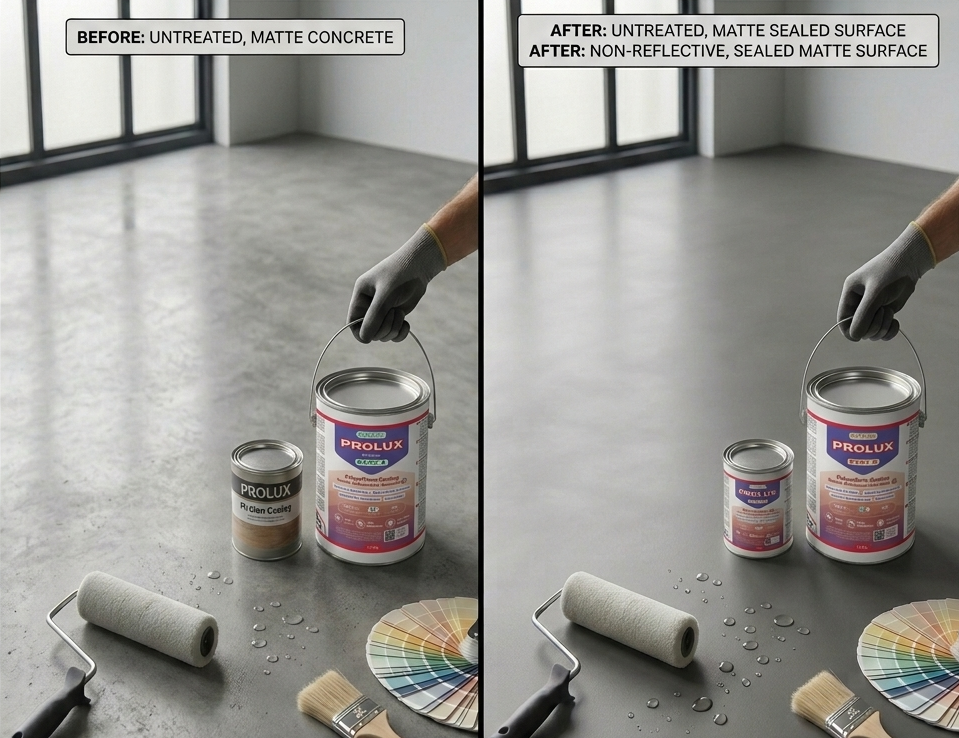
When deep penetration matters most
Deep-penetration waterproofing is especially useful for wood that is exposed to damp conditions or repetitive moisture contact. Common examples include:
- Wooden furniture that has become porous or weathered
- Boat hulls and marine timber where moisture resistance is important
- Exterior wood that needs reinforcement before painting or finishing
It is less suited to thick resin casting or surfaces that have not been properly dried and prepared.
Practical buying and preparation notes
When selecting a deep-penetration wood resin, look for a low-viscosity formula that is solvent-free and suitable for the specific timber you are treating. The surface should be dry and sanded to allow the resin to enter the grain rather than sitting on top.
Condition and porosity will affect how the resin behaves, so check the product information before buying. For more damaged areas, take time to ensure the resin saturates fully rather than relying on a single surface pass.
Related products
Related guides
Wood is only one part of a wider waterproofing picture. Where a project involves concrete, metal, tile or fibreglass as well as timber, a multi-material waterproofing agent approach can help you compare products designed for different surfaces without losing performance on the areas that need it most.