 Free shipping on orders over £29,85
 Shipping Tracking!



 Google
 Facebook
Deep Waterproofing for Wood Restoration
← Back to Ready-to-use waterproofing sealant
Quick answer
Deep waterproofing for wood restoration is a treatment method in which a low-viscosity resin is applied to dry, sanded timber so it can soak into the pores, harden, and create a waterproof internal structure. This approach is used on external wood, furniture and boat hulls where surface-only sealers may not reach the full depth of damage. It helps consolidate soft or weathered fibres while preserving the natural appearance of the grain.
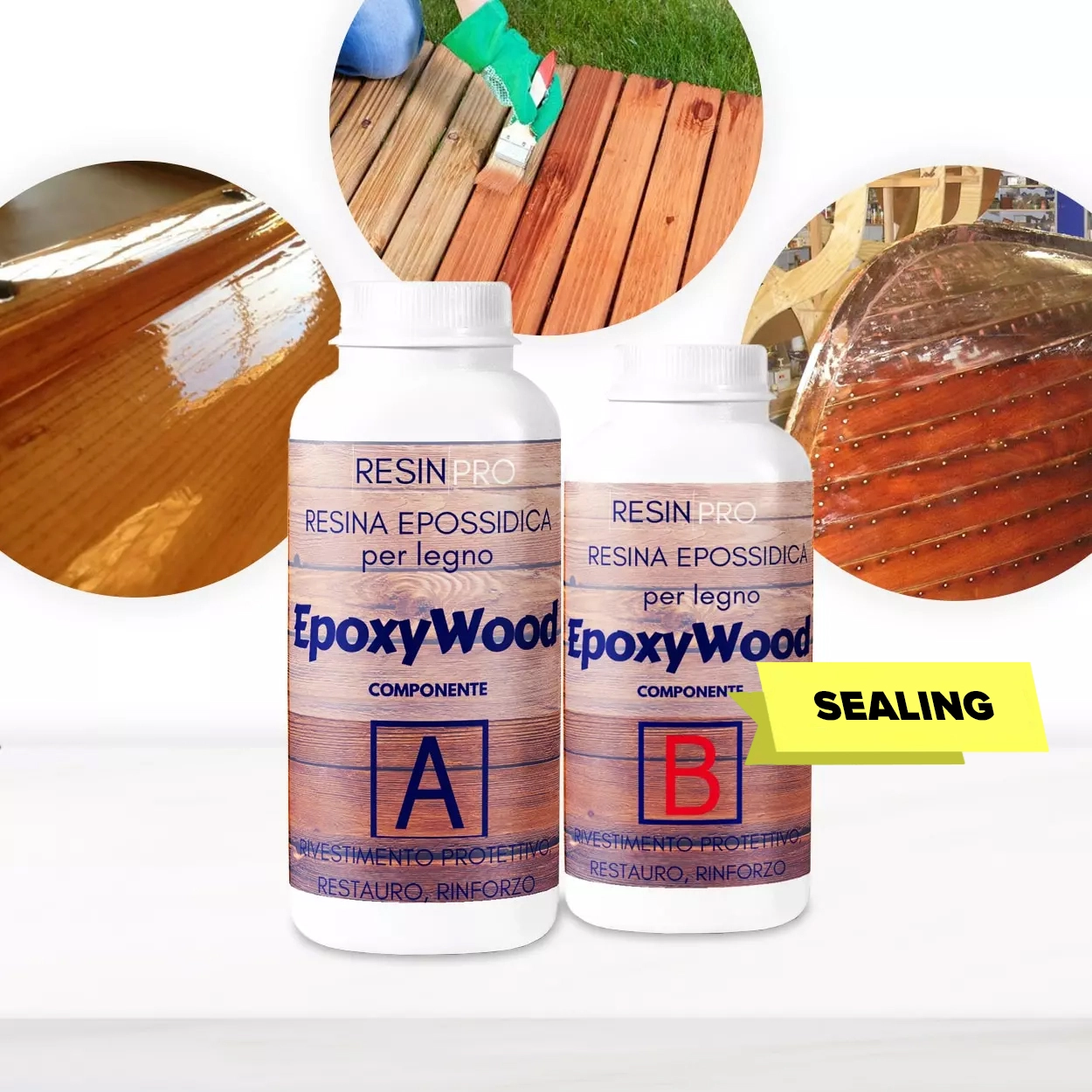
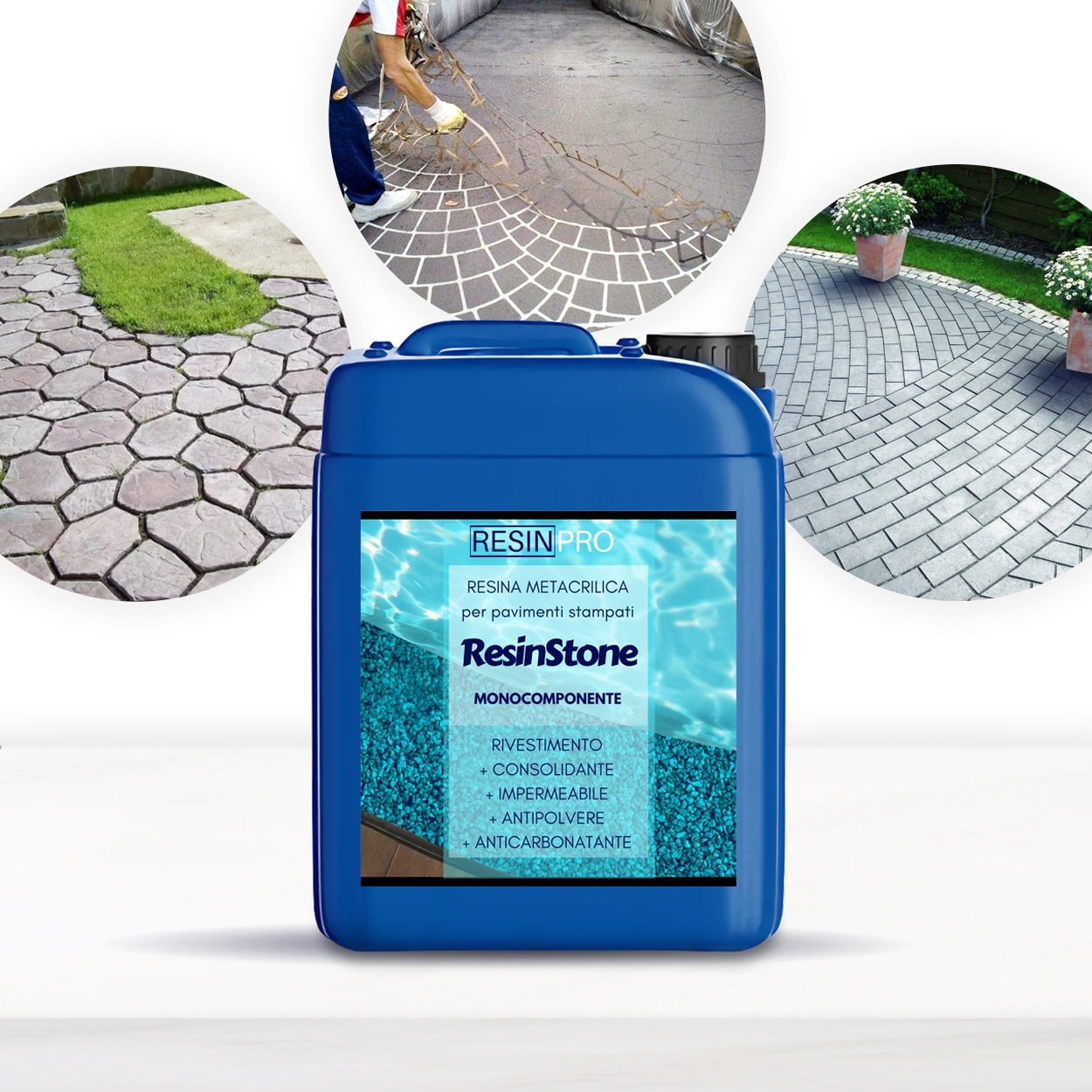
Many restoration failures come from sealing only the visible surface while moisture continues to move through the wood behind it. Working with a resin that can travel deeper into the timber is often the more practical route for weathered boards, window sills and boat timber.
Why deep penetration matters
Not all wood treatments behave in the same way. A thick film can sit on top of the timber, whereas a low-viscosity resin is designed to be absorbed into the pores before it hardens. EpoxyWood wood restoration resin uses that approach, with an ultra-low viscosity intended for deep penetration and waterproofing of dry wooden surfaces.
As the resin cures, it works within the wood rather than only forming a skin over it. This can help reinforce weakened areas and provide more consistent protection on end grain, joints and weathered patches.

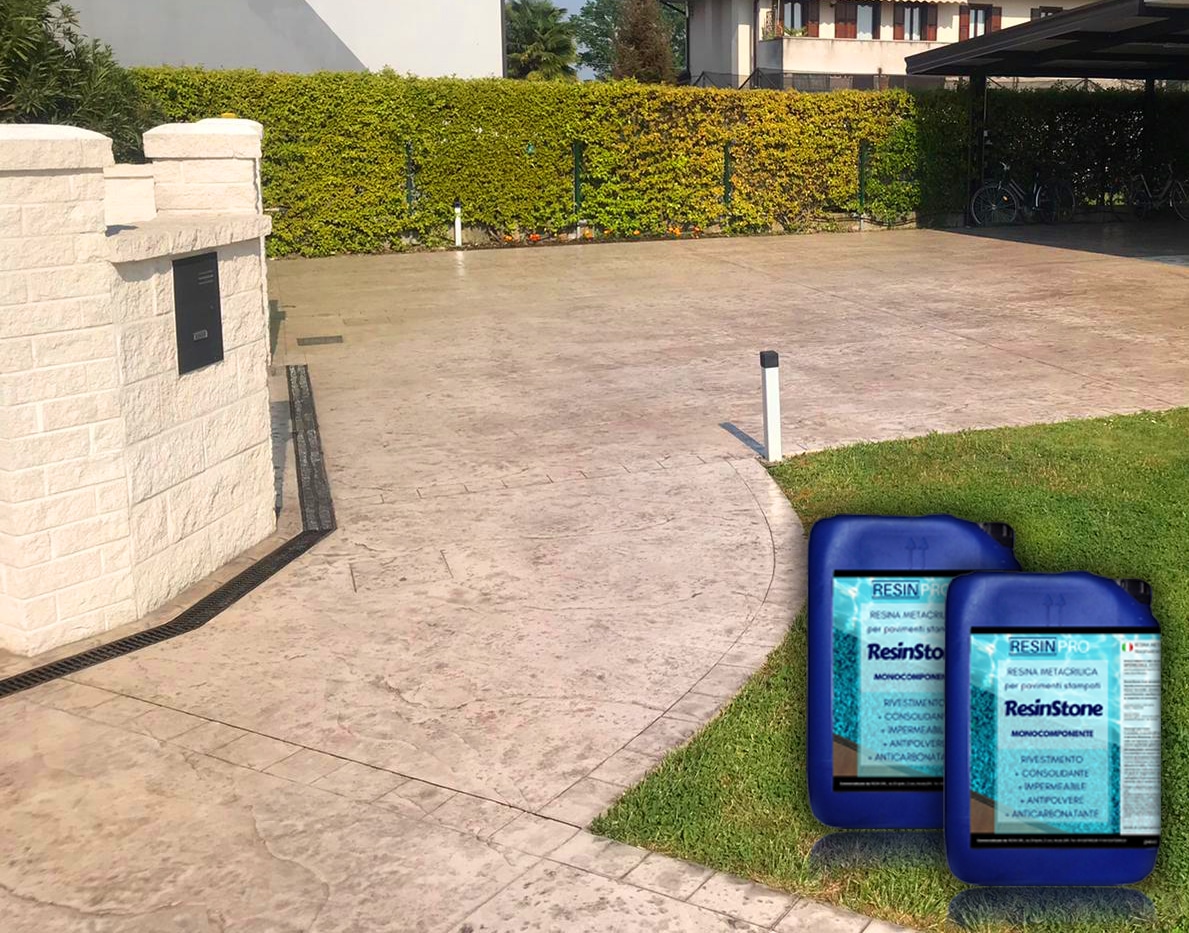
Preparing timber for resin application
Preparation has a direct effect on how well a deep-penetrating resin can bond. The wood should be clean, dry and sanded before application, and any loose or flaking material should be removed.
- Let the timber dry thoroughly after rain or cleaning.
- Sand back weathered fibres to expose a sound surface.
- Remove dust and debris from cracks and joints.
- Apply in thin passes so the resin can absorb rather than pool.
When deep waterproofing matters
Deep waterproofing is most useful where wood is exposed to repeated moisture, but cannot be completely replaced. Typical examples include external joinery, boat hulls, garden furniture and structural timber that has become soft at the surface.
If the damage is limited to surface weathering, a penetrating resin may consolidate the wood and reduce the need for more aggressive repairs. It is not a casting product, so the goal is absorption and reinforcement rather than building a thick layer.
Related products
Related guides
Deep waterproofing works best when the right resin is matched to the timber condition. For other substrates, the ready-to-use waterproofing sealant range covers concrete, tiles and more, so you can choose a system that suits the surface being protected.